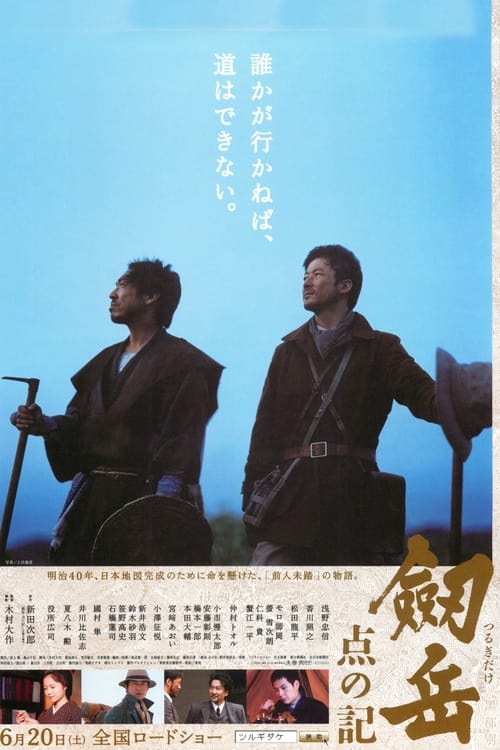
The Summit: A Chronicle Of Stones to Serenity
2009
No user ratings available yet
Representation score: 3.4 out of 10
Representation Score
Limited
2014
Director
Daisaku Kimura
Runtime
116 minutes
Average Rating
No ratings yetNew Showbiz Analysis
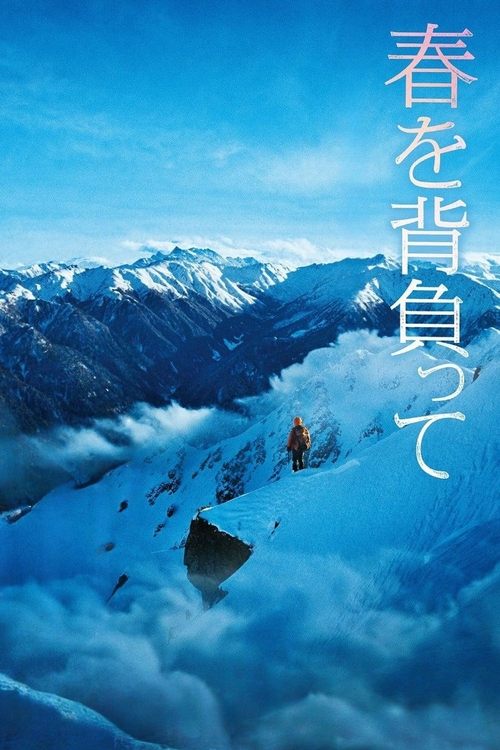
Climbing to Spring is a traditional character study centered on personal growth and family legacy. The narrative follows a conventional path of individual development within established societal structures rather than challenging them. The film emphasizes the preservation of generational continuity. By focusing on a son following in his father's footsteps, the story leans into traditional roles and archetypes. While the film provides emotional resonance through its themes of duty and identity, it lacks intentional sociopolitical subversion or diverse representation.
Category Breakdown
The story centers on a traditional father-son relationship, with no representation of non-binary genders or critiques of heterosexuality.
The narrative reinforces traditional masculine roles through themes of work and family legacy. It focuses on a male-dominated lineage and the protagonist's journey with his father.
Set in the Japanese countryside, the film portrays a culturally uniform environment. It stays true to the specific demographics of its location.
The film highlights traditional values such as lineage and respect for nature. It prioritizes the continuation of traditions over disrupting social institutions.
There is no depiction of characters dealing with visible or invisible disabilities in the story.
Present on Screen
Limited or Absent
Official Synopsis
Toru grew up in alpine countryside around Mount Tate. As a child, he resented the yearly trek up the mountain with his father to prepare their mountain hut for the summer season of climbers. When Toru grows up, he leaves his hometown and enters the working world as a stock trader. One day, Toru receives word that his father has passed away. He returns to Mount Tate once again, and becomes conscious of a new calling. But, does Toru have what it takes to follow in his father’s footsteps?
2009
2014

2017

2015
2011

2013
2007

2010
No reviews yet. Be the first to share your thoughts on this movie!
Use the rating form above to leave a star rating and optional review.