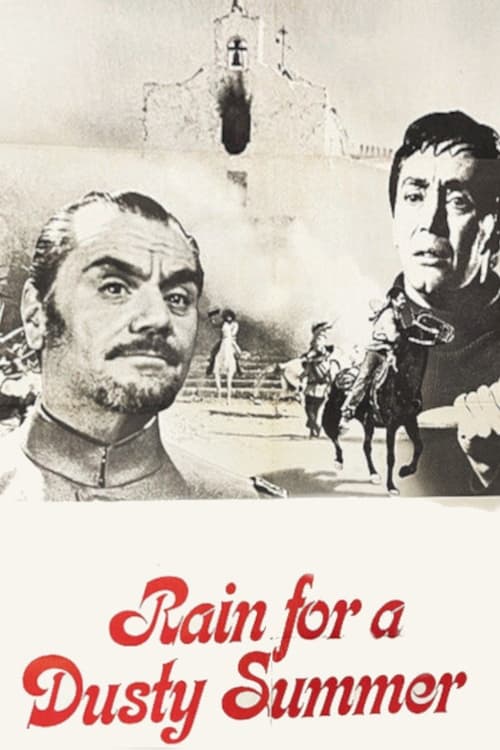
Rain for a Dusty Summer
1971
No user ratings available yet
Representation score: 1.0 out of 10

Representation Score
Minimal
1947
NRDirector
John Ford
Runtime
100 minutes
Average Rating
No ratings yetNew Showbiz Analysis
John Ford’s drama adheres to classical narrative structures typical of its era. The film highlights the tension between an individual and the state, using a traditional dramatic arc of mistaken identity. While the setting provides a specific historical context, the film does not challenge established social hierarchies or mid-century norms. Instead, it upholds conventional expectations about gender, race, and institutional authority.
Category Breakdown
The film follows strict mid-century standards and does not include LGBTQ+ identities or same-sex relationships.
Women in the film mainly serve as emotional support, reinforcing traditional gender roles of the 1940s.
Set in Mexico, the film uses the local population as a backdrop without exploring their ability to act.
The plot focuses on religious persecution in Tabasco, emphasizing individual innocence over institutional critique.
The film does not feature any characters with visible or invisible disabilities.
Present on Screen
Limited or Absent
Official Synopsis
Anti-Catholic and anti-cleric policies in the Mexican state of Tabasco lead the revolutionary government to persecute the state's last remaining priest.
1971
1959
2021

1964
1948

1952
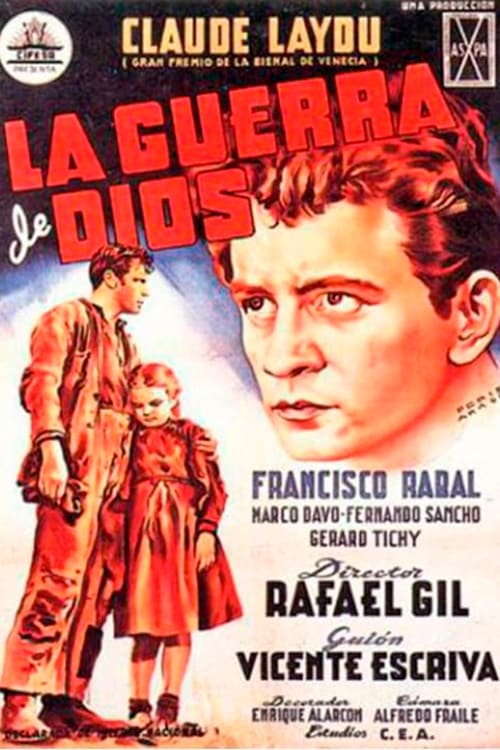
1953
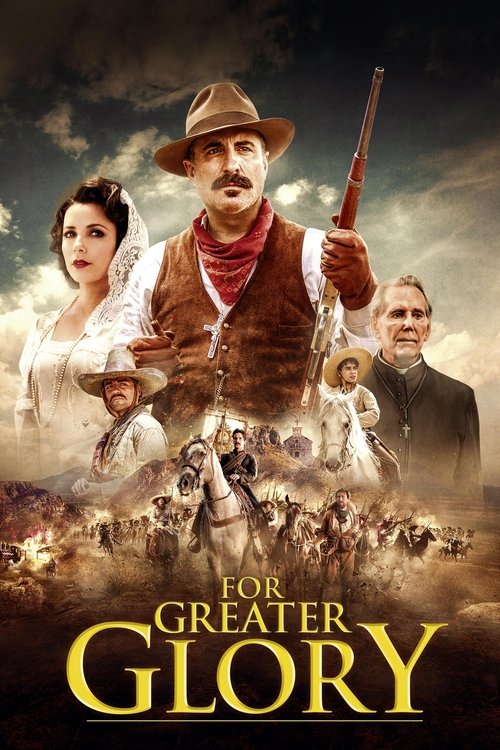
2012
No reviews yet. Be the first to share your thoughts on this movie!
Use the rating form above to leave a star rating and optional review.