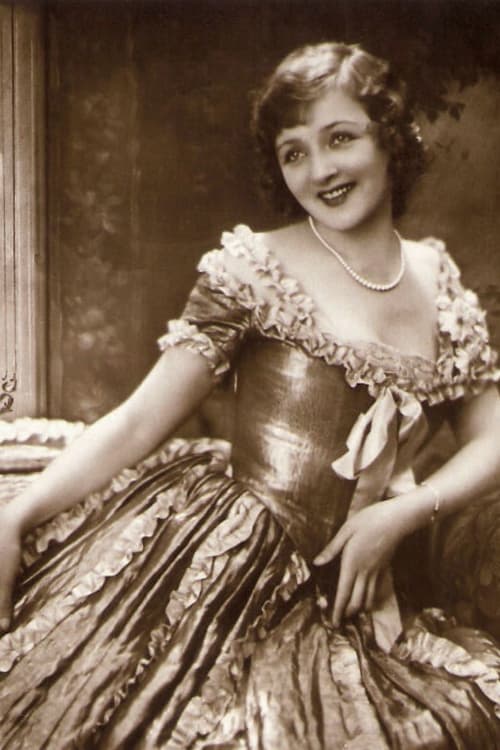
Die lachende Grille
1926
No user ratings available yet
Representation score: 4.1 out of 10
No Poster Available
Representation Score
Minimal
1927
PassedDirector
Nat Ross
Runtime
20 minutes
Average Rating
No ratings yetNew Showbiz Analysis
Fighting Spirit is a traditional silent comedy from the 1920s that prioritizes escapism and reinforces social norms of the time. The narrative structure relies on established genre clichés, such as romantic courtship and slapstick humor, which support the social hierarchies of the era. Because the film follows the standardized casting and storytelling practices of the early 20th century, it lacks depth in reflecting multiple aspects of diversity. Instead, it serves as a historical snapshot of Western-centric social archetypes.
Category Breakdown
The film lacks evidence of non-straight-centered identities. The narrative likely follows traditional courtship structures typical of the era's romance clichés.
Female characters likely function as romantic objects or ingenues rather than active plot drivers. The film appears to reinforce conventional 1920s gender hierarchies.
The production likely reflects the homogeneous casting standards of the 1927 American film industry. There is no evidence of a non-white majority cast.
The story focuses on lighthearted, escapist entertainment and social cohesion. It aligns with the era's emphasis on reinforcing existing social norms.
There is no available information regarding the inclusion or portrayal of characters with physical or neurodivergent disabilities.
Present on Screen
Limited or Absent
Official Synopsis
Episode 6 of The Collegians silent film series (consisting of 46 chapters) full of high jinks and romance!
1926
1927
1929
1927
1919
1965
1926
1932
No reviews yet. Be the first to share your thoughts on this movie!
Use the rating form above to leave a star rating and optional review.