
Max Sets the Style
1914
No user ratings available yet
Diversity score: 2.8 out of 10

1934
Director
Charles Barrois
Runtime
24 minutes
Average Rating
No ratings yetSynopsis
A tall, shy and reserved young actor accidentally signs himself up for a wrestling match.
Overall Score
Limited
Category Breakdown
LGBTQ+ Representation
The film lacks any evidence of non-cisnormative identities or same-sex intimacy. The narrative follows traditional archetypes common to 1930s slapstick comedy.
Gender Representation
The story centers on a male protagonist navigating a physical wrestling environment. While female cast members are present, there is no indication of subverted gender hierarchies.
Racial & Ethnic Diversity
This localized French production reflects the homogeneous demographic norms of early 20th-century European cinema. No diverse ethnic identities are documented in the cast.
Religious & Cultural Diversity
The themes focus on situational farce rather than social critique. The narrative reinforces social stability through standard accidental conflict tropes.
Disability Representation
There is no information available regarding the portrayal of physical or neurodivergent disabilities in this film.
Strengths
Areas for Improvement
AI Analysis
Brute Wanted is a product of its era, functioning as a traditional period comedy. It relies heavily on established 1930s genre tropes, focusing on physical farce and situational mishaps rather than social commentary. The film lacks intentionality regarding intersectional representation. The narrative architecture adheres to the heteronormative and homogeneous demographic norms typical of early French sound-era cinema. Ultimately, the work serves as a standard example of early 20th-century entertainment, offering little disruption to conventional social hierarchies or diverse perspectives.
1914
1936
1917

1923

1929
1914
1919
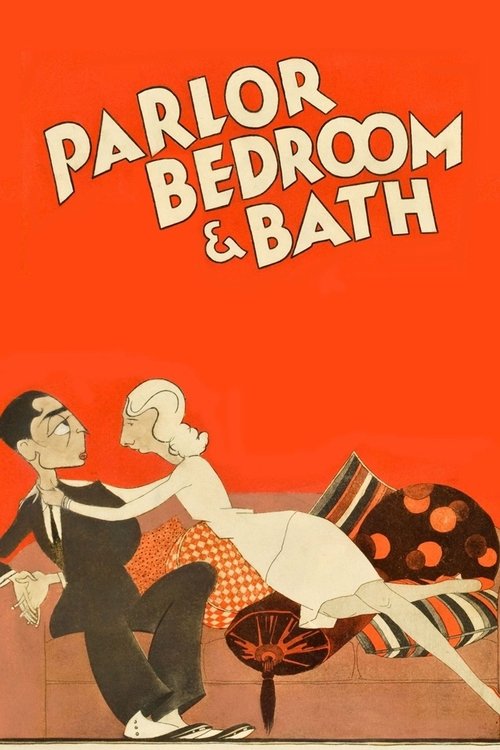
1931

1952
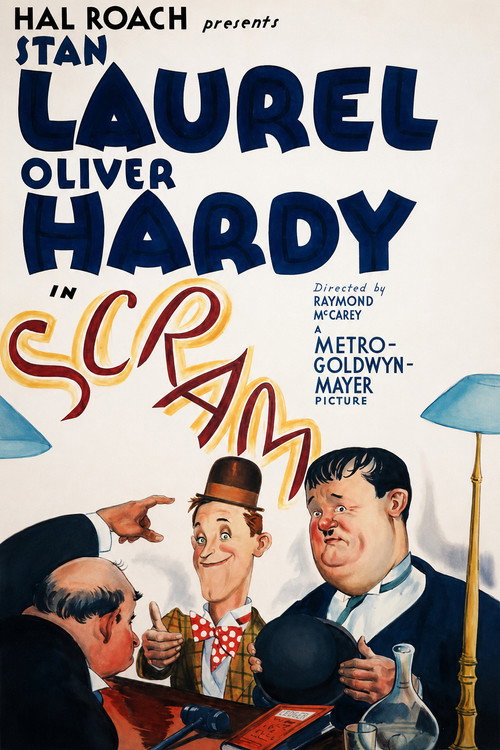
1932
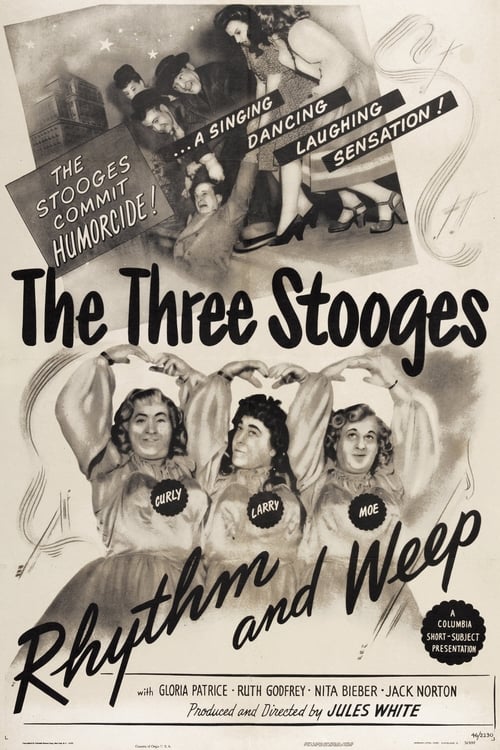
1946
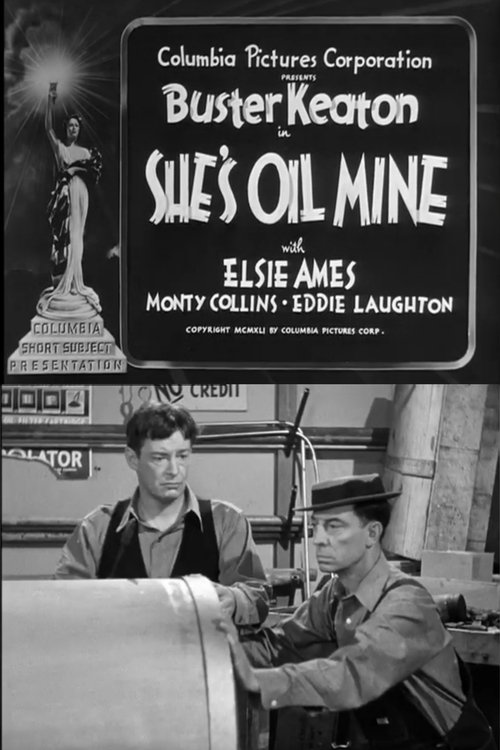
1941
No reviews yet. Be the first to share your thoughts on this movie!
Use the rating form above to leave a star rating and optional review.