Moscow Does Not Believe in Tears
1980
No user ratings available yet
Representation score: 3.4 out of 10
Representation Score
Limited
2000
Director
Ulf Malmros
Runtime
92 minutes
Average Rating
No ratings yetNew Showbiz Analysis
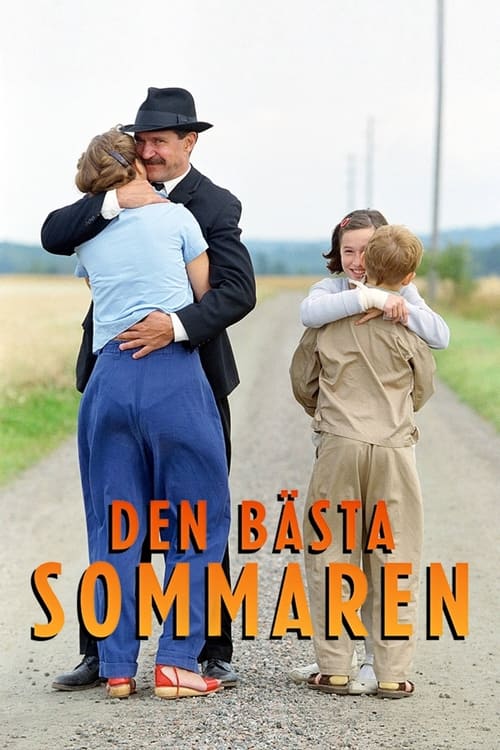
A Summer Tale is a character-driven period drama emphasizing emotional realism and the universal experiences of adolescence. It succeeds in offering depth through non-conformist characters like Annika, who defies traditional feminine stereotypes. However, the film remains anchored in the social norms of mid-century Sweden. It lacks complexity in addressing multiple aspects of identity and does not actively challenge traditional power structures or assumptions about heterosexuality. Ultimately, the narrative serves as a localized exploration of human connections. It centers on individual growth within a homogeneous environment without providing broader social critiques.
Category Breakdown
The story focuses on heterosexual relationships, particularly Yngve's interest in Cecilia Nilsson. It does not include narratives involving LGBTQ+ identities or critiques of heterosexuality.
Annika presents a moderate challenge to gender stereotypes as a tough, complex girl facing significant struggles. However, the central romantic storyline adheres to traditional patterns.
Set in mid-1950s Sweden, the film portrays a predominantly homogeneous society. There is no indication of diverse casting that challenges the era's demographics.
The film examines family and community through a traditional humanist perspective. It emphasizes personal development within established social structures without questioning them.
There is no information about the portrayal of physical or neurodivergent disabilities in this work.
Present on Screen
Limited or Absent
Official Synopsis
The summer of '58, the year Sweden almost won the world championship in soccer over Brazil, Yngve Johansson accepts two children to live with him during the summer, as told through the eyes of a young boy. His name is Mårten, and the other child's name is Annika. She is a rough girl, with many problems. The three of them do not get along, and Yngve is a true dictator to the children's eyes. However, when the children discover that their new guardian has a crush on their teacher (Cecilia Nilsson), they do what they can to bring the two together. Soon enough, the three will discover that they have a lot more in common than they previously imagined, and together they can make their lives worth living again. This is a sweet story about life in Sweden in the mid 1900's. It is about family, love, hate, innocent friendship that we all can relate to, and much, much more...
1980

1970

2024

2002

2010
1978

2000

1998
No reviews yet. Be the first to share your thoughts on this movie!
Use the rating form above to leave a star rating and optional review.