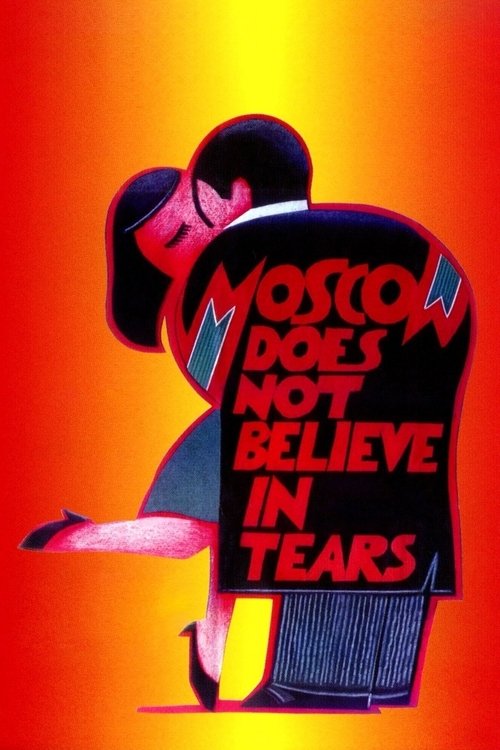
Moscow Does Not Believe in Tears
1980
No user ratings available yet
Representation score: 3.4 out of 10

Representation Score
Limited
1992
Director
Pyotr Todorovskiy
Runtime
104 minutes
Average Rating
No ratings yetNew Showbiz Analysis
Pyotr Todorovskiy’s film is a psychologically dense character study that emphasizes internal reality over social diversity. It effectively critiques the social hypocrisy and emotional repression of the Soviet era. However, the film adheres to traditional romantic clichés and maintains a male-centric viewpoint, limiting the roles of female characters and the exploration of diverse identities. The demographic focus is narrow, reflecting the historical homogeneity of the Soviet-era setting. While the psychological depth is notable, the film lacks broad representation and challenges to traditional social structures.
Category Breakdown
The film focuses on a traditional romantic relationship between a man and a woman, without exploring non-straight or non-cisgender identities.
The narrative centers around the male protagonist's psyche. The female lead's role is largely defined by the male protagonist's perspective rather than her own journey.
Set in a Soviet-era garrison, the film reflects the homogeneous demographics of that time period. There is no indication of intentional racial diversity or broad representation.
The story critiques the cruelty and hypocrisy of the late 1940s and early 1950s. It uses a stifling institutional environment to challenge the idea of a stable social order.
The protagonist experiences significant psychological instability and obsessive behavior. These traits drive the genre but are not explored in depth as disabilities.
Present on Screen
Limited or Absent
Official Synopsis
A drama set at the end of the Forties and the beginning of the Fifties. In a distant garrison town, life proceeds at a measured past. The officers drink and debauch, while the soldiers serve. Meanwhile accidentally unleashed human emotions are suffocated by the atmosphere of cruelty and hypocrisy.
1980

1939

2010

2021
1981
1975
1980
1967
No reviews yet. Be the first to share your thoughts on this movie!
Use the rating form above to leave a star rating and optional review.