
Trace of Stones
1966
No user ratings available yet
Representation score: 4.1 out of 10
Representation Score
Limited
1955
Director
Andrey Frolov
Runtime
86 minutes
Average Rating
No ratings yetNew Showbiz Analysis
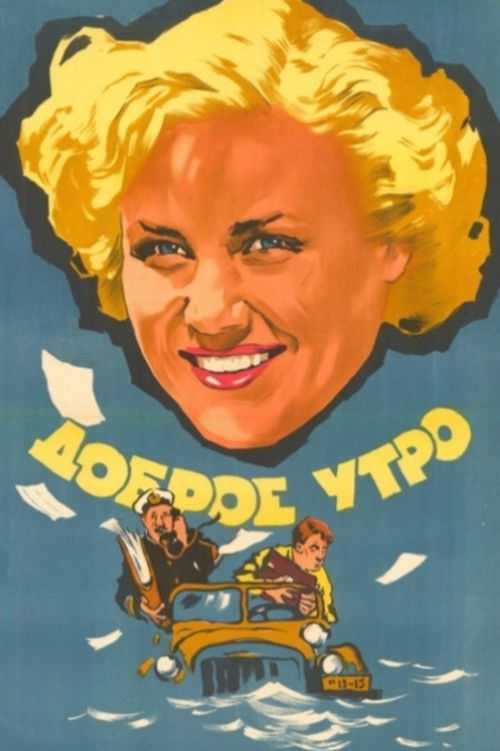
Good Morning is a product of mid-1950s Socialist Realism, emphasizing collective fulfillment over individualism. While it slightly subverts traditional gender roles by placing a female character in an industrial setting, the emotional core remains a conventional romantic storyline. The film effectively portrays social cohesion through labor, reflecting the era's emphasis on communal success. However, it lacks the demographic diversity and multi-layered complexity expected in contemporary cinema. Ultimately, Good Morning serves as a historical snapshot of Soviet values, highlighting the warmth of the worker collective while maintaining narrow demographic and social boundaries.
Category Breakdown
The film focuses on a traditional heterosexual relationship between Katya and Vasya. There is no indication of queer subtext or non-cisgender identities.
Katya's role in heavy construction work challenges traditional feminine roles. However, the main conflict revolves around a conventional courtship.
The film likely features a homogeneous Slavic cast typical of the 1950s Soviet era. There is no evidence of multi-ethnic or diverse representation.
The story highlights collectivist values and communal success. The workplace serves as a supportive social unit that prioritizes teamwork over individual pursuits.
The narrative does not include characters dealing with physical or neurodivergent disabilities.
Present on Screen
Limited or Absent
Official Synopsis
A quiet and shy girl Katya is assigned to the construction of a highway. The young workers accept the young trainee very warmly and help her in everything. In time Katya falls in love with one of them - the foremost excavator worker Vasya Plotnikov. He is a very cheerful, cheerful guy, the soul of the company and the favorite of all the girls. However, Vasya is preoccupied exclusively with his own person, revels in fame and success, paying no attention at all to the modest Katya.
1966

1962

2010
1980

2015
1975

1960

1983
No reviews yet. Be the first to share your thoughts on this movie!
Use the rating form above to leave a star rating and optional review.