
I Am Cuba
1964
No user ratings available yet
Representation score: 7.4 out of 10
Representation Score
Limited
1958
Director
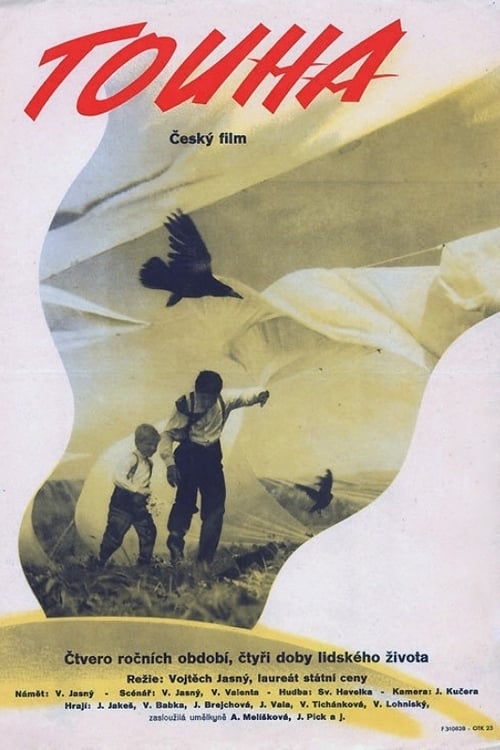
Vojtěch Jasný
Runtime
91 minutes
Average Rating
No ratings yetNew Showbiz Analysis
Desire is a cyclical exploration of the human lifecycle that excels in psychological realism. By focusing on female experiences—from first love to the struggles of motherhood and matriarchy—the film avoids a purely male-centric perspective. However, the film is limited by its historical context, presenting a very homogeneous demographic. It lacks representation for LGBTQ+ identities and racial or ethnic diversity, focusing instead on a specific Czech provincial reality. Ultimately, the film's value lies in its nuanced portrayal of women's ability to drive the story and the tension between personal desires and systemic social pressures.
Category Breakdown
The film focuses on traditional family and romantic relationships, with no indication of non-straight or non-cisgender identities or stories.
The story centers on female experiences, from a young woman's first love to a matriarch's death. A peasant woman's struggle against farming cooperatives highlights her strong role in the narrative.
The cast is mainly Czech, reflecting the country's specific history and geography. The film maintains a homogeneous demographic without diverse racial or ethnic backgrounds.
The film examines the conflict between individuals and collective systems, such as agricultural cooperatives. It emphasizes personal emotional truth rather than a single moral framework.
There is no evidence of physical or neurodivergent disabilities being portrayed in the film.
Present on Screen
Limited or Absent
Official Synopsis
A poignant overview of how short life can be, this interesting drama from Czech director Vojetch Jasny is divided into four separate segments. In the first skit, a young child's impressions are observed as his newborn baby sister becomes a part of the family. In the second, a young woman falls in love for the first time one summer, and in the third, a tough, older peasant woman battles against the farming cooperatives. Finally, in the last segment, everything comes full circle as a woman who is about to become a grandmother dies while her daughter-in-law has not yet given birth.
1964

1952
1977
1960
1957
1980

1976
1980
No reviews yet. Be the first to share your thoughts on this movie!
Use the rating form above to leave a star rating and optional review.