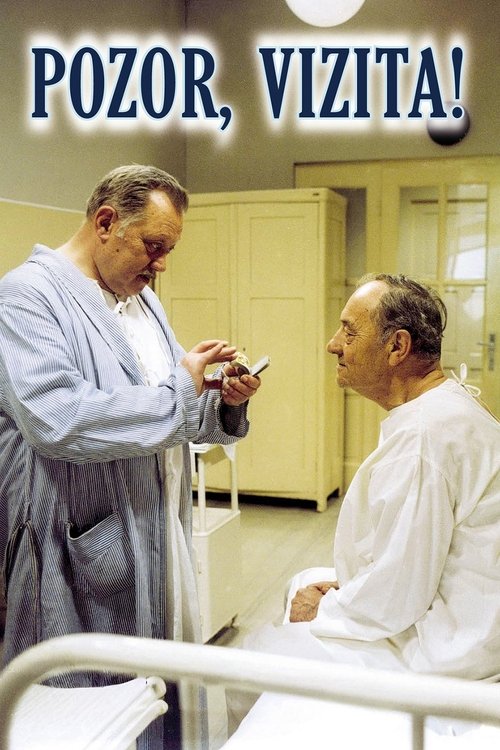
Attention, Rounds!
1982
No user ratings available yet
Representation score: 6.7 out of 10
Representation Score
Good
1984
Director
Karel Kachyňa
Runtime
85 minutes
Average Rating
No ratings yetNew Showbiz Analysis
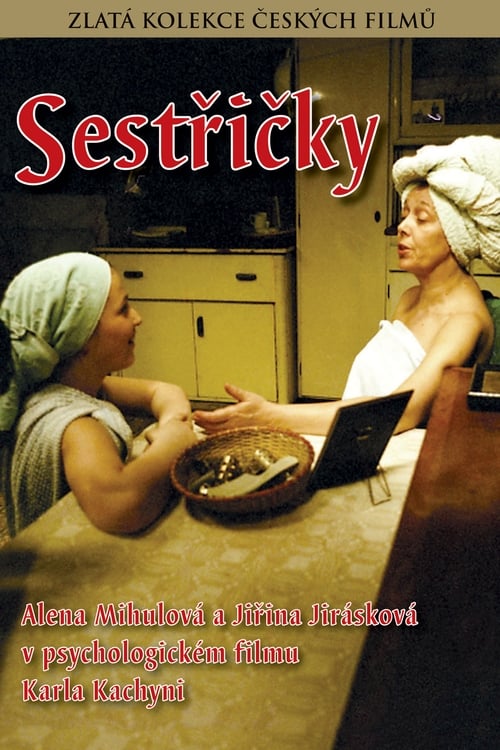
Sestricky is a character-driven drama that excels in portraying the professional growth of women. By focusing on the journey of a young nurse and her seasoned mentor, the film effectively challenges traditional hierarchies through communal female knowledge. However, the film is constrained by its historical and geographical context. Set in 1950s Czechia, it reflects a significant demographic homogeneity, lacking in racial or ethnic diversity. Ultimately, while the film shines in exploring humanistic psychological depth and female empowerment, it remains rooted in its specific historical and regional context.
Category Breakdown
The film does not include any explicit references to LGBTQ+ characters or non-straight relationships. It follows a traditional period-drama format set in the 1950s.
The story focuses on the professional development and intellectual growth of women. It emphasizes the wisdom and mentorship between Marie and her experienced nurse, 'babi'.
Set in rural 1950s Czechia, the film reflects the homogeneous demographics of its time. There is no indication of multi-ethnic casting or diverse ethnic representation.
The story critiques centralized systems by highlighting localized, human-centric care in neglected villages. It favors a nuanced understanding of morality based on individual situations rather than strict institutional rules.
Given the medical setting, the film highlights bodily fragility and health complexities. However, there is no clear evidence of characters with lived disabilities.
Present on Screen
Limited or Absent
Official Synopsis
A Czech psychological film about the school of life, its sorrows and beauties. The main character is a young aspiring nurse Marie Sahulová, who, after a trouble in the hospital - she secretly brought a boy to her boarding school - is transferred to a rural health centre, where together with an old doctor and a peculiar nurse she has to travel around twenty-five villages and a number of solitudes in the harsh environment of the neglected villages of the 1950s. The nurse, a wise and experienced woman whom no one calls anything other than "babi", becomes her guide, who introduces her to the practice and the pitfalls of private life in a distinctive way. In the mosaic of everyday worries and more or less serious medical interventions, Marie matures and finds the meaning of her work and life.
1982
2016
1995
1965
2015
1988
1964
1995
No reviews yet. Be the first to share your thoughts on this movie!
Use the rating form above to leave a star rating and optional review.