
Comrades, Almost a Love Story
1996
No user ratings available yet
Representation score: 4.5 out of 10
Representation Score
Fair
1987
Director
Mabel Cheung Yuen-Ting
Runtime
98 minutes
Average Rating
No ratings yetNew Showbiz Analysis
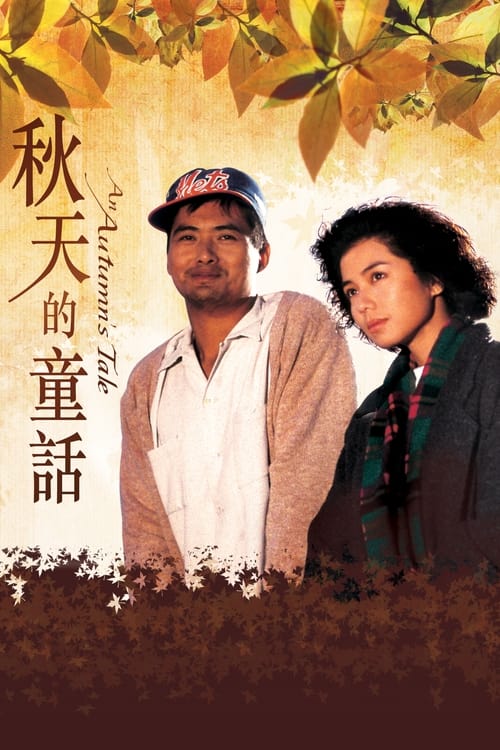
An Autumn's Tale stands out as a significant work that prioritizes the immigrant experience. By centering the lives of Hong Kong natives in New York, the film successfully disrupts conventional cinematic expectations and provides a non-Western perspective. While the film lacks explicit LGBTQ+ or disability-centric narratives, it achieves high marks for racial and ethnic authenticity. The narrative structure focuses on the complexities of cultural displacement and the socioeconomic realities of the garment industry. The film's strength lies in its character-driven exploration of gendered experiences. It provides a nuanced look at female empowerment, moving beyond traditional hierarchies to highlight the inner lives of its women.
Category Breakdown
The story focuses on heterosexual romance and traditional courtship. It does not include same-sex relationships or non-binary gender identities within its main characters.
The film highlights the emotional and intellectual growth of its female protagonist. It challenges traditional male-centric stories by emphasizing female friendships and the inner lives of women.
The narrative excels in depicting the Cantonese diaspora in New York's Chinatown. It challenges Western-centric storytelling by prioritizing a non-Anglo-Saxon perspective on identity and belonging.
The film explores the tension between tradition and modernity within the immigrant working class. It offers a grounded critique of socioeconomic pressures through a nostalgic lens.
There are no prominent depictions of visible or invisible disabilities that drive the narrative.
Present on Screen
Limited or Absent
Official Synopsis
Hong Kong native Lee Kay moves to NYC's Chinatown while attending college. When she learns that her boyfriend's cheating, her cousin comforts her.
1996
1986

1983

2010
1997

2004

1983

1997
No reviews yet. Be the first to share your thoughts on this movie!
Use the rating form above to leave a star rating and optional review.