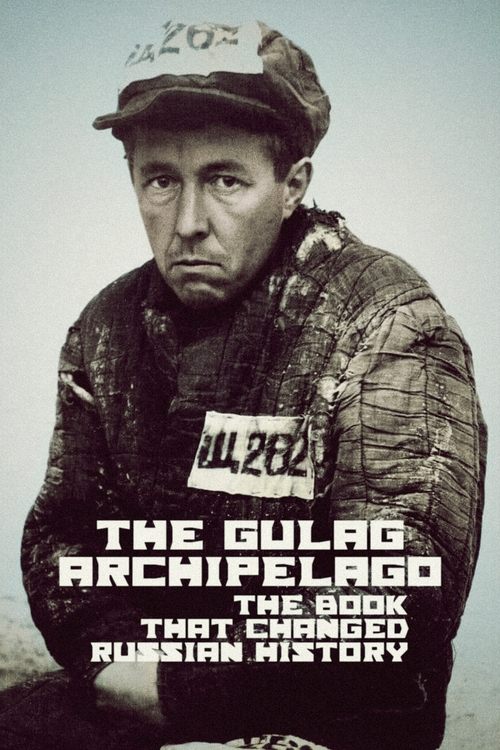
The Gulag Archipelago: The Book That Changed Russian History
2023
No user ratings available yet
Representation score: 5.1 out of 10
Representation Score
Limited
2009
Director
Carl Hindmarch
Average Rating
No ratings yetNew Showbiz Analysis
This docudrama emphasizes ideological inquiry over demographic representation. Though it lacks diverse portrayals of gender, race, and LGBTQ+ identities, it provides a deep exploration of power structures. The film stands out with its intellectual depth, engaging with complex ideological frameworks through high-level academic debate. It delves into the systemic dismantling of established social hierarchies. Ultimately, the work serves as a specialized historical study, focusing on revolutionary justice and the morality of state actions rather than traditional identity-based inclusion.
Category Breakdown
The film centers on the political strategies of the Committee of Public Safety and does not include any LGBTQ+ characters or representations of non-straight identities.
The story mainly revolves around male figures such as Robespierre and Danton, reinforcing traditional male leadership roles.
The cast is primarily composed of white actors representing 18th-century French society, without employing color-blind casting to diversify the representation.
The film highlights the deconstruction of the Monarchy and the Catholic Church through academic debates, questioning the morality of state-sanctioned violence.
There is no discernible evidence regarding the portrayal of physical or neurodivergent disabilities within the documentary's historical focus.
Present on Screen
Limited or Absent
Official Synopsis
In 1794, French revolutionary Maximilien Robespierre produced the world's first defense of "state terror" - claiming that the road to virtue lay through political violence. This film combines drama, archive and documentary interviews to examine Robespierre's year in charge of the Committee Of Public Safety - the powerful state machine at the heart of Revolutionary France. Contesting Robespierre's legacy is Slavoj Zizek, who argues that terror in the cause of virtue is justifiable, and Simon Schama, who believes the road from Robespierre ran straight to the gulag and the 20th-century concentration camp. The drama, based on original sources, follows the life-and-death politics of the Committee during "Year Two" of the new Republic.
2023
1983

1975
2012
2023
2012
2011
2014
No reviews yet. Be the first to share your thoughts on this movie!
Use the rating form above to leave a star rating and optional review.