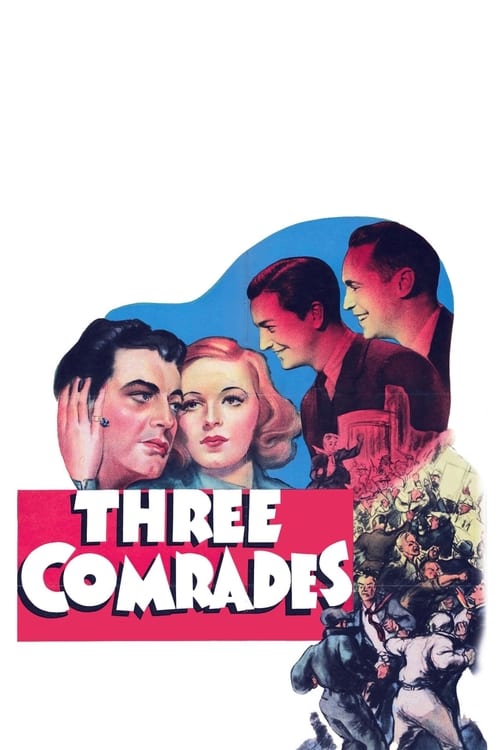
Three Comrades
1938
No user ratings available yet
Representation score: 3.5 out of 10

Representation Score
Minimal
1944
Director
Veit Harlan
Runtime
98 minutes
Average Rating
No ratings yetNew Showbiz Analysis
The Great Sacrifice is a product of its 1944 historical context, designed to reinforce the ideological and aesthetic frameworks of the Third Reich. The narrative structure prioritizes duty and state-sanctioned norms over diverse storytelling. Characters function as archetypes to uphold a rigid social order. The film lacks any progressive disruption, instead using gendered sacrifice and moral absolutism to stabilize existing hierarchies. Ultimately, the work lacks meaningful roles for underrepresented figures and reinforces traditionalist values rather than offering a nuanced exploration of human diversity.
Category Breakdown
The film focuses solely on a traditional romantic triangle and operates within a strictly binary framework of desire, excluding any non-traditional gender identities.
Narrative ability to act is heavily centered around the male protagonist. Female characters are reduced to archetypes that facilitate male moral choice.
The cast is homogeneous and reflects a singular, Eurocentric cultural norm. There is no evidence of racial diversity or non-white perspectives.
The film promotes rigid, traditionalist values and moral absolutism. It functions to stabilize existing power structures rather than critique them.
A terminal tropical disease is used primarily as a melodramatic device. The illness serves the theme of sacrifice rather than exploring lived experience.
Present on Screen
Limited or Absent
Official Synopsis
Äls, a young woman from Sweden living in Hamburg in the summer months, attracts a newly married explorer, Albrecht Froben, who has just returned to his native city. But although Äls seems to be 'life itself', she suffers from a tropical disease which is slowly killing her. Froben is torn between Äls and his wife Octavia, who he seen as a kind of 'heavenly' counterpart to the earthy and beguiling Äls.
1938
1955
1947

1953
1944
1952
1941
1935
No reviews yet. Be the first to share your thoughts on this movie!
Use the rating form above to leave a star rating and optional review.