Chip 'n Dale: Trouble in a Tree
2005
No user ratings available yet
Diversity score: 1.4 out of 10
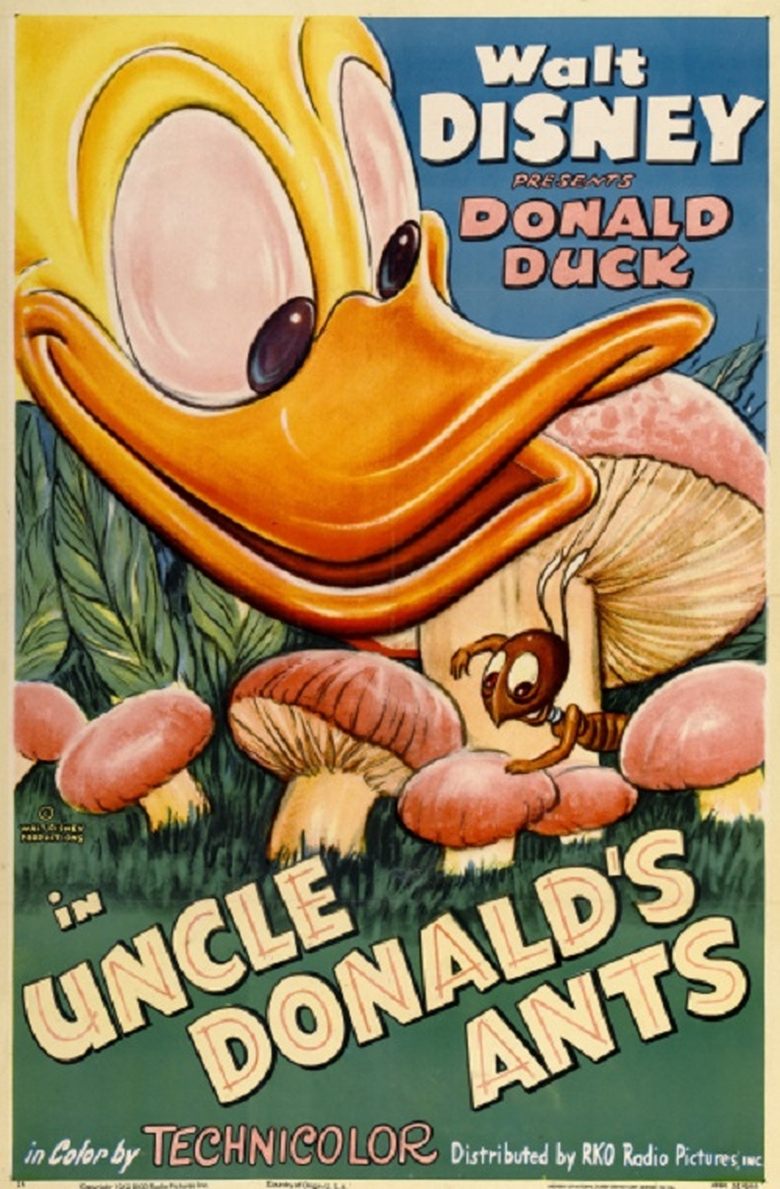
1952
NRDirector
Jack Hannah
Runtime
6 minutes
Average Rating
No ratings yetSynopsis
Donald spills some sugar on his sidewalk, and soon the ants are in complete control of his home, stealing the cake he was baking, building a pipeline from his maple syrup to their hill, and causing general mayhem.
Overall Score
Minimal
Category Breakdown
LGBTQ+ Representation
The film contains no LGBTQ+ characters or narratives. It follows the standard character dynamics typical of 1950s animation.
Gender Representation
The story centers on Donald Duck, a traditionally masculine-coded protagonist. It lacks female characters or any subversion of gendered roles.
Racial & Ethnic Diversity
The cast consists of an anthropomorphic duck and insects. There is no evidence of diverse ethnic identities or a varied cast.
Religious & Cultural Diversity
The plot uses domestic resource struggles as a comedic trope. It adheres to traditional comedic structures rather than offering cultural critique.
Disability Representation
There are no characters with visible or invisible disabilities. Disability is not utilized as a narrative device or plot point.
Strengths
Areas for Improvement
AI Analysis
Uncle Donald's Ants is a product of the mid-20th century studio system, prioritizing slapstick comedy over social subversion. The narrative focuses on a singular protagonist navigating domestic chaos caused by insects. The film lacks intentional demographic diversity, reflecting the homogeneous animation standards of 1952. It does not incorporate intersectional perspectives or challenge existing social hierarchies. Ultimately, the short functions as a traditional character-driven comedy without addressing broader social or cultural identities.
2005

1951
1954
1953
1951
1950
1943
1936
2022
1946
1940
1955
No reviews yet. Be the first to share your thoughts on this movie!
Use the rating form above to leave a star rating and optional review.