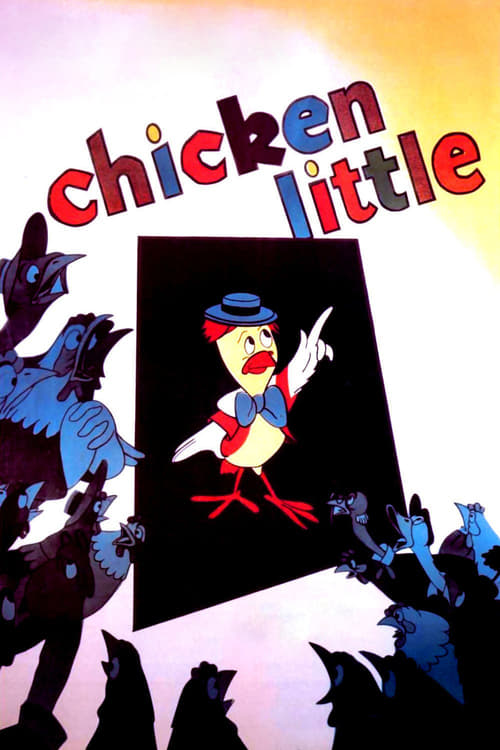
Chicken Little
1943
No user ratings available yet
Diversity score: 1.6 out of 10

1940
NRDirector
Clyde Geronimi
Runtime
7 minutes
Average Rating
No ratings yetSynopsis
Mickey Mouse is about to build Pluto a doghouse when Pluto digs up a magic lamp that speaks in black dialect. It offers to do Mickey's bidding. Mickey's first wish is for a doghouse, and the lamp starts to work. Suddenly, the saw, the planer, the paintbrush and other tools magically begin working on their own. Finally, Pluto has a magnificent doghouse. The second wish? Mickey asks the lamp to give Pluto a bath. But things go awry when Pluto accidentally breaks Mickey's radio. Now, all sorts of conflicting messages are coming out of the speaker as Mickey tries to fix it. The lamp assumes all the voices are Mickey's and obeys them. Pluto is rolled with a rolling pin, punched with boxing gloves, frozen in an aspic and is about to be cut into thin slices before all ends happily.
Overall Score
Minimal
Category Breakdown
LGBTQ+ Representation
The narrative focuses entirely on the domestic interactions between Mickey Mouse and Pluto. There is no evidence of non-cisnormative gender identities or depictions of same-sex intimacy.
Gender Representation
The film lacks female characters, bypassing any meaningful subversion of gender hierarchies. The narrative centers on a traditional male-coded protagonist performing domestic labor and caretaking.
Racial & Ethnic Diversity
A magical lamp employs African-American Vernacular English. Within the 1940 context, this serves as a reliance on linguistic caricature rather than a nuanced portrayal of racial identity.
Religious & Cultural Diversity
The narrative follows a traditional, moralistic structure common to early Western animation. It reinforces conventional mid-century values regarding property, domesticity, and the resolution of chaos.
Disability Representation
There are no characters depicted with physical, sensory, or neurodivergent disabilities. Slapstick elements are used as comedic tropes of physical resilience rather than meaningful explorations of agency.
Strengths
Areas for Improvement
AI Analysis
Pluto's Dream House functions as a traditional short-form animation that reinforces established social hierarchies. The film lacks intersectional depth, relying on linguistic tropes for characterization and maintaining a narrow focus on conventional domesticity. The work reflects the studio-driven narrative structures of the mid-20th century. Rather than challenging social norms, the film emphasizes domestic stability and a return to order through a standard, moralistic framework. Ultimately, the absence of diverse character archetypes and the lack of agency afforded to the magical entity result in a highly traditionalist and non-subversive cinematic structure.
1943

1936
1947
1954
1950

1950
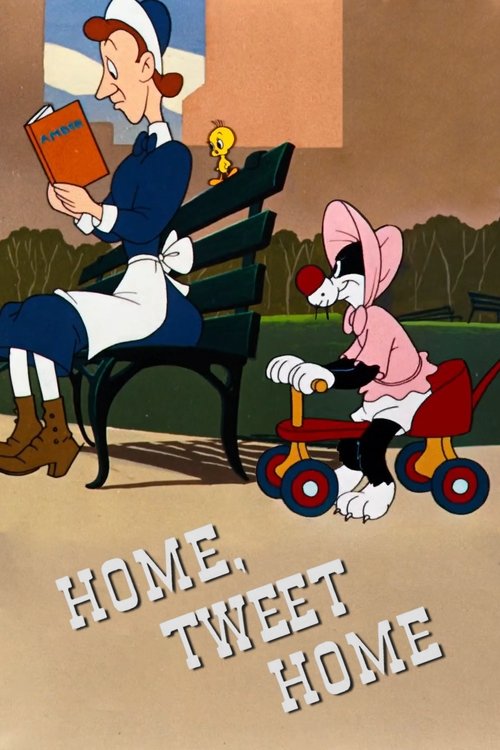
1950
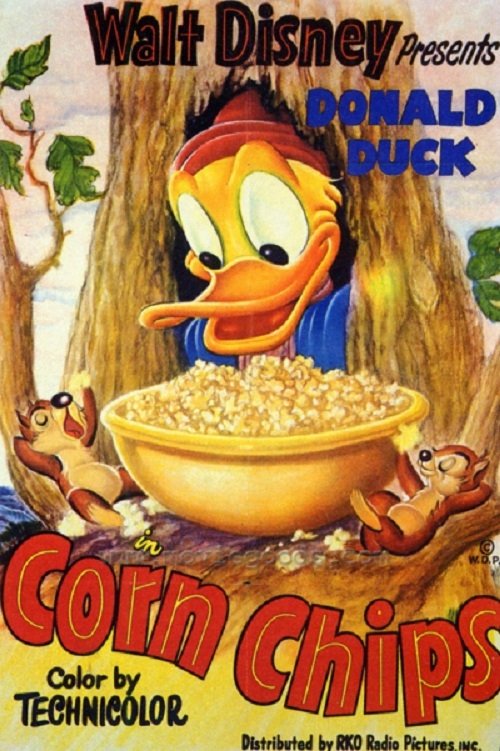
1951
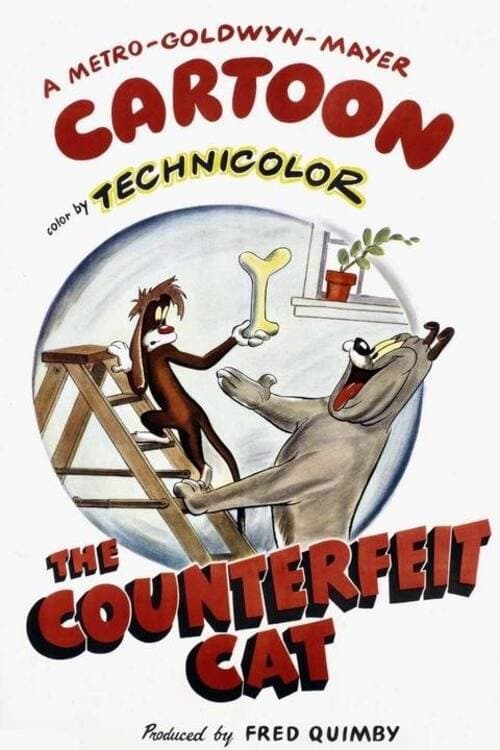
1949
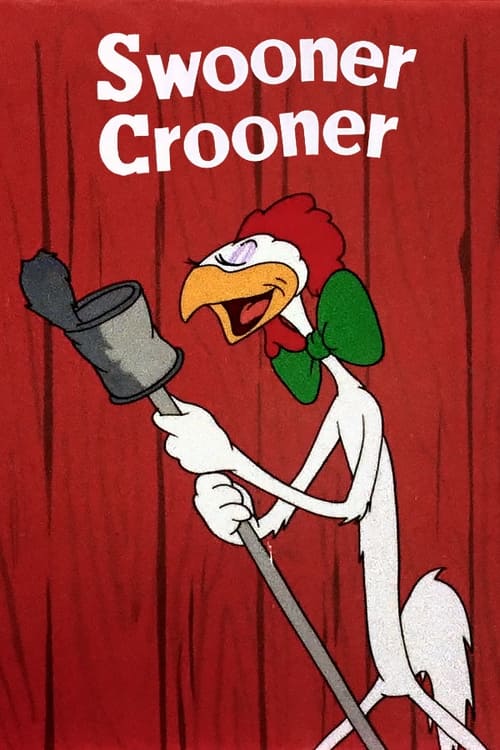
1944
1947
1945
No reviews yet. Be the first to share your thoughts on this movie!
Use the rating form above to leave a star rating and optional review.