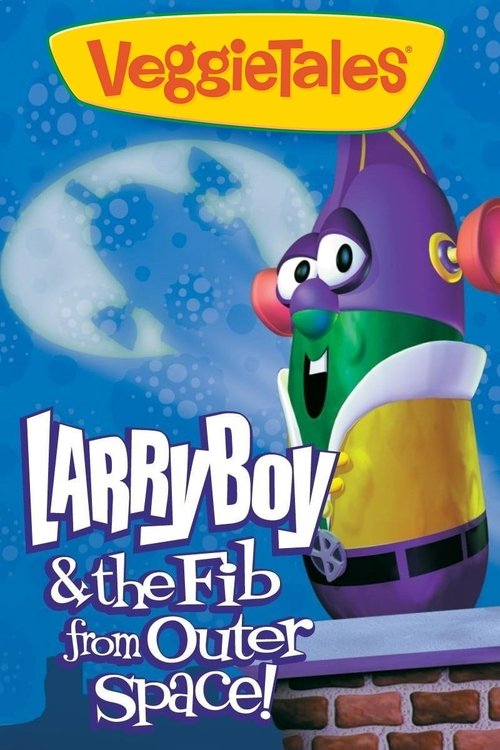
VeggieTales: LarryBoy & the Fib from Outer Space!
1997
No user ratings available yet
Diversity score: 1.9 out of 10
1955
Director
Ivo Caprino
Runtime
15 minutes
Average Rating
No ratings yetSynopsis
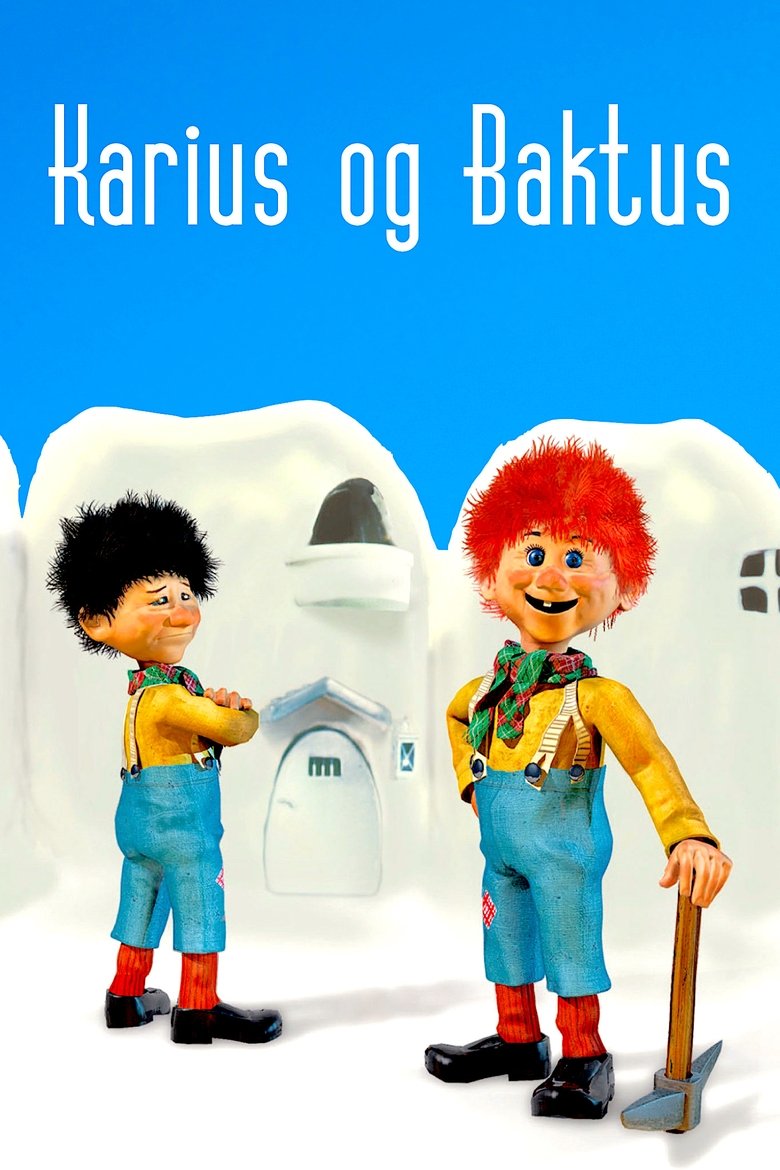
The little tooth trolls Karius and Baktus tries to persuade Jens not to brush his teeth, and their picking wholes in his teeth can go on as planned. If the mother's plea to Jens is winning, the happy days of white bread and syrup is over.no
Overall Score
Limited
Category Breakdown
LGBTQ+ Representation
The film focuses on the parasitic relationship between tooth trolls and a child. No non-heteronormative identities or same-sex intimacy are present.
Gender Representation
A traditional domestic hierarchy is presented through a maternal figure who provides authority and hygiene guidance. The trolls remain gender-neutral mischief-makers.
Racial & Ethnic Diversity
The setting is a homogeneous domestic environment reflecting mid-century European production. The focus on anthropomorphic entities offers no platform for ethnic diversity.
Religious & Cultural Diversity
The narrative reinforces traditional Western values regarding hygiene and discipline. It functions as a moralistic cautionary tale about following parental guidance.
Disability Representation
Dental decay is treated as a behavioral consequence rather than a lived experience of disability. The trolls cause the ailment rather than navigating accessibility.
Strengths
Areas for Improvement
AI Analysis
Karius and Baktus is a mid-century Norwegian stop-motion animation designed primarily as a didactic tool for hygiene education. The story utilizes anthropomorphic characters to illustrate the consequences of poor personal habits within a traditional moralizing framework. The film adheres to conventional mid-20th-century storytelling norms, focusing on the tension between mischief and parental discipline. Because it operates within a localized, instructional context, it lacks the social layering or identity-driven narratives found in modern cinema. Ultimately, the work prioritizes technical mastery and pedagogical outcomes over the subversion of cultural norms or intersectional representation.
1997
2005
1967
1954

1982

2012
1952
1995
2006
2008
1990

1975
No reviews yet. Be the first to share your thoughts on this movie!
Use the rating form above to leave a star rating and optional review.