
The Bloodstained Shadow
1978
No user ratings available yet
Representation score: 2.8 out of 10
Representation Score
Limited
1977
RDirector
Antonio Bido
Runtime
95 minutes
Average Rating
No ratings yetNew Showbiz Analysis
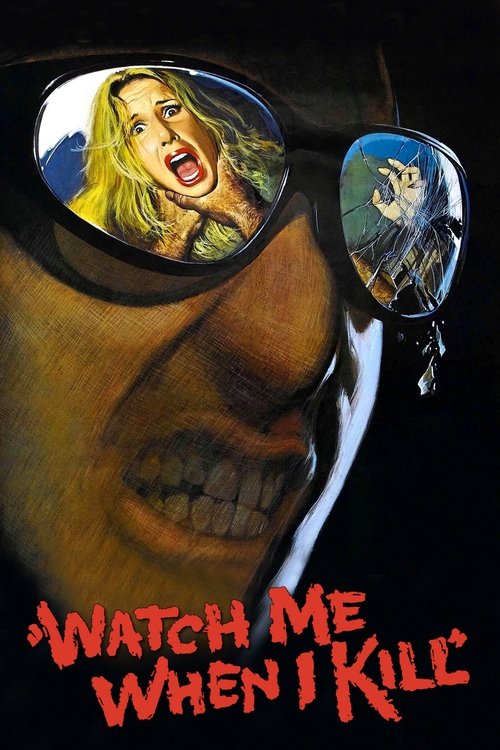
Watch Me When I Kill is a conventional 1970s Italian thriller that prioritizes genre clichés over social commentary. The film adheres to the established suspense dynamics of the giallo era, focusing on personal peril rather than addressing diverse cultural perspectives. The narrative structure relies on traditional hierarchies, featuring a female protagonist reacting to a male antagonist. This approach maintains the standard demographic and social constraints of its time and locale. Ultimately, the film functions as a stylistic genre piece. It lacks the narrative architecture necessary to challenge social hierarchies or engage with diverse cultural perspectives.
Category Breakdown
The film lacks explicit LGBTQ+ characters or narratives. It follows a traditional suspense structure centered on a female protagonist and a male antagonist.
The story centers around a female protagonist who reacts to male violence, following the 'final girl' cliché. Her role is defined by surviving the threats posed by the male antagonist.
The film reflects a homogeneous European demographic typical of 1970s Italian cinema. There is no evidence of diverse ensemble structures or race-bent casting.
The narrative focuses on individual criminality without critiquing institutional structures. It operates within a standard mystery framework without overt secularist or anti-Western agendas.
There is no evidence regarding the inclusion of characters with physical or neurodivergent disabilities in the available data.
Present on Screen
Limited or Absent
Official Synopsis
A pharmacist is murdered, and a woman happens to see the culprit leave the scene. She soon finds herself being stalked by the killer.
1978
1971
1975

1970

1973

1978

1975
1980
No reviews yet. Be the first to share your thoughts on this movie!
Use the rating form above to leave a star rating and optional review.