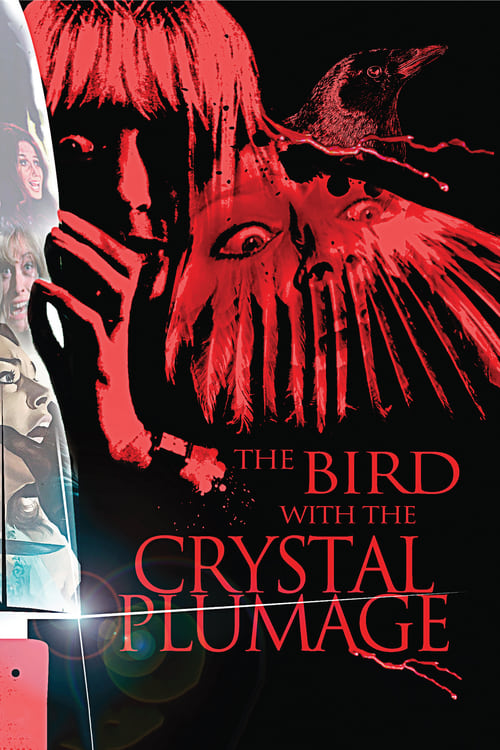
The Bird with the Crystal Plumage
1970
No user ratings available yet
Representation score: 1.8 out of 10

Representation Score
Limited
1973
Not RatedDirector
Maurizio Pradeaux
Runtime
91 minutes
Average Rating
No ratings yetNew Showbiz Analysis
Death Carries a Cane is a conventional 1970s Giallo-style thriller that prioritizes genre clichés over social subversion. While the film provides a central female lead, it operates within established cinematic traditions of the era. The narrative lacks intentionality regarding diverse representation. It focuses on a localized Roman setting and a traditional mystery structure, offering little in the way of varied social or cultural perspectives. Ultimately, the film functions as a standard genre piece. It provides a focused mystery experience but does not attempt to disrupt or deconstruct systemic social hierarchies.
Category Breakdown
The story focuses on a heterosexual relationship between Kitty and Alberto. There is no indication of LGBTQ+ identities or challenges to the assumption that everyone is straight.
Kitty is a central character who plays a significant role in driving the story. However, the narrative relies on the 'damsel in distress' cliché common in 1970s thrillers.
The Roman setting suggests a cast reflecting local demographics. The film lacks diverse ethnic representation or multi-layered casting.
The plot follows a standard mystery framework centered on individual crime. It does not engage with critiques of religious or Western institutions.
The narrative contains no mention of characters with physical or invisible disabilities. No assessment of neurodivergence or disability ability to act is possible.
Present on Screen
Limited or Absent
Official Synopsis
Kitty, a photographer living in Rome, witnesses the murder of a young woman at the hands of a razor-wielding black-gloved killer. Kitty and her fiancé Alberto go to the police, only to learn that two other witnesses to the crime have been slashed to death.
1970
1971

1972
1977
1975

1971
1987

1982
No reviews yet. Be the first to share your thoughts on this movie!
Use the rating form above to leave a star rating and optional review.