Love in the Afternoon
1957
No user ratings available yet
Representation score: 2.5 out of 10
Representation Score
Minimal
1947
NRDirector
Irving Reis
Runtime
95 minutes
Average Rating
No ratings yetNew Showbiz Analysis
The film is a quintessential mid-century studio comedy that prioritizes conventional romantic clichés and traditional social hierarchies. It functions as a product of its era, reinforcing the status quo rather than challenging it. The narrative lacks complexity in depicting multiple aspects of identity, focusing on a homogeneous depiction of class and gender. While female characters exist, they often serve as catalysts for male development rather than driving independent arcs. Ultimately, the production adheres to the conservative cinematic standards of the 1940s, offering a narrow view of social and cultural life.
Category Breakdown
The film operates within a framework that assumes everyone is straight and cisgender. There are no queer romantic dynamics or non-cisgender identities depicted in the narrative.
Susan Turner initially plays a significant role but is soon turned into an object of male competition. A female judge provides a minor disruption to traditional domestic roles but remains a disciplinary figure.
The cast is predominantly white and upper-class, reflecting the demographic homogeneity of 1940s studio productions. The film does not engage with racial or ethnic diversity.
The story promotes traditional values regarding courtship and social propriety. It reinforces the stability of post-war American capitalism and existing social orders without critique.
No characters with visible or invisible disabilities are featured. The film does not engage with themes of neurodivergence or physical impairment.
Present on Screen
Limited or Absent
Official Synopsis
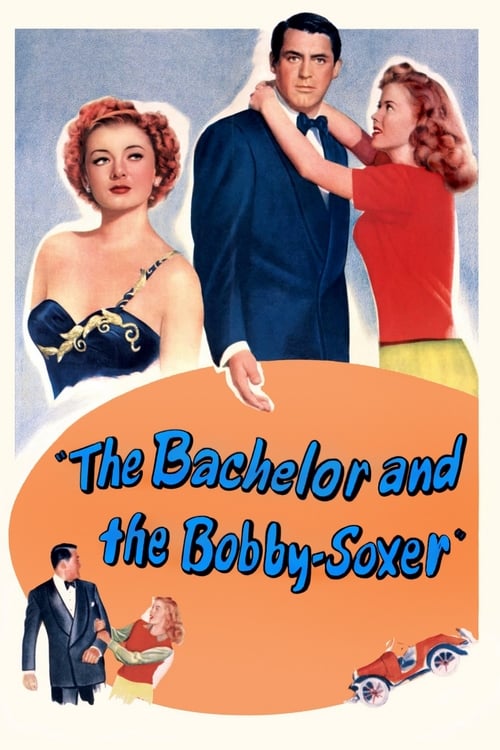
Teenager Susan Turner, with a severe crush on playboy artist Richard Nugent, sneaks into his apartment to model for him and is found there by her sister Judge Margaret Turner. Threatened with jail, Nugent agrees to date Susan until the crush abates.
1957

1942
1959
1953
1964
1942
1955
1936
No reviews yet. Be the first to share your thoughts on this movie!
Use the rating form above to leave a star rating and optional review.