The Major and the Minor
1942
No user ratings available yet
Representation score: 2.5 out of 10
Representation Score
Limited
1945
NRDirector
Peter Godfrey
Runtime
102 minutes
Average Rating
No ratings yetNew Showbiz Analysis
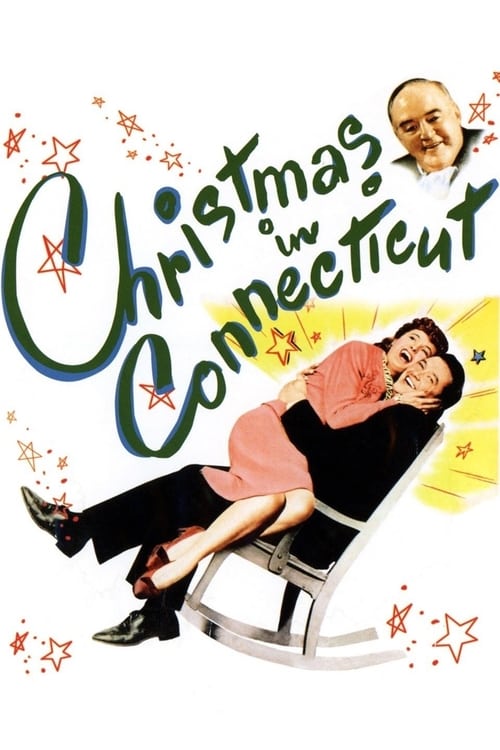
Christmas in Connecticut is a classic mid-century comedy that emphasizes social propriety and romantic fulfillment. While the initial deception about professional roles disrupts traditional gender roles, the film ultimately supports the social hierarchy of its time. The narrative lacks diverse perspectives, focusing on a singular white viewpoint typical of 1945 cinema. It upholds the restoration of social order rather than questioning systemic norms. Overall, the film serves as a nostalgic representation of traditional family and romantic ideals, lacking progressive representation.
Category Breakdown
The film uses gender confusion as a comedic device. It doesn't explore LGBTQ+ identities deeply and upholds traditional heterosexual relationships.
Elizabeth Lane showcases professional independence as a writer, breaking domestic stereotypes. However, the story ends by reinforcing traditional romantic roles and gender expectations.
The film reflects the era's lack of diversity, featuring a predominantly white, middle-class cast and setting.
The story follows a conventional Western storyline, emphasizing the nuclear family and social order. It avoids criticizing established institutions or capitalism.
There are no disabilities, visible or otherwise, that play a central role in the story.
Present on Screen
Limited or Absent
Official Synopsis
While recovering in a hospital, war hero Jefferson Jones grows familiar with the "Diary of a Housewife" column written by Elizabeth Lane. Jeff's nurse arranges with Elizabeth's publisher, Alexander Yardley, for Jeff to spend the holiday at Elizabeth's bucolic Connecticut farm with her husband and child. But the column is a sham, so Elizabeth and her editor, Dudley Beecham, in fear of losing their jobs, hasten to set up the single, childless and entirely nondomestic Elizabeth on a country farm.
1942
1942
1938

1940
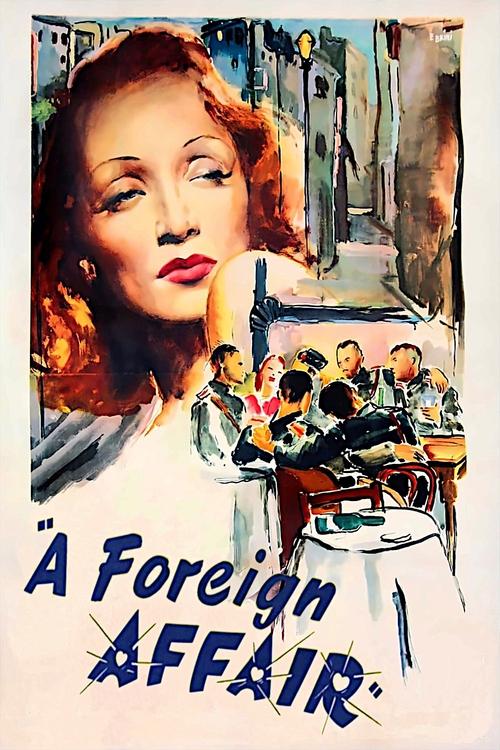
1948
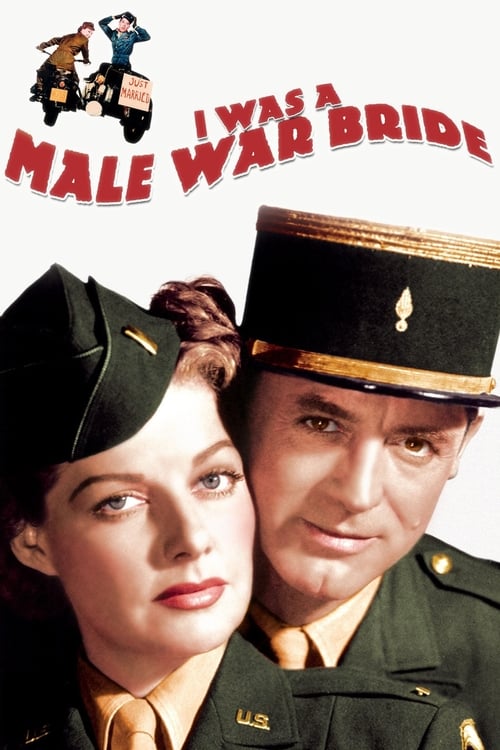
1949
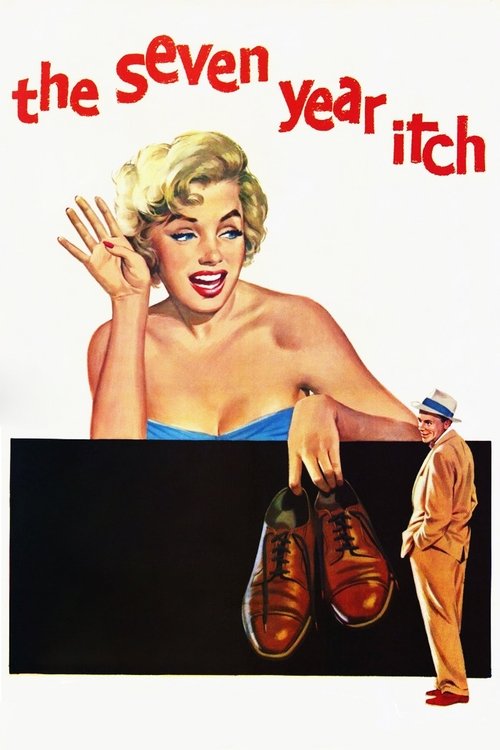
1955
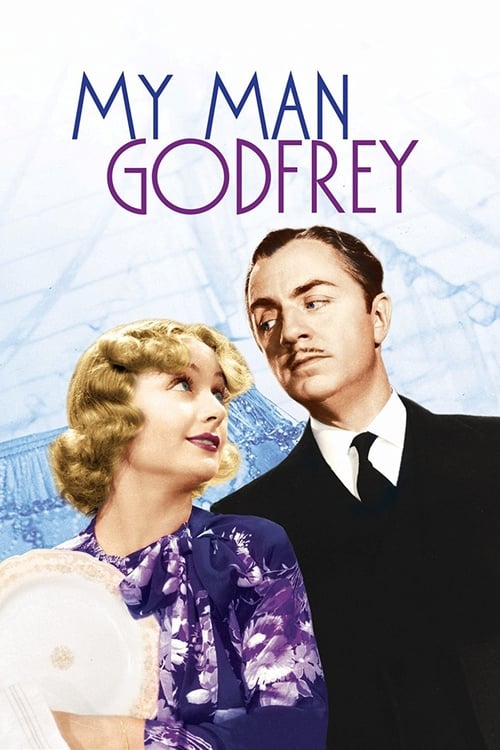
1936
No reviews yet. Be the first to share your thoughts on this movie!
Use the rating form above to leave a star rating and optional review.