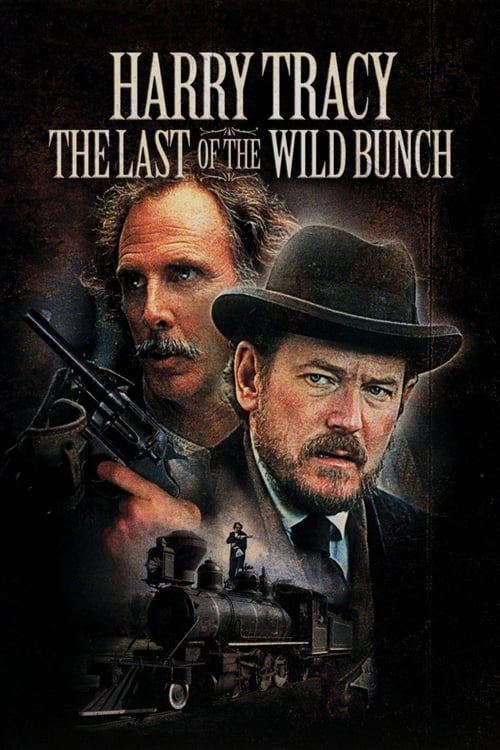
Harry Tracy, Desperado
1982
No user ratings available yet
Representation score: 3.7 out of 10
Representation Score
Minimal
1986
PGDirector
William A. Graham
Runtime
120 minutes
Average Rating
No ratings yetNew Showbiz Analysis
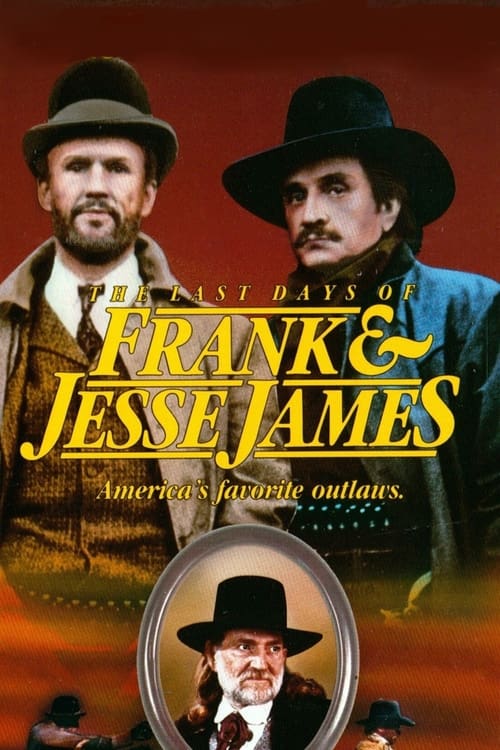
This biographical Western adheres strictly to 1980s genre conventions. It prioritizes the personal histories of famous outlaws through a conventional lens, offering little disruption to traditional social hierarchies. The film adds psychological depth to its leads, moving beyond simple criminal archetypes. Frank James is presented with a nuanced, book-loving interiority that distinguishes him from standard hyper-male clichés. However, the work lacks intentionality regarding the overlapping aspects of identity. The focus remains on male-driven conflict and traditional characterizations, leaving gender, race, and identity largely unexamined.
Category Breakdown
The film portrays Jesse James through traditional masculine outlaw roles, emphasizing his status as a womanizer. There are no visible representations of LGBTQ+ identities.
The story centers on male protagonists and their conflicts. Female characters are primarily portrayed as objects of Jesse's pursuit rather than independent individuals with their own goals.
The narrative follows a traditional Western focus on white protagonists. There is no evidence of a diverse cast or the inclusion of non-Anglo-Saxon characters within the period setting.
The film presents outlaws with intellectual interests, such as Frank's love of books, but it follows a standard biographical trajectory without challenging institutional norms.
The narrative contains no mention of characters dealing with physical, neurodivergent, or mental health conditions.
Present on Screen
Limited or Absent
Official Synopsis
This movie looks at the last years (not days, as implied in the title) of famous outlaws, Frank and Jesse James. The film opens in 1877 with the brothers trying to settle down after 15 years of thievery. Frank is shown to be a book-loving and family-oriented man, while brother Jesse is a money-hungry womanizer. The movie follows their lives through Jesse's death at the hands of the "rotten little coward" Bob Ford and Frank's death in 1892.
1982
1980
2010

1939
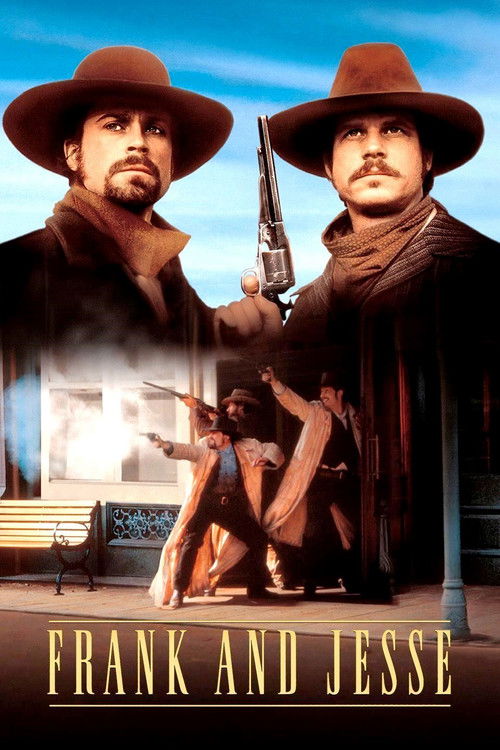
1994
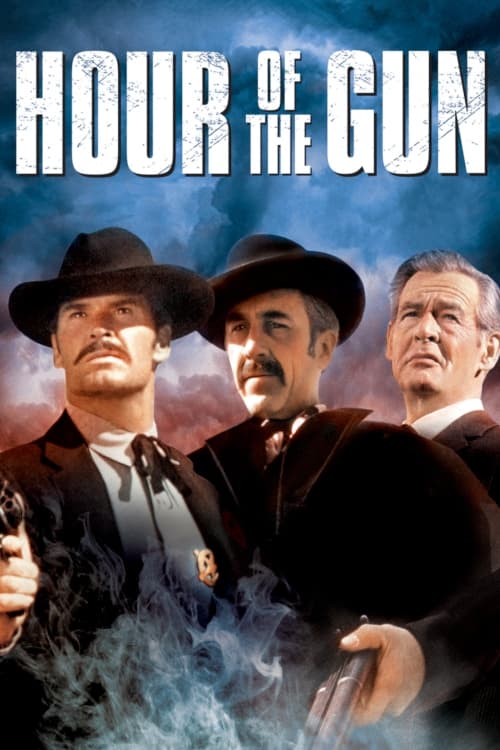
1967

2006

1980
No reviews yet. Be the first to share your thoughts on this movie!
Use the rating form above to leave a star rating and optional review.