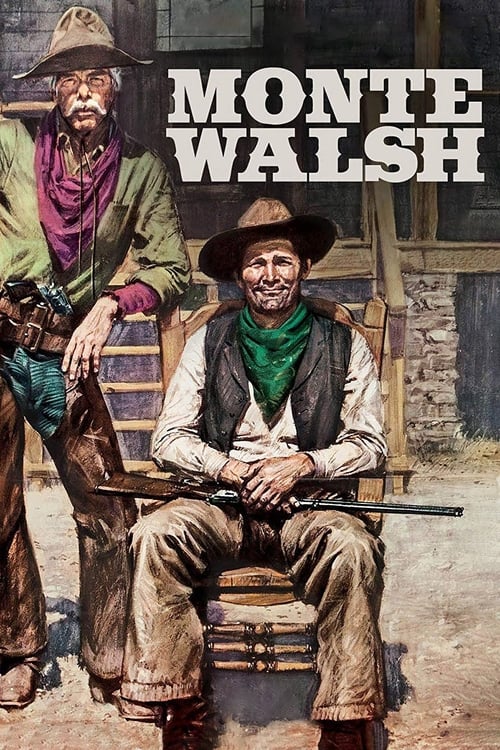
Monte Walsh
1970
No user ratings available yet
Diversity score: 2.7 out of 10
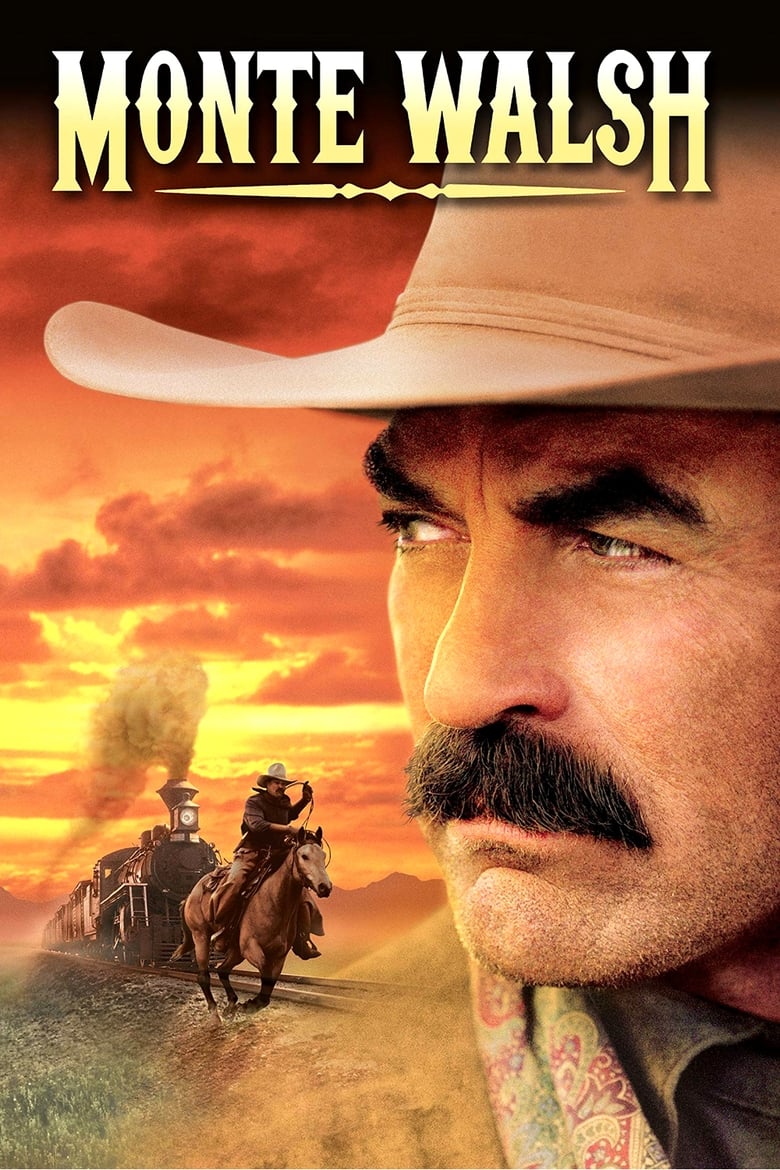
2003
TV-14Director
Simon Wincer
Runtime
117 minutes
Average Rating
No ratings yetSynopsis
Monte Walsh and Chet Rollins are long-time cowhands, working whatever ranch work comes their way, but "nothing they can't do from a horse." Their lives are divided between months on the range and the occasional trip into town. Monte has a long-term relationship with prostitute Martine Bernard, while Chet has fallen under the spell of the widow who owns the hardware store. Camaraderie and competition with the other cowboys fill their days, until one of the hands, Shorty Austin, loses his job and gets involved in rustling and killing. Then Monte and Chet find that their lives on the range are inexorably redirected.
Overall Score
Limited
Category Breakdown
LGBTQ+ Representation
The film lacks LGBTQ+ characters or non-heteronormative identities. Romantic subplots follow traditional heteronormative frameworks, such as Monte's relationship with Martine Bernard.
Gender Representation
The narrative centers on male camaraderie and patriarchal hierarchies. While women like the hardware store widow possess some agency, they primarily serve as emotional anchors for the male leads.
Racial & Ethnic Diversity
Set in 19th-century Australia, the film features a predominantly white, Anglo-Saxon cast. It reflects the homogeneous social structures of the frontier era without presenting a multicultural landscape.
Religious & Cultural Diversity
The story explores the 'noble outlaw' trope, questioning legal authority through the lens of frontier justice. However, it maintains traditional views on family and social bonds.
Disability Representation
There are no portrayals of visible or invisible disabilities. Characters are defined almost exclusively by their physical utility and labor on the range.
Strengths
Areas for Improvement
AI Analysis
Monte Walsh is a traditional Western that prioritizes historical realism and classical masculine archetypes. The storytelling adheres to established genre structures rather than attempting to disrupt social norms through intersectional narratives. The film's demographic makeup is largely homogeneous, reflecting a specific 19th-century Australian frontier setting. This results in a lack of racial, sexual, or disability-based diversity within the character arcs. While the film offers a nuanced look at justice via the outlaw archetype, it remains rooted in conventional social hierarchies. It functions as a character study of frontier life rather than a critique of systemic identity frameworks.
1970
1950
1940
1971
1931
1971
1947
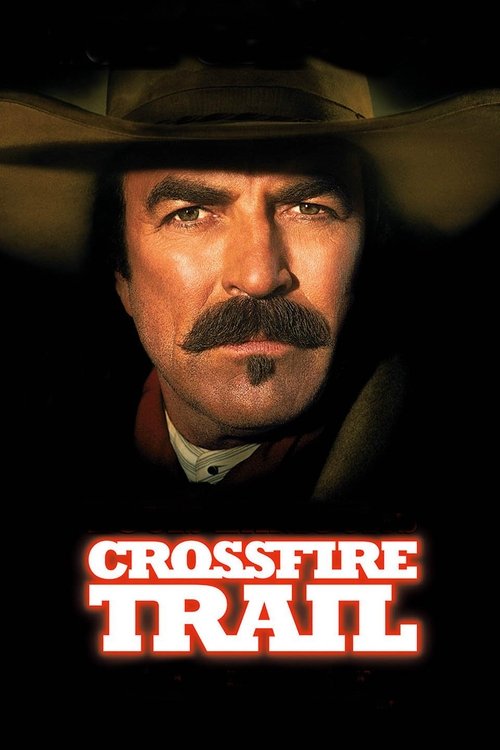
2001
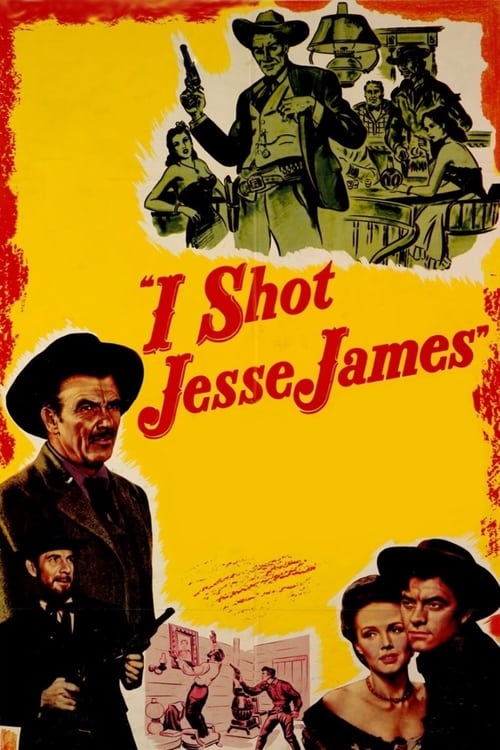
1949
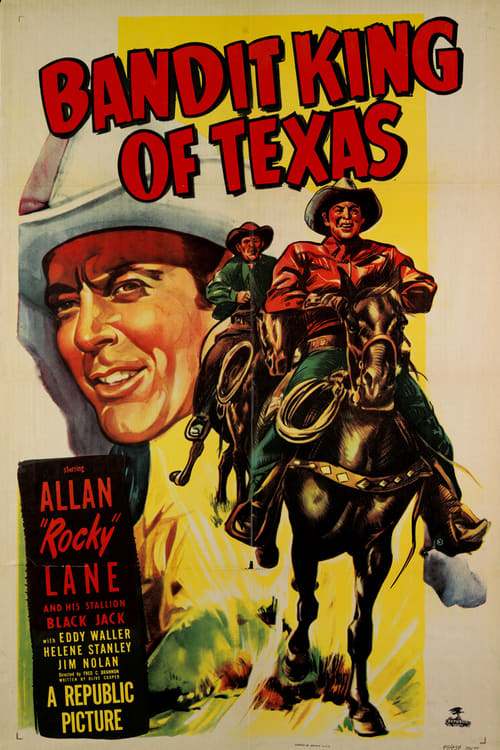
1949
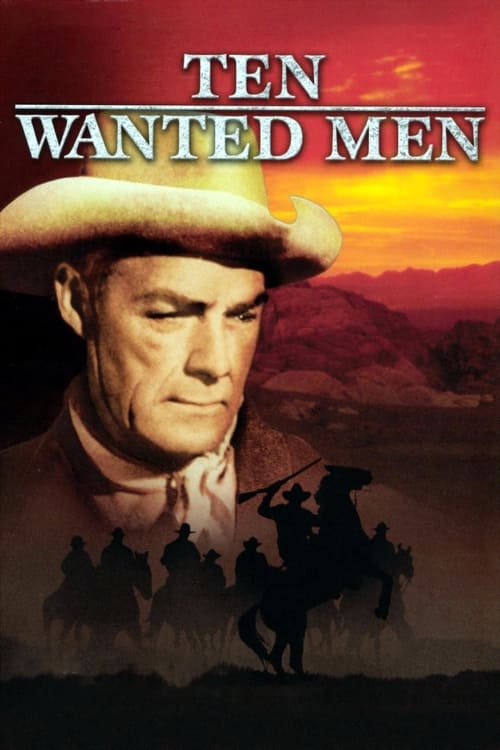
1955

1955
No reviews yet. Be the first to share your thoughts on this movie!
Use the rating form above to leave a star rating and optional review.