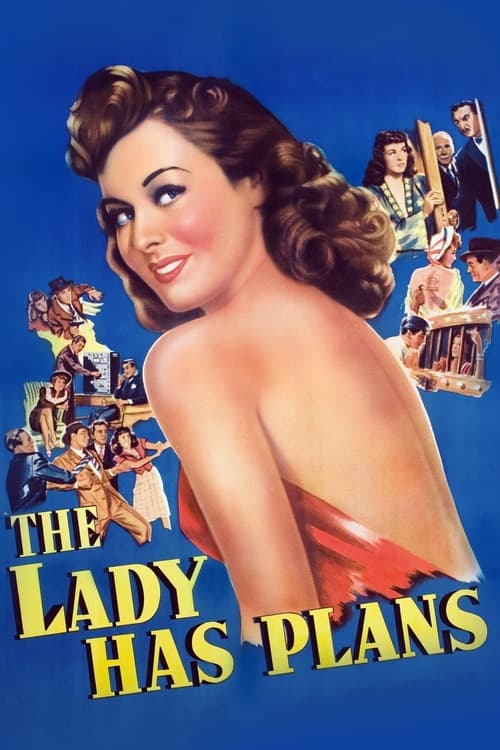
The Lady Has Plans
1942
No user ratings available yet
Representation score: 2.0 out of 10
No Poster Available
Representation Score
Minimal
1945
ApprovedDirector
William Beaudine
Runtime
68 minutes
Average Rating
No ratings yetNew Showbiz Analysis
Blonde Ransom is a conventional 1945 production that adheres strictly to the social and narrative conventions of its era. The film relies on established clichés of romantic loyalty and familial obligation to drive its plot. The narrative lacks intentionality regarding challenging social norms or diverse representation. It functions as a standard period piece, focusing on a central white cast and straight-centered relationship dynamics. Ultimately, the film reflects the homogeneous studio system of the mid-1940s, prioritizing traditional dramatic structures over multi-layered depth or social critique.
Category Breakdown
The story focuses on a heterosexual romance between Vicki Morrison and Duke Randall. There are no characters with non-cisgender identities or critiques of the assumption that everyone is straight or cisgender.
Vicki Morrison drives the plot by orchestrating a fake kidnapping. However, her role is primarily used to solve a financial crisis for her male partner.
The narrative lacks any indication of a diverse cast. It follows the homogeneous casting standards typical of mid-1940s studio productions.
The plot reinforces mid-century social structures through themes of familial wealth and romantic loyalty. It operates within standard Western institutional values.
There are no characters identified as having visible or invisible disabilities in the narrative.
Present on Screen
Limited or Absent
Official Synopsis
Vicki Morrison is the niece of the irascible old scoundrel Uncle William Morrison. When Vicki's boyfriend and owner of a Broadway nightclub Duke Randall needs $63,000 in a hurry, Vicki fakes her own kidnapping to raise the ransom money from her uncle. Things get sticky when the phony abduction turns real.
1942
1940
1932
1934
1934
1943
1940
1941
No reviews yet. Be the first to share your thoughts on this movie!
Use the rating form above to leave a star rating and optional review.