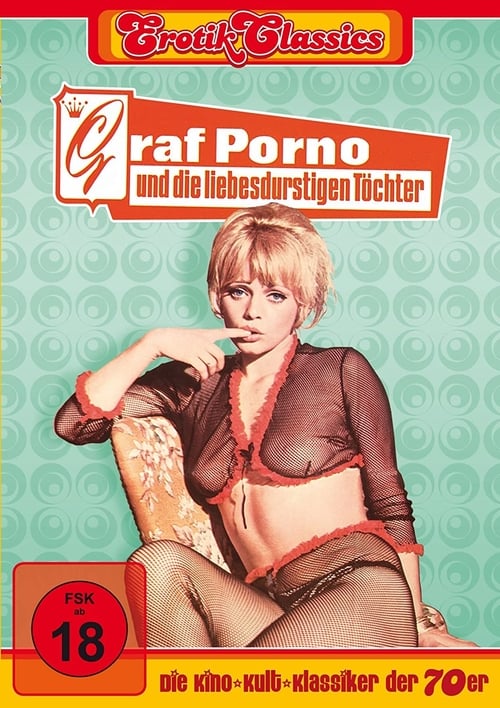
Graf Porno und die liebesdurstigen Töchter
1969
No user ratings available yet
Representation score: 1.1 out of 10
Representation Score
Limited
1978
Director
Franz Josef Gottlieb
Runtime
84 minutes
Average Rating
No ratings yetNew Showbiz Analysis
This film is a conventional comedy that relies on established formulas rather than social critique. Although it deviates from typical casting practices of its time, it does so through a lens of situational humor rather than meaningful representation. Identity is used to drive the plot forward. The main conflict centers around marriage deals and social status, reinforcing traditional hierarchies rather than challenging them. Overall, the film prioritizes comedic timing and genre expectations over exploring diverse lived experiences.
Category Breakdown
The film does not include any LGBTQ+ characters or narratives. The storyline revolves around a traditional romantic relationship and the protagonist's reluctance to marry.
Gender roles in the film follow conventional patterns, focusing on a male character who pursues women. Female characters such as Marianne are primarily used as plot devices or prizes in a marriage deal.
Including a character of color, Marianne, is noteworthy for a 1978 European film. However, her ethnicity is presented as a complication in a transaction.
The story unfolds within traditional Western social structures. Local authorities and financial institutions are central to the comedic conflicts.
There are no characters with visible or invisible disabilities mentioned in the film.
Present on Screen
Limited or Absent
Official Synopsis
Nikki Moser, a blond womanizer, made a deal with the burgomaster. He gave him money to buy a hotel, and for this Nikki should marry his daughter Marianne. And the catch is not even that the daughter of the Bavarian city head is a mulatto, but the fact that Nicky does not want to be bound by marriage to anyone. Buddy Tony throws the poor guy the idea of taking a loan, giving money to the burgomaster and sending him away with his daughter. However, to say is not to do. To knock out a loan is a complicated matter.
1969
1985
1997

1978
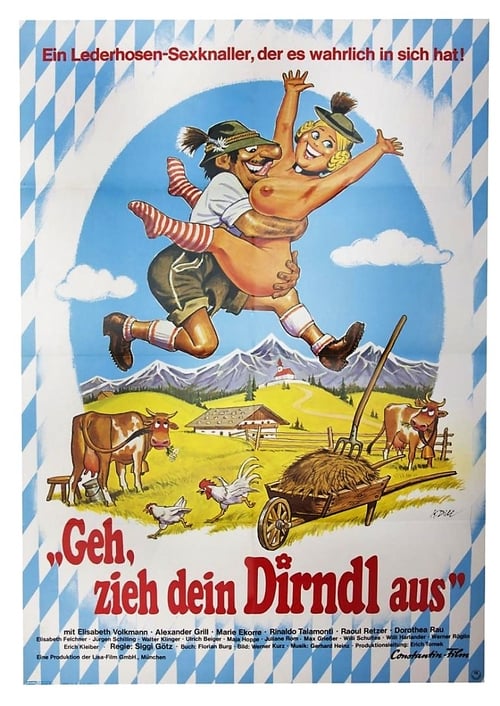
1973
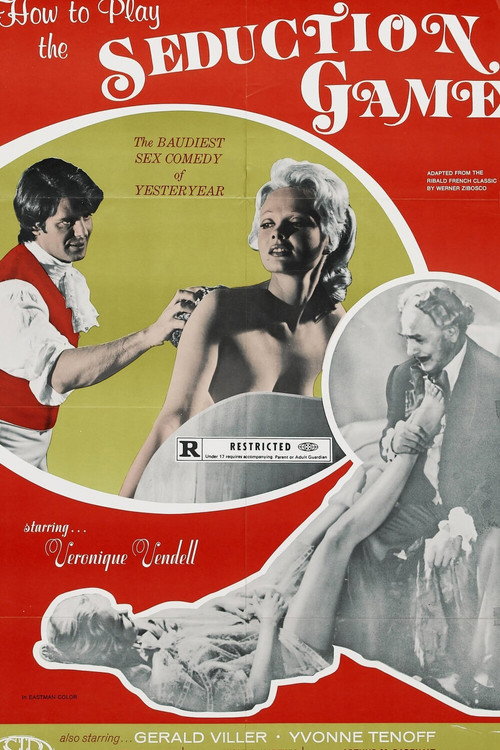
1970
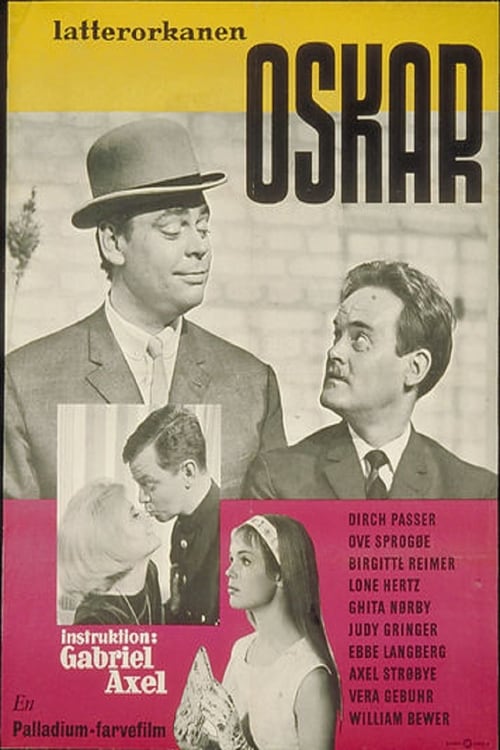
1962
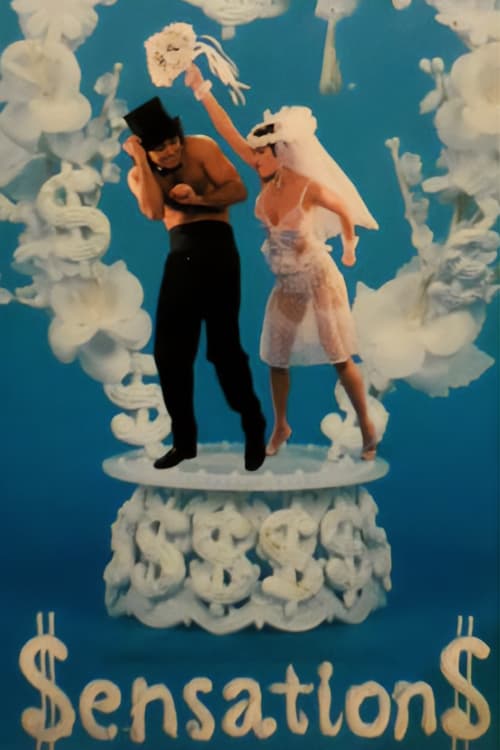
1987
No reviews yet. Be the first to share your thoughts on this movie!
Use the rating form above to leave a star rating and optional review.