The Blue Umbrella
2007
No user ratings available yet
Representation score: 6.5 out of 10
Representation Score
Fair
2013
Director
Andrea Segre
Runtime
104 minutes
Average Rating
No ratings yetNew Showbiz Analysis
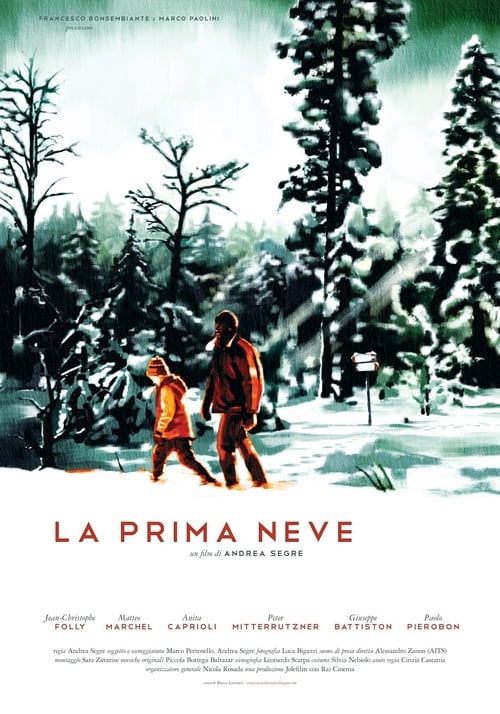
La prima neve is a naturalist drama that uses the isolating Dolomites landscape to explore the tension between local structures and transient populations. It avoids melodrama, opting for an observational study of socioeconomic disparity. The film's main strength lies in its sophisticated handling of racial and socioeconomic diversity. By integrating a diverse cast of seasonal workers into the economic fabric of the setting, it avoids including someone from a minority group without giving them real depth and offers a nuanced look at the migrant labor force. However, the film lacks breadth in other areas of representation. It provides limited narrative space for LGBTQ+ identities or disability-focused arcs, remaining focused on the immediate realities of labor and grief.
Category Breakdown
The film does not prominently feature LGBTQ+ narratives or non-cisgender identities. Character studies focus on family grief and migrant survival rather than queer themes.
Gender dynamics are explored through shared hardships and communal living. While avoiding submissive stereotypes, the narrative focuses mainly on traditional labor roles.
The film stands out by highlighting the migrant experience. It pairs a local child with a boy from Togo, disrupting the homogeneity of the mountain setting.
The narrative subtly critiques the seasonal labor economy. It uses realism to highlight the tension between the tourism industry and migrant workers.
There is no significant use of visible or invisible disabilities as central plot devices or character traits.
Present on Screen
Limited or Absent
Official Synopsis
Michele is eleven years old and lives in a small town in the mountains of Trento, with his mother and his paternal grandfather Pietro; his father has recently died. The boy’s pain meets that of Dani, a boy from Togo, who is a total ‘stranger’ to that place covered in snow which he has never seen before in his life.
2007
2002
2017
2011
2020
2014

2013
1998
No reviews yet. Be the first to share your thoughts on this movie!
Use the rating form above to leave a star rating and optional review.