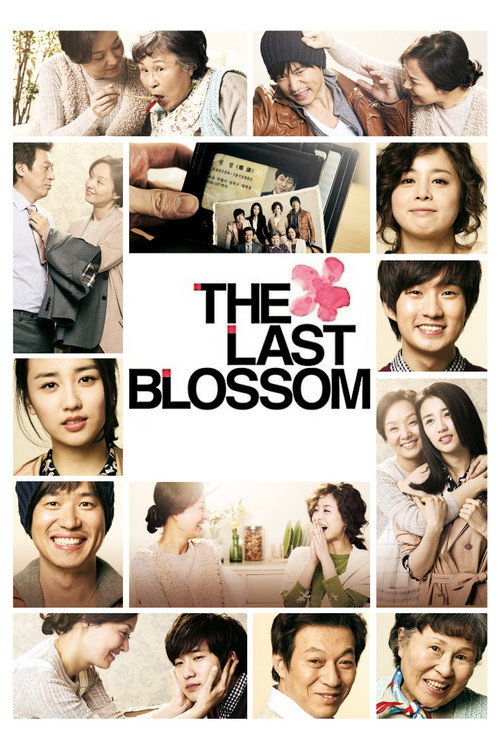
The Last Blossom
2011
No user ratings available yet
Representation score: 5.6 out of 10
Representation Score
Fair
2010
Director
Kwon Hyung-jin
Runtime
109 minutes
Average Rating
No ratings yetNew Showbiz Analysis
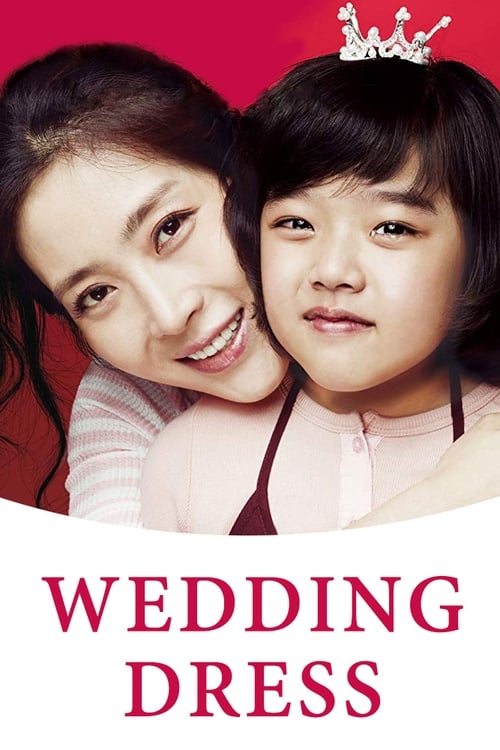
Wedding Dress is a character-driven drama centered on the resilience of a single mother facing terminal cancer. The film's strength lies in its portrayal of a woman's active role in shaping her daughter's future and navigating her illness. However, the narrative scope appears limited. While it provides a meaningful look at maternal responsibility and single parenthood, it lacks explicit representation of diverse identities or LGBTQ+ themes.
Category Breakdown
The film does not include any LGBTQ+ characters or narratives. The main storyline revolves around a maternal bond without addressing assumptions about straight relationships or queer identities.
The protagonist actively shapes her daughter's future as a single mother. She is not portrayed as a passive victim of her terminal illness.
As a South Korean production, the film presents a non-Western perspective. It offers a non-Anglo-Saxon viewpoint on family and mortality within its cultural context.
The story examines the breakdown of traditional family units through the lens of mortality. It focuses on single-parent survival rather than traditional Confucian family structures.
The protagonist's terminal cancer serves as a central physical and existential disability. The story highlights her ability to manage her life despite her condition.
Present on Screen
Limited or Absent
Official Synopsis
When a single mother learns that she has terminal cancer, she prepares her young daughter to live without her, while saying goodbye to others around her.
2011
2005
2017
2002
2018
2001

2016
2020
No reviews yet. Be the first to share your thoughts on this movie!
Use the rating form above to leave a star rating and optional review.