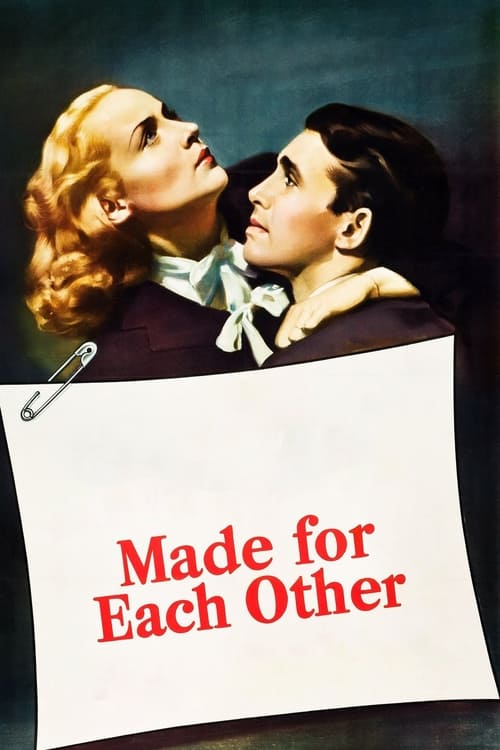
Made for Each Other
1939
No user ratings available yet
Diversity score: 3.1 out of 10

1938
ApprovedDirector
Busby Berkeley
Runtime
69 minutes
Average Rating
No ratings yetSynopsis
Linda works at an advertising agency, but, unlike the other women in the secretarial pool, she hopes to succeed in the business rather than just find a husband. She rises through the ranks, becoming a copywriter, and attracts the attention of Jimmy, an amorous coworker who wants to marry her. But Jimmy is jealous of Linda's career and of Harry, a radio executive who works with Linda, and their marriage gets off to a very rough start.
Overall Score
Limited
Category Breakdown
LGBTQ+ Representation
The film lacks LGBTQ+ characters or narratives addressing non-cisnormative identities. The central conflict is framed entirely through a heterosexual romantic lens.
Gender Representation
Linda disrupts 1930s archetypes by rising from a secretary to a professional copywriter. The plot critiques male insecurity as characters struggle to reconcile her career with traditional domestic roles.
Racial & Ethnic Diversity
The narrative likely centers on a homogeneous white cast typical of 1930s studio comedies. There is no evidence of diverse character depth or color-blind casting.
Religious & Cultural Diversity
The story explores the friction between individual ambition and social institutions like marriage. It subtly challenges the stability of the nuclear family unit within a corporate setting.
Disability Representation
There is no information regarding the inclusion of characters with physical or neurodivergent disabilities.
Strengths
Areas for Improvement
AI Analysis
The film offers a focused look at gendered professional ambition, providing a progressive glimpse into female autonomy during the 1930s. Linda's trajectory from the secretarial pool to a position of authority provides a meaningful critique of workplace hierarchies. However, the film lacks intersectional depth. It remains confined to a traditional social framework, offering no representation for LGBTQ+ identities, diverse racial backgrounds, or characters with disabilities. Ultimately, while it challenges gendered tropes, the narrative is limited by the era's standard lack of broader social diversity.
1939
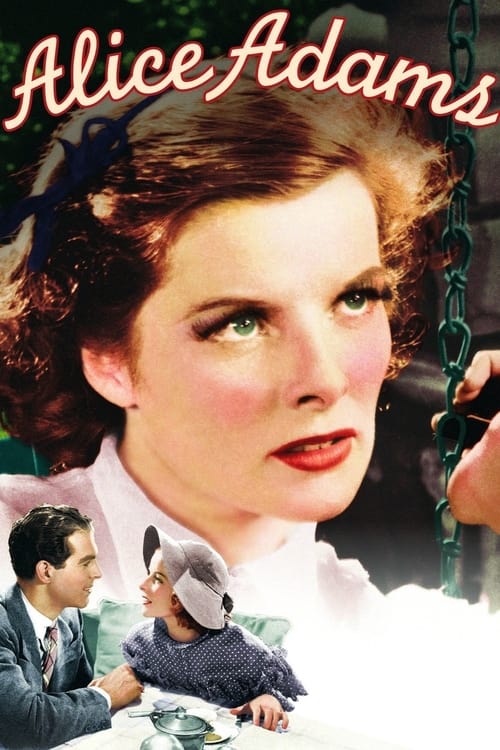
1935
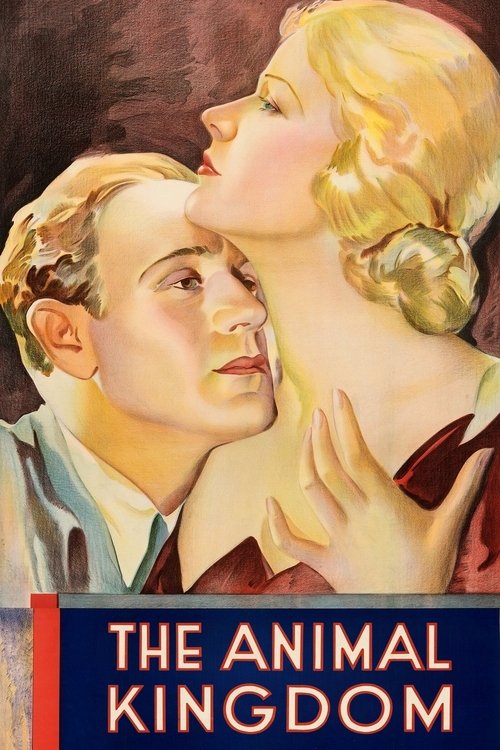
1932

1923
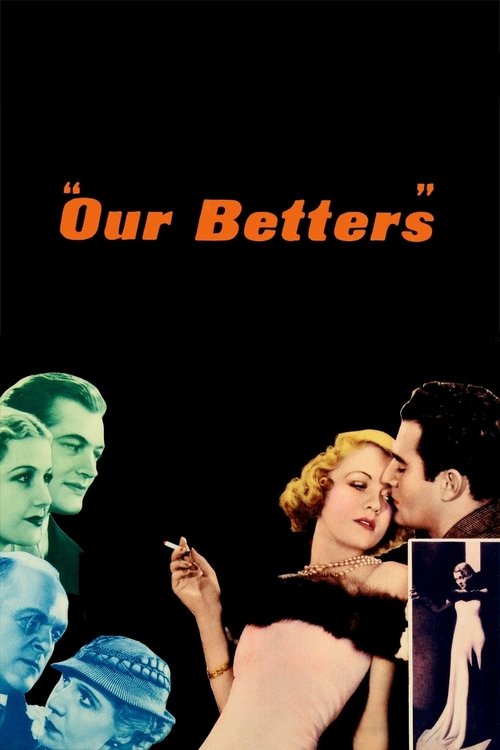
1933
1931
1932
1938
1929
1933

1933
1936
No reviews yet. Be the first to share your thoughts on this movie!
Use the rating form above to leave a star rating and optional review.