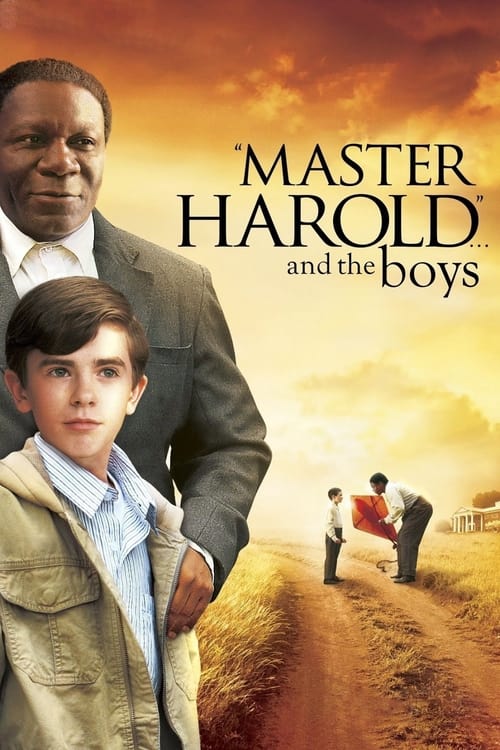
Master Harold... and the Boys
2010
No user ratings available yet
Representation score: 3.9 out of 10
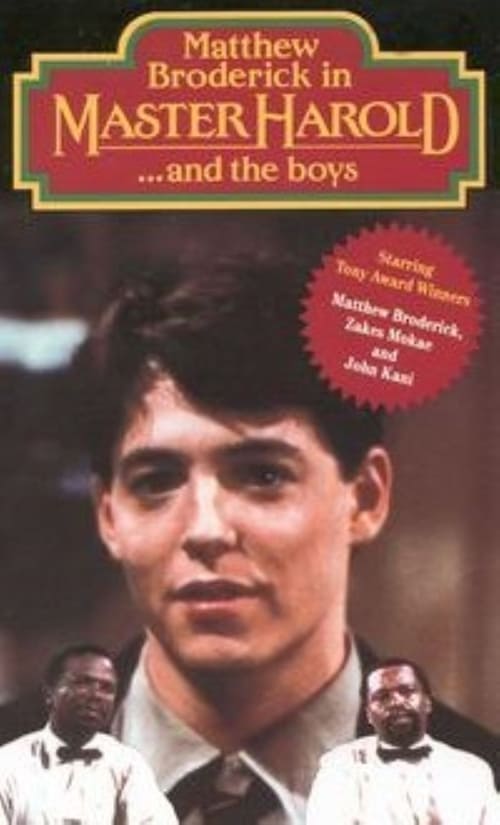
Representation Score
Good
1985
Not RatedDirector
Michael Lindsay-Hogg
Runtime
89 minutes
Average Rating
No ratings yetNew Showbiz Analysis
The film excels as a profound deconstruction of racial hierarchy and systemic oppression. By centering the ability to act of Black characters within an apartheid-era framework, it successfully disrupts colonial narratives and provides meaningful representation for people of color. However, the narrative architecture is heavily skewed toward male interactions. This focus, combined with a total absence of LGBTQ+ identities and minimal female presence, significantly lowers the overall diversity score despite the film's thematic depth. Ultimately, the work is a sophisticated critique of institutionalized prejudice, using identity-based power struggles to dismantle the perceived legitimacy of the era's social institutions, even if its scope remains narrow in other demographic areas.
Category Breakdown
The narrative focuses exclusively on racial and generational dynamics. There are no LGBTQ+ characters or non-straight relationships within the central storyline.
The film centers on male interactions, making gender-based power struggles secondary to racial and class issues. The absence of female characters limits the representation of gender roles.
The film deconstructs racial hierarchy by highlighting the dignity and ability to act of Black characters. It uses the tension between the white protagonist and Black workers to expose systemic oppression.
The story critiques the South African social order and challenges the morality of the state. It prioritizes a post-colonial perspective, framing the status quo as a corrupt system.
A physically handicapped father contributes to domestic instability. The portrayal avoids inspirational clichés, instead integrating the condition into themes of systemic and familial decay.
Present on Screen
Limited or Absent
Official Synopsis
When Harold, a young white man, learns that his alcoholic, handicapped father is returning home, his frustration turns into racist viciousness against the two black men who work for the family.
2010
1990
1962
1965
2009
1950
1993

1989
No reviews yet. Be the first to share your thoughts on this movie!
Use the rating form above to leave a star rating and optional review.