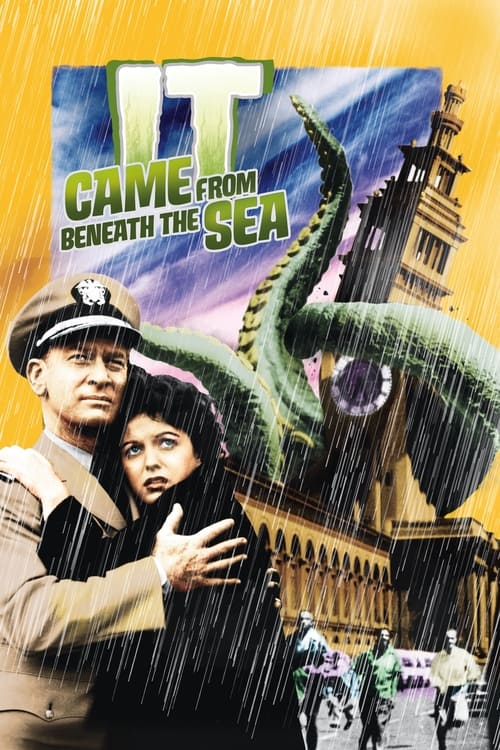
It Came from Beneath the Sea
1955
No user ratings available yet
Representation score: 0.5 out of 10
Representation Score
Limited
1970
GDirector
Ishirō Honda
Runtime
84 minutes
Average Rating
No ratings yetNew Showbiz Analysis
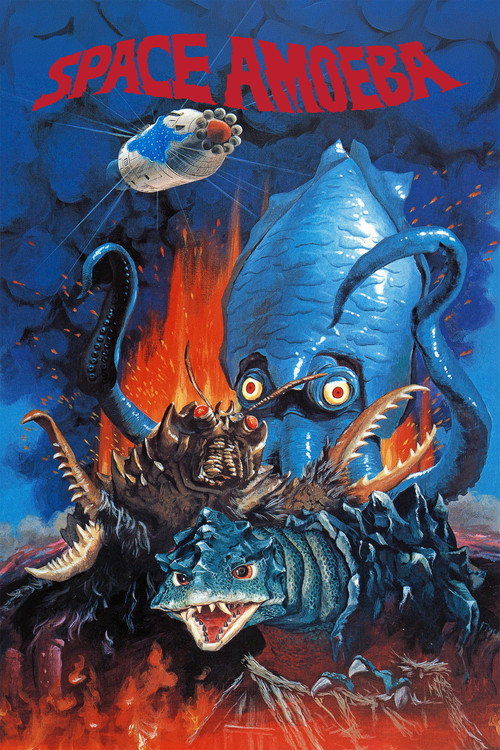
Space Amoeba is a genre-driven spectacle that prioritizes ecological and biological transformations over social identity. Directed by Ishirō Honda, the film examines the consequences of human and alien interactions with nature but does not intentionally engage with progressive social narratives. The film's diversity is constrained by its emphasis on creature effects and environmental disaster. By focusing on non-human entities, it avoids human-centric social hierarchies, but this does not translate into a structured critique of societal or political systems. Ultimately, the film operates as a cautionary tale about the risks of scientific intrusion. It offers a subtle perspective through its focus on environmental vulnerability rather than the representation of diverse human identities.
Category Breakdown
The film does not include any characters or stories related to LGBTQ+ identities. Its focus is on the biological and parasitic elements typical of 1970s science fiction.
The narrative emphasizes the spectacle of large monsters and biological processes over character development. It does not significantly challenge traditional gender roles or power structures.
Set in a Pacific atoll, the film provides a non-Western backdrop but primarily uses it as a setting for the spectacle of indigenous creatures. There is little exploration of ethnic ability to act or cultural dynamics.
The storyline focuses on themes of invasion and disruption of ecosystems by external forces. It serves as a cautionary tale about the dangers of extraterrestrial interference with the natural world.
There is no indication of the portrayal of physical or neurodivergent disabilities in the film. The narrative centers on the physiological mutations of the monsters rather than human conditions.
Present on Screen
Limited or Absent
Official Synopsis
When a space probe crash-lands on a far-flung Pacific atoll, the craft's alien stowaways decide to take over their new world one creature at a time. Soon, the parasitic life forms latch onto three indigenous critters -- a squid, a crab and a snapping turtle -- and transform them into colossal mutant monsters.
1955
1968
1967
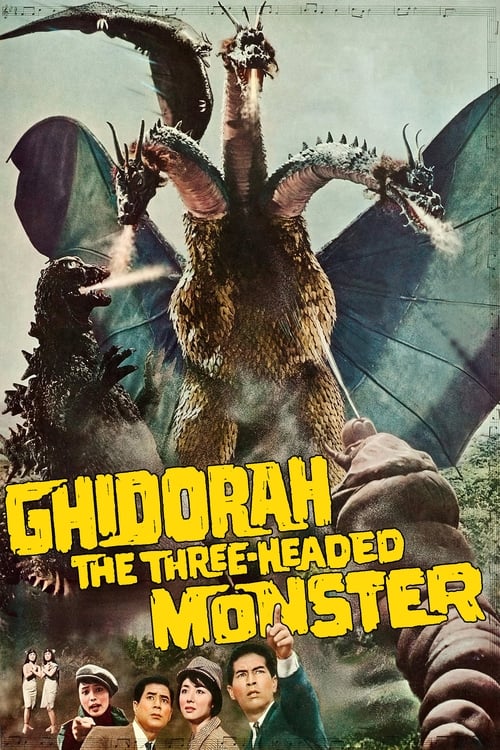
1964
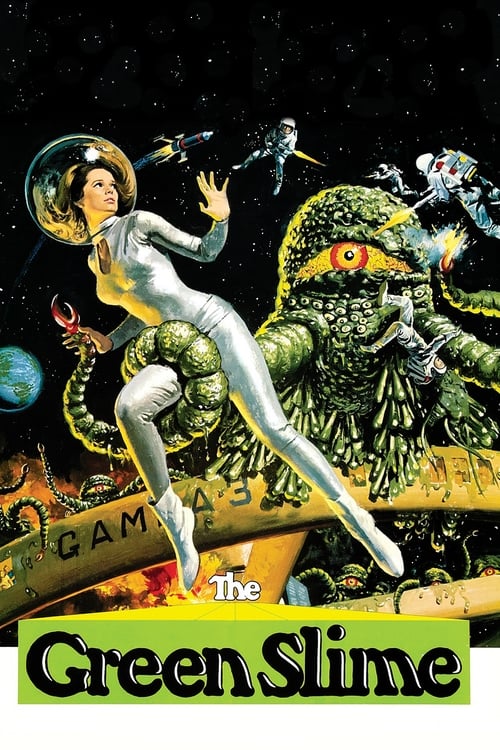
1968
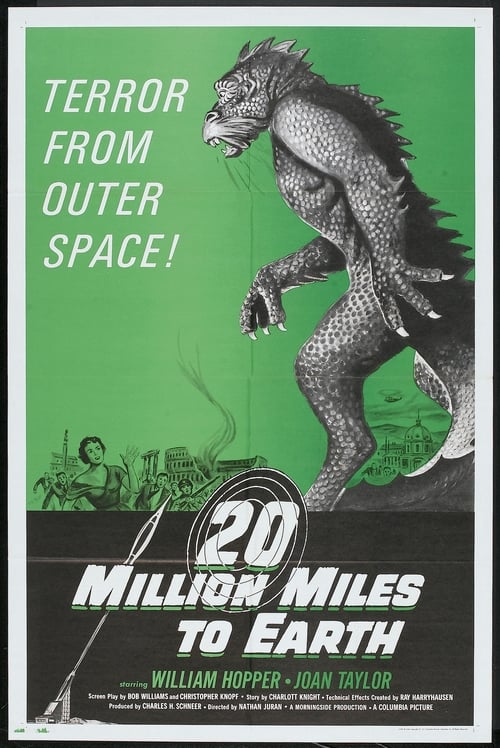
1957

1958
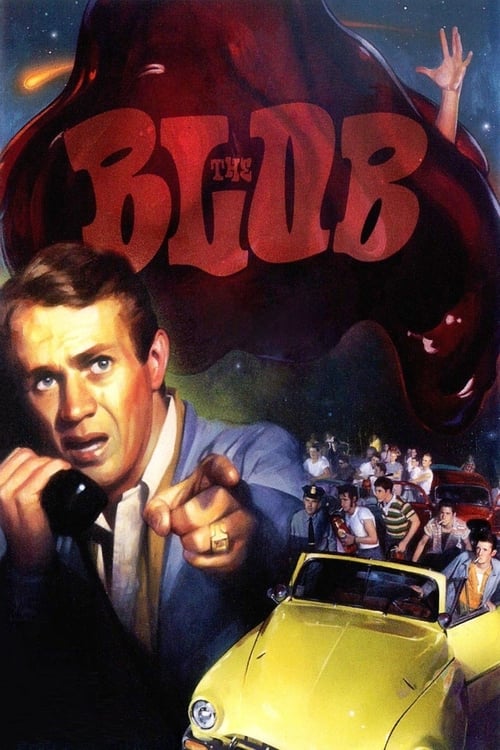
1958
No reviews yet. Be the first to share your thoughts on this movie!
Use the rating form above to leave a star rating and optional review.