
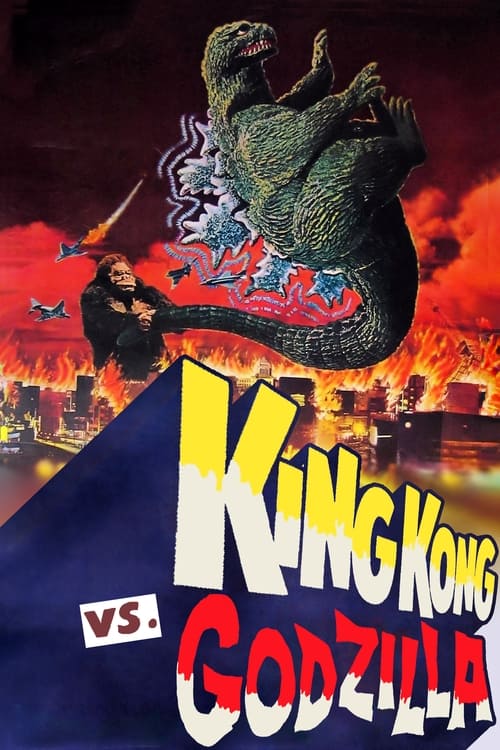
King Kong vs. Godzilla
1963
No user ratings available yet
Representation score: 0.7 out of 10
Representation Score
Minimal
1962
NRDirector
Ishirō Honda
Runtime
97 minutes
Average Rating
No ratings yetNew Showbiz Analysis
King Kong vs. Godzilla is a mid-century spectacle that prioritizes action involving giant creatures over exploring social issues. The film highlights institutional responses to disasters, focusing on military and government entities managing large-scale destruction. The production leans heavily on traditional hierarchies, presenting a world where the main drivers of the plot are military and government figures. Ultimately, the film serves as a spectacle of institutional stability, lacking the diversity needed to address a broad range of human experiences.
Category Breakdown
The film does not include any LGBTQ+ characters or themes, sticking to the assumption that everyone is straight or cisgender.
The film emphasizes male leadership and decision-making, reinforcing traditional gender hierarchies.
The cast is mostly uniform, reflecting the demographics of Japan during that time. The film does not intentionally include diverse backgrounds.
The story centers on maintaining social order and the effectiveness of state institutions, depicting the struggle of established systems to retain control.
The film does not depict any significant physical or neurodivergent disabilities, presenting characters as able-bodied members of the state or scientific community.
Present on Screen
Limited or Absent
Official Synopsis
The advertising director of Pacific Pharmaceuticals, frustrated with the low ratings of their sponsored TV program, seeks a more sensationalist approach. He orders his staff to Faro Island to capture King Kong for exploitation. As Godzilla re-emerges, a media frenzy generates with Pacific looking to capitalize off of the ultimate battle.
1963

1964

1967
1961

1964
1933

1975
1956
No reviews yet. Be the first to share your thoughts on this movie!
Use the rating form above to leave a star rating and optional review.