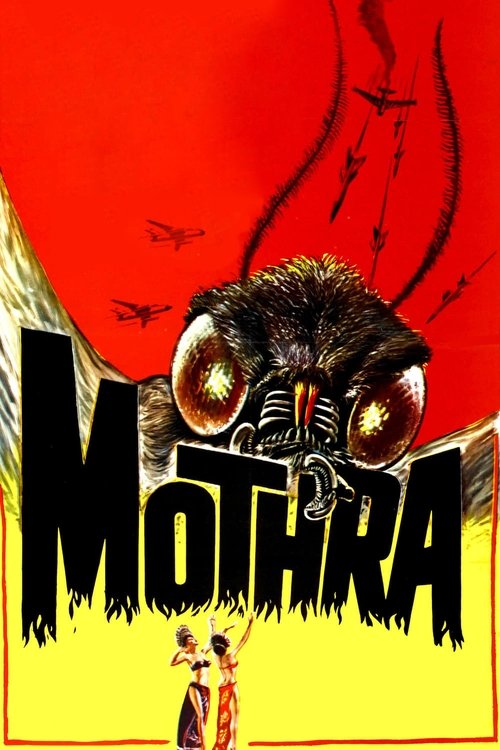
Mothra
1961
No user ratings available yet
Representation score: 2.4 out of 10
Representation Score
Fair
1964
Not RatedDirector
Ishirō Honda
Runtime
89 minutes
Average Rating
No ratings yetNew Showbiz Analysis
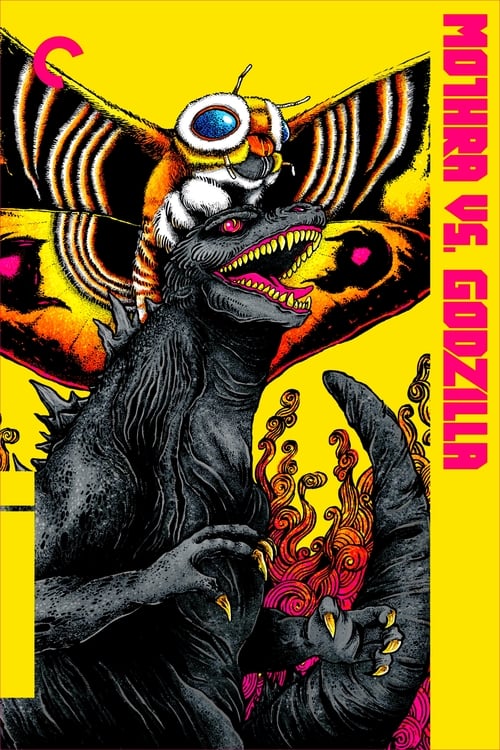
Mothra vs. Godzilla functions as a critique of industrial encroachment. It challenges the standard monster movie formula by presenting human technological interference as the cause of ecological instability. The film highlights non-Western spiritual authority over traditional technological hierarchies. While the human cast remains largely conventional and homogeneous, the narrative grants a significant role in driving the story to the Shobijin priestesses. These priestesses act as essential keepers of wisdom, subverting typical gender roles of the era. The film's strength lies in its anti-industrialist stance. By framing capitalistic pursuits as sources of systemic collapse, it offers a meaningful commentary on the tension between traditional ecosystems and modern expansionism.
Category Breakdown
The film lacks LGBTQ+ characters or narratives. Character dynamics stay within the traditional social frameworks of the 1960s.
The Shobijin priestesses play a crucial role in the film, holding significant spiritual authority. However, male figures continue to dominate the scientific and military sectors.
Infant Island serves as a symbolic space for non-Western, mythological identities, offering a counter-narrative to the rapid, homogenizing modernization of the time.
The film criticizes industrial capitalism by portraying greedy entrepreneurs as disruptive forces. It emphasizes ecological spirituality over technological dominance.
No characters with visible or invisible disabilities are central to the narrative. No such depictions appear in the film's context.
Present on Screen
Limited or Absent
Official Synopsis
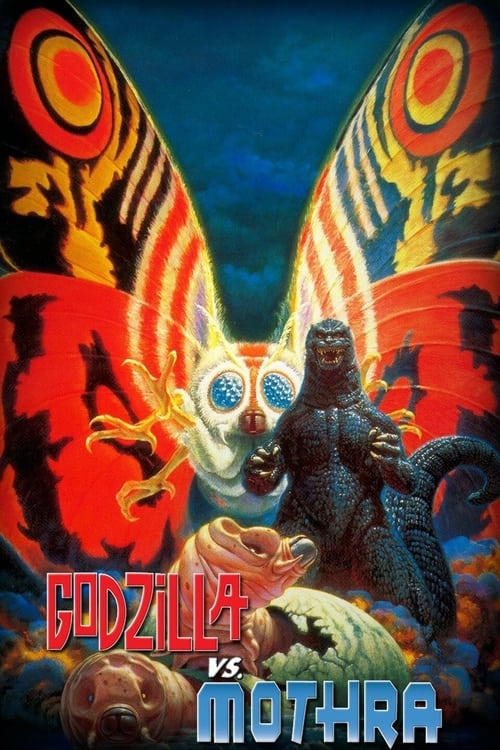
Journalists Ichiro Sakai and Junko cover the wreckage of a typhoon when an enormous egg is found and claimed by greedy entrepreneurs. Mothra's fairies arrive and are aided by the journalists in a plea for its return. As their requests are denied, Godzilla arises near Nagoya and the people of Infant Island must decide if they are willing to answer Japan's own pleas for help.
1961
1964
1962
1956
1992

1958
1975

1956
No reviews yet. Be the first to share your thoughts on this movie!
Use the rating form above to leave a star rating and optional review.