Beyond Baghdad
2004
No user ratings available yet
Representation score: 6.7 out of 10
Representation Score
Fair
2014
TV-MADirector
Martin Smith
Runtime
54 minutes
Average Rating
No ratings yetNew Showbiz Analysis
The documentary operates as a geopolitical autopsy, prioritizing ethnographic accuracy and structural analysis. Its main strength lies in avoiding a uniform view of the Middle East, using a post-colonial perspective to highlight complex ethnic and religious tensions. However, the film does not specifically address subverting social norms. It lacks intentional focus on LGBTQ+ narratives or studies on disability ability to act, as the subject matter remains centered on large-scale state collapse and extremist governance. Ultimately, the work succeeds in offering a sophisticated critique of Western institutional effectiveness and the systemic consequences of historical border-drawing, even while serving primarily as a witness to traditional gender hierarchies.
Category Breakdown
The documentary does not focus on LGBTQ+ identities or narratives. It does not include explicit queer stories or critiques of the assumption that everyone is straight or cisgender, concentrating instead on large-scale geopolitical movements and state-level collapse.
The film highlights the subjugation of women under ISIS rule as a key element of extremist ideology. It serves as a witness to systemic violence and radicalized gender roles but does not deconstruct these issues.
The film stands out by centering Sunni, Shia, and Kurdish voices to break down monolithic Middle Eastern stereotypes. It gives high ability to act to local residents and refugees, looking at how colonial borders contributed to instability.
The documentary examines the breakdown of traditional state authority and the rejection of Western political norms. It critiques Western geopolitical dominance and the failure of Western-imposed political structures.
The film captures the physical and psychological trauma of war, but does not intentionally tell stories about neurodivergence or visible disabilities. Depictions of injuries are part of documenting the conflict.
Present on Screen
Limited or Absent
Official Synopsis
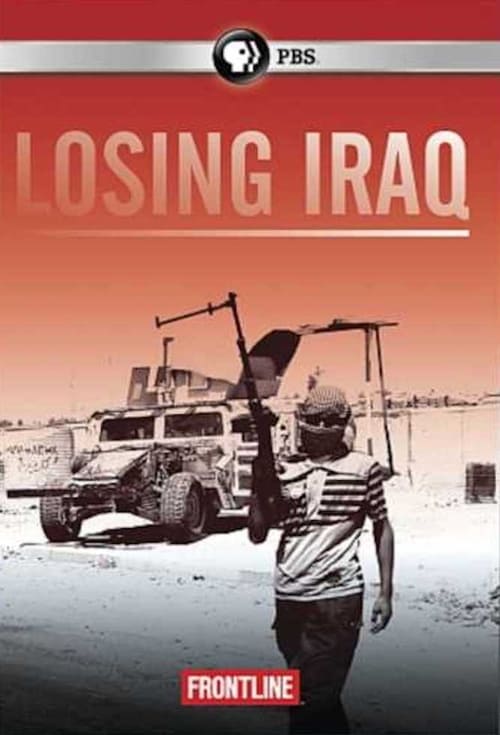
FRONTLINE investigates the miscalculations and mistakes behind the brutal rise of ISIS. Correspondent Martin Smith, who made "Truth, War & Consequences," "Beyond Baghdad," "Private Warriors" and "Gangs of Iraq," reports from Iraq on how the country began coming undone after the American withdrawal and what it means for the U.S. to be fighting there again.
2004
2012
2016
2019
2014
2005
2017
2012
No reviews yet. Be the first to share your thoughts on this movie!
Use the rating form above to leave a star rating and optional review.