West Point on the Hudson
1942
No user ratings available yet
Diversity score: 0.9 out of 10
1957
ApprovedRuntime
15 minutes
Average Rating
No ratings yetSynopsis
This RKO-Pathe short film produced with the assistance of the United States Air Force is about the construction of the DEW Line, the Distant Early Warming System, a string of radar stations built across Alaska and the Canadian north as part of NORAD, the North American Air Defense Command. These are isolated outposts, many of which are only accessible by air. Buildings, roads and landing strips had to be built from scratch. There's a visit to Barrow Village, Alaska the most northern point of US territory.
Overall Score
Minimal
Category Breakdown
LGBTQ+ Representation
The film contains no depiction of LGBTQ+ identities or non-heteronormative relationships. The narrative focuses strictly on military personnel and technical laborers within a 1950s social framework.
Gender Representation
Gender roles follow traditional mid-century hierarchies. Agency is attributed to male workers, while women occupy peripheral or domestic roles, reinforcing a patriarchal structure through physical labor and military discipline.
Racial & Ethnic Diversity
Indigenous populations in Barrow Village are viewed through a colonial lens. While present, they are subjects of observation rather than active participants in the technological developments shown.
Religious & Cultural Diversity
The film promotes Western institutionalism and American technological superiority. It celebrates industrial expansion and national defense without offering any critique of Western hegemony or moral relativism.
Disability Representation
There is no visible or invisible disability representation. Subjects are portrayed solely through the lens of physical capability and industrial utility, reflecting the era's focus on the ideal worker.
Strengths
Areas for Improvement
AI Analysis
Polar Outpost functions as a technical and patriotic chronicle of Cold War military infrastructure. It prioritizes the logistical feats of the DEW Line over any exploration of human diversity or social complexity. The documentary reinforces 1950s institutional norms, centering on a homogeneous group of male engineers and Air Force personnel. This focus on state-sponsored progress effectively excludes marginalized perspectives. Ultimately, the film serves as a period-specific artifact of American nationalism. It emphasizes industrial conquest and national security, leaving no room for intersectional representation or diverse social identities.
1942
1949

1949

1948
1940
1948

1944
1940
1944
1944
1898
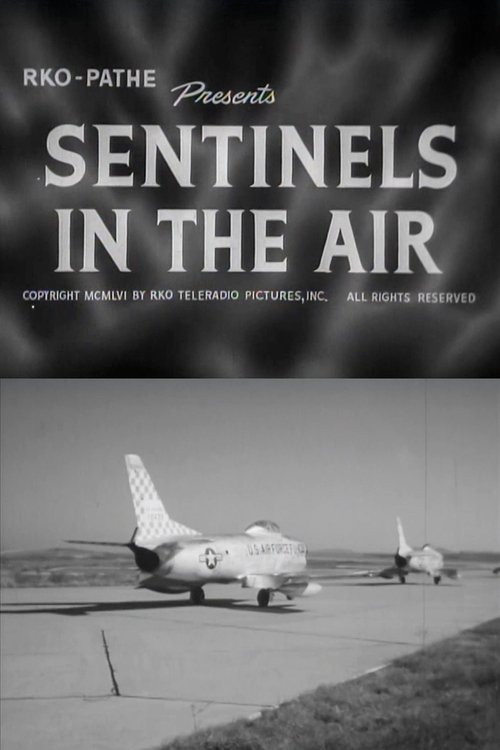
1956
No reviews yet. Be the first to share your thoughts on this movie!
Use the rating form above to leave a star rating and optional review.