Eyes of the Navy
1940
No user ratings available yet
Representation score: 0.2 out of 10
Representation Score
Minimal
1942
ApprovedDirector
James A. FitzPatrick
Runtime
9 minutes
Average Rating
No ratings yetNew Showbiz Analysis
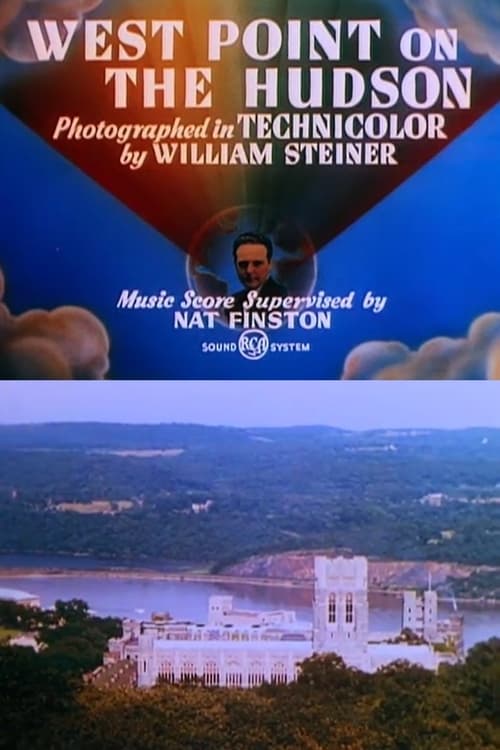
West Point on the Hudson serves as a period-specific observational record of a highly traditional American institution. It documents the academy's strategic importance and the training of cadets during a time of national mobilization. The film reinforces existing social hierarchies rather than challenging them. By focusing on military discipline and patriotic duty, the narrative maintains a singular demographic focus that aligns with the institutional standards of 1942. Ultimately, the documentary presents a vision of national defense rooted in historical continuity and established Western structures, offering little to no representation outside of a homogeneous masculine and racial identity.
Category Breakdown
The documentary focuses on military mobilization and does not include any LGBTQ+ characters. It adheres strictly to the social norms of 1942.
The film centers on a male-only institution, reinforcing traditional gender roles. It documents the preparation of male soldiers for wartime service.
The film depicts a largely homogeneous white cast of cadets and instructors. It reflects the lack of diversity in elite military institutions of the era.
The narrative celebrates Western institutional stability and patriotism. It emphasizes discipline, hierarchy, and duty to the state through a traditional lens.
The footage focuses on the physical training and marching capabilities of cadets. No individuals with visible or invisible disabilities are included.
Present on Screen
Limited or Absent
Official Synopsis
This Traveltalk series short visits the United States Military Academy at West Point just before America's entry into World War II. It starts with a short history lesson on the area's strategic importance in the Revolutionary War. We then get a look at some of the historic buildings on the campus. New soon-to-be-cadet arrive by train on their first day. After a look at the troops in some of the training areas on the post, the film ends with cadet marching on the parade ground.
1940
1942
1971

2011
1941

1941
1941
1898
No reviews yet. Be the first to share your thoughts on this movie!
Use the rating form above to leave a star rating and optional review.