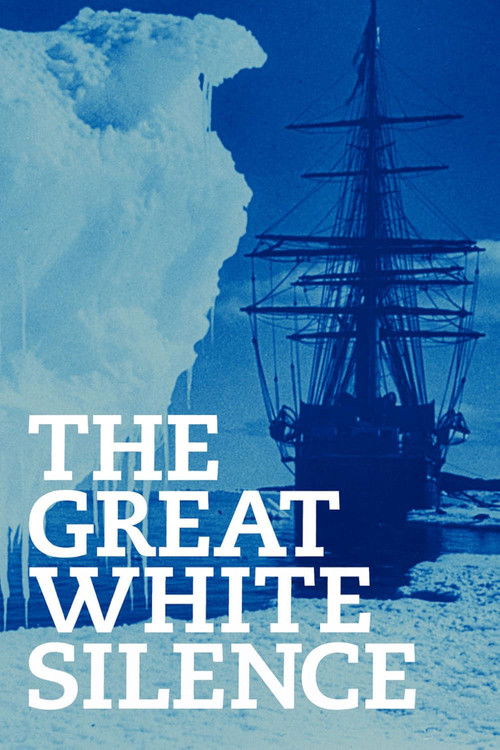
The Great White Silence
1924
No user ratings available yet
Representation score: 0.2 out of 10

Representation Score
Minimal
1948
ApprovedDirector
Orville O. Dull
Runtime
71 minutes
Average Rating
No ratings yetNew Showbiz Analysis
The Secret Land serves as a historical record of Operation High Jump, prioritizing archival and journalistic documentation over narrative storytelling. Produced by military photographers to document a specific naval mission, it lacks intentionality regarding social representation. The film reinforces mid-century systemic structures, emphasizing masculine leadership and nationalistic achievement. It functions as a celebration of state-sponsored logistical and scientific success rather than a medium for social critique. Ultimately, the work reflects the institutional norms of the era, without engaging with multi-layered themes or deconstructing social hierarchies present in the 1940s U.S. Navy.
Category Breakdown
The film focuses entirely on a massive military expedition involving over 4,000 men. There are no characters or narratives addressing LGBTQ+ identities.
The narrative is defined by a homogeneous masculine environment. Leadership follows a traditional male hierarchy, with no evidence of women's ability to drive the story or subversion of gender roles.
The documentary reflects the demographic homogeneity of mid-century military institutions. It lacks racial diversity in leadership and specialized roles within the expedition.
The film celebrates Western institutional capability and U.S. Navy prowess. It reinforces traditional values of patriotism and organized military structure through its documentation.
The content centers on the physical rigors of Antarctic exploration and scientific goals. There is no representation of visible or invisible disability.
Present on Screen
Limited or Absent
Official Synopsis
This documentary, filmed entirely by military photographers, recounts the U.S. Navy's 1946-47 expedition to Antarctica, known as Operation High Jump. The expedition was under the overall command of Admiral Richard E. Byrd, no stranger to the Antarctic. This was a large undertaking involving 13 ships and over 4000 thousand men. The fleet departed from Norfolk, Virginia traveling through the Panama canal and then southward to their final destination. The trip through the ice pack was fraught with danger and forced the submarine that was part of the fleet to withdraw. The trip was a success meeting all of its scientific goals.
1924
2007
1935
1955
2001
1957
1919

1933
No reviews yet. Be the first to share your thoughts on this movie!
Use the rating form above to leave a star rating and optional review.