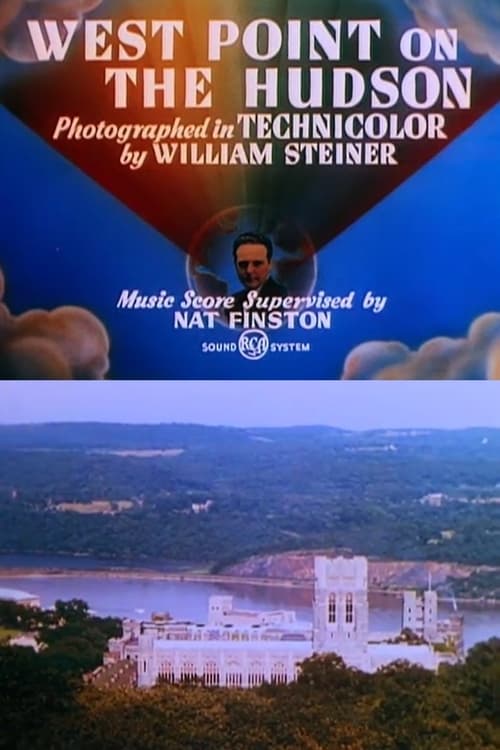
West Point on the Hudson
1942
No user ratings available yet
No diversity score available

1944
ApprovedDirector
James A. FitzPatrick
Runtime
9 minutes
Average Rating
No ratings yetSynopsis
This Traveltalk series short visits various places around the United States. At the first stop, we admire the natural beauty of Crater Lake in Oregon. The next stop is the open pit copper mine at Bingham Canyon, Utah, the world's largest copper mine. We then spend time in Hannibal, Missouri, the hometown of author Mark Twain. After a short visit to a log-rolling contest in Washington State, we cross the country to get a view of Washington, DC from across the Potomac River. The final stop on this tour is Arlington National Cemetery, where we see the Tomb of the Unknown, Arlington House, and the mast of the USS Maine, which was sunk in 1898 in Havana Harbor.
Overall Score
Minimal
Category Breakdown
LGBTQ+ Representation
The film contains no discernible LGBTQ+ characters or narratives. The focus on landscapes and industrial sites provides no framework for exploring non-heteronormative identities.
Gender Representation
Representation is minimal and adheres to traditional social constraints. The film features masculine-coded activities like log-rolling but lacks meaningful gendered character development or agency.
Racial & Ethnic Diversity
The film emphasizes American exceptionalism through vast territories and industrial achievements. It reinforces a traditional, mid-century view of national identity without centering non-white agency.
Religious & Cultural Diversity
The narrative is rooted in traditional Western institutions and patriotism. It celebrates established American structures and military history rather than offering any cultural critique.
Disability Representation
There is no visible or documented representation of disability. The film prioritizes natural sublimity and industrial scale over the portrayal of neurodivergence or physical disability.
Strengths
Areas for Improvement
AI Analysis
Wandering Here and There serves as a mid-century topographical survey, prioritizing scenery and industrial scale over human narrative. Because the film functions as a travelogue of landmarks and monuments, it lacks the character-driven depth necessary to explore complex social identities or interpersonal dynamics. The documentary reinforces a traditionalist view of American identity. By focusing on sites like Bingham Canyon and Arlington National Cemetery, the film emphasizes national continuity and institutional stability rather than social diversity. Ultimately, the work acts as a historical artifact of its era. It seeks to showcase American prowess and natural beauty through a homogeneous lens, offering little to no engagement with diverse social hierarchies.
1942
1940

1944

1944

1951

1944

1944
1946

1949
1946

1944
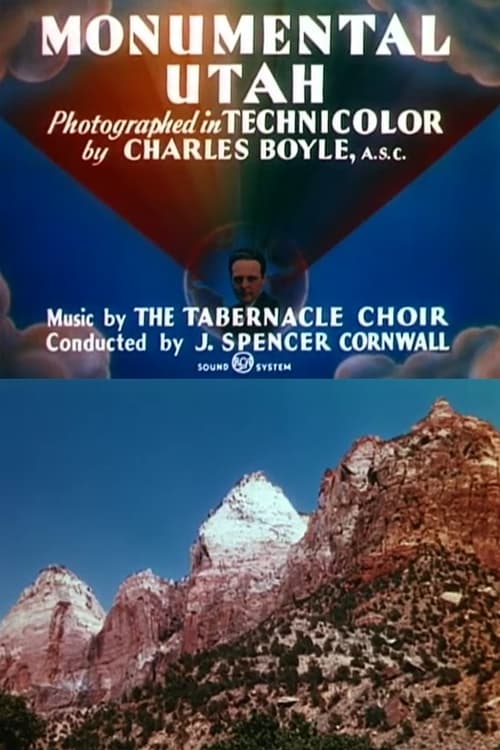
1944
No reviews yet. Be the first to share your thoughts on this movie!
Use the rating form above to leave a star rating and optional review.