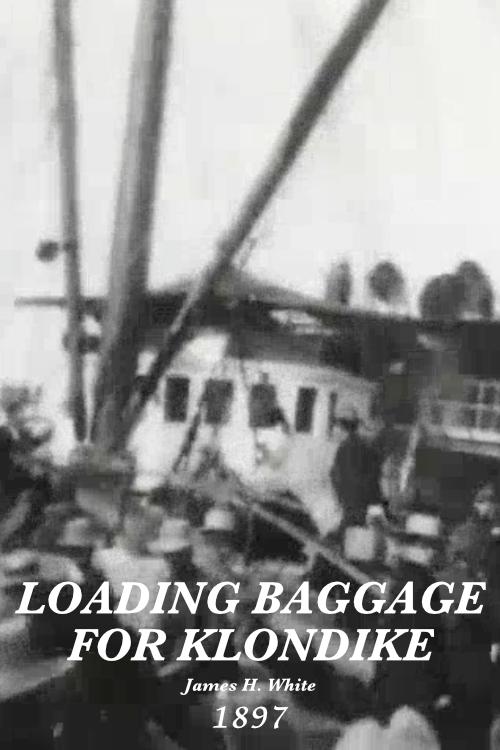
Loading baggage for Klondike, no. 6
1897
No user ratings available yet
Representation score: 0.6 out of 10
Representation Score
Minimal
1898
Director
Thomas Crahan
Runtime
1 minutes
Average Rating
No ratings yetNew Showbiz Analysis
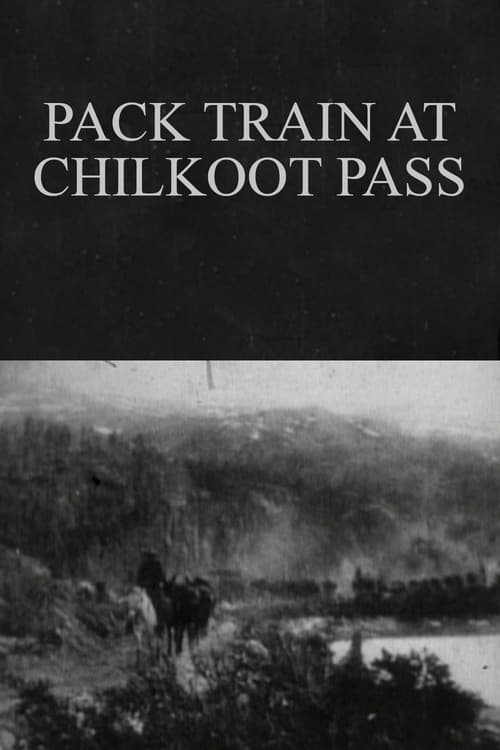
This 1898 documentary serves as a historical record of the Alaska Gold Rush, capturing the logistics of a pack train moving through the Chilkoot Pass. It reflects the social structures of the late 19th century, focusing on ethnographic and topographical observations. As a non-narrative observation of labor, the film lacks the complexity needed for modern inclusive representation or challenging social norms. Ultimately, it presents a traditional and narrow view of the era’s workforce and gender roles.
Category Breakdown
The film does not depict any LGBTQ+ identities or intimate relationships between characters. There is also no development of non-straight or non-cisgender characters.
The film features mostly male characters involved in cowboy activities. It portrays traditional masculinity without giving women significant roles or ability to act.
The film shows a group of workers who appear to be of similar ethnicity. There are no diverse ethnic groups represented with significant roles.
The film documents the expansion of Western civilization and its economic activities. It focuses on the logistics of the time period without offering a critical look at cultural practices.
There are no characters with visible or invisible disabilities shown in the film.
Present on Screen
Limited or Absent
Official Synopsis
During the Alaska gold rush, one way to reach the Klondike was over the Chilkoot Pass. A stationary camera is placed to see a ways down the curving trail. A pack train comes into view and passes in front of us, led by a man on horseback. Eight loaded mules follow, then another cowboy on horseback and a man walking, then eight more laden mules, another cowboy, then nine more mules, a cowboy, and still the pack train stretches as far as the eye can see. A solitary man watches from atop a hillock.
1897
1899

1957
1897
1897
1899

2021
1897
No reviews yet. Be the first to share your thoughts on this movie!
Use the rating form above to leave a star rating and optional review.