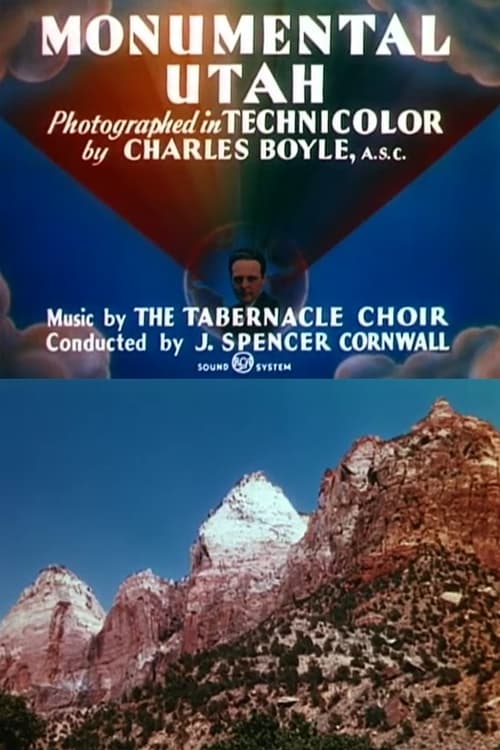
Monumental Utah
1944
No user ratings available yet
Representation score: 1.9 out of 10

Representation Score
Minimal
1944
PassedDirector
James A. FitzPatrick
Runtime
9 minutes
Average Rating
No ratings yetNew Showbiz Analysis
Colorful Colorado serves as a promotional tool from the mid-1940s, designed to boost regional pride and national unity. The documentary relies on traditional Western clichés, emphasizing landmarks, federal oversight, and the romanticized legacy of male pioneers. The film's structure is educational and observational, highlighting the beauty of the landscape and the 'great men' of history. While it touches on Native American history through Mesa Verde, it treats these elements as ethnographic curiosities rather than active cultural stories. Overall, the work reflects the institutional stability and conventional storytelling of 1944. It lacks the complexity and subversion of traditional hierarchies needed for a modern, diverse perspective.
Category Breakdown
There are no LGBTQ+ characters or non-cisgender identities in the film. It follows the straight-centered social norms of the 1940s.
The movie focuses on male historical figures such as Buffalo Bill and Will Rogers. Women play a minor role and have limited influence in the story.
The film acknowledges Native American history through the cave dwellings at Mesa Verde but focuses on the physical remains rather than the current cultural ability to act of Native Americans.
The documentary promotes a traditional view of American identity and patriotism. It highlights Western institutions through tourism and historical reverence.
The film does not include any characters with visible or invisible disabilities. It also does not address disability issues.
Present on Screen
Limited or Absent
Official Synopsis
This Traveltalk series short starts off in Denver, capital of Colorado. Known as a recreational and health center, it is noted for its beautiful parks. The Museum of Natural History has specimens of local animal life. About an hour's drive from Denver on Lookout Mountain is the grave of Col. William Cody, 'Buffalo Bill', known as a scout and a plainsman. In Colorado Springs, there is a monument to the great American humorist Will Rogers who loved the stretches of open country. Much of the mountain area of Colorado is owned by the Federal government as national forest and there are many well stocked trout streams. In Mesa Verde National Park you will find the cave dwellings once used by Native Americans.
1944

1944
1942
1944
1942
1940
1940

1944
No reviews yet. Be the first to share your thoughts on this movie!
Use the rating form above to leave a star rating and optional review.