Hibernation
2017
No user ratings available yet
Representation score: 4.2 out of 10
Representation Score
Fair
1985
Director
Manuela Serra
Runtime
90 minutes
Average Rating
No ratings yetNew Showbiz Analysis
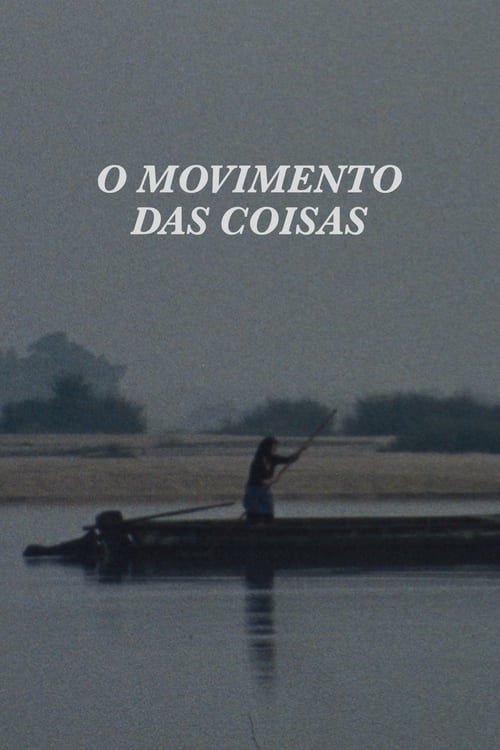
Manuela Serra’s documentary is a reflective study of human presence that avoids high-stakes drama. It replaces traditional dramatic arcs with a temporal observation of three families in a northern village. The film’s strength lies in its nuanced focus on individual perception. By highlighting Isabel’s forward-looking perspective, the work subtly challenges the notion of women as static domestic figures. However, the film remains largely observational and neutral. It avoids overt identity politics or systemic critiques, functioning more as a slice-of-life study than a vehicle for social commentary.
Category Breakdown
The documentary maintains a neutral stance regarding LGBTQ identities. It focuses on the traditional domestic routines of village families without explicitly addressing non-binary or transgender narratives.
Isabel stands out as a forward-thinking figure, looking towards the future. This contrasts with other subjects whose lives are defined by daily survival cycles.
The film documents a specific northern village using an ethnographic approach. Representation is based on the local population rather than a diverse casting strategy.
The film explores existential themes through silence and the passage of time. It favors a secular, contemplative morality over religious dogma or structured societal achievements.
There is no documented evidence regarding the portrayal of physical or neurodivergent disabilities within the film.
Present on Screen
Limited or Absent
Official Synopsis
A picture of daily life punctuated by silence. In a village in the north, the daily routine of three families. Glimpses of Isabel, her eyes turned towards the future; for the others, living is the only meaning of life. The camera freezes moments of life through the movement of things in time, values and silence.
2017

1927
2002

1929
1995
1978

1976

2010
No reviews yet. Be the first to share your thoughts on this movie!
Use the rating form above to leave a star rating and optional review.