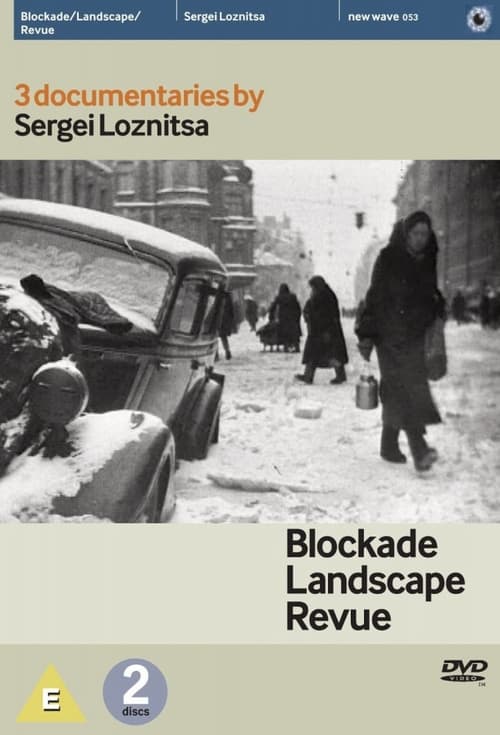
Landscape
2003
No user ratings available yet
Representation score: 3.3 out of 10
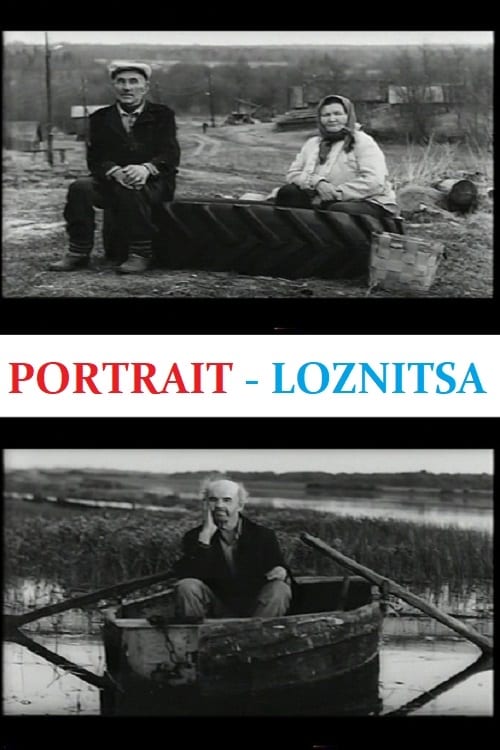
Representation Score
Fair
2002
Director
Sergei Loznitsa
Runtime
28 minutes
Average Rating
No ratings yetNew Showbiz Analysis
Sergei Loznitsa’s documentary excels as a piece of cinematic deconstruction, prioritizing ethnic and cultural authenticity over traditional character-driven drama. By focusing on the post-Soviet rural landscape, the film offers a profound look at systemic stagnation and the dignity of the working class. However, the film lacks explicit representation for LGBTQ+ identities and specific disability narratives. Its minimalist, non-narrative approach means it does not engage with identity-based storytelling in a conventional way. Ultimately, the work is a meditation on existence and labor. It finds its strength in resisting Western narrative structures and providing a raw, unglamorous portrait of a specific regional identity.
Category Breakdown
The film does not include any identifiable LGBTQ+ characters or narratives. Its structure focuses entirely on the collective human experience within a specific geographic setting.
Gender roles are shown through labor and daily routines rather than romantic conflicts. The absence of traditional patriarchal clichés creates a neutral, observational perspective.
The film centers authentic ethnic representation by featuring non-professional subjects from Eastern European and Ukrainian backgrounds. It avoids a Western perspective by emphasizing local, lived realities.
The film highlights those affected by economic changes, critiquing the shift to global capitalism. It emphasizes the dignity of the working class and post-Soviet life.
While not specifically focusing on disability, the film captures the physical toll of labor. It treats physical vulnerability with neutral, observational dignity rather than sensationalism.
Present on Screen
Limited or Absent
Official Synopsis
This movie is a collection of portraits of residents of Russian countryside. Not a single word. Only long look into the camera. Landscape. Flow of time.
2003
1983

2013
1929
2006
2013
2017
2018
No reviews yet. Be the first to share your thoughts on this movie!
Use the rating form above to leave a star rating and optional review.