
The Seine Meets Paris
1957
No user ratings available yet
Diversity score: 5.3 out of 10
1995
Director
Laila Pakalnina
Runtime
20 minutes
Average Rating
No ratings yetSynopsis
The morning begins when the mail is delivered - this has been a tradition for almost an eternity. This film looks at daily things, daily movements, daily life and the daily routines of the postman, which are nevertheless meaningful to those who await and receive newspapers and letters.
Overall Score
Fair
Category Breakdown
LGBTQ+ Representation
The film maintains a neutral observational stance. There is no explicit depiction of same-sex intimacy or non-cisnormative identities within the focus on postal mechanics.
Gender Representation
The documentary avoids hyper-masculinized tropes often found in depictions of essential services. It offers a nuanced look at labor through a non-traditional lens.
Racial & Ethnic Diversity
The film depicts a localized, homogeneous social environment. It does not actively engage with multi-ethnic casting or intersectional racial dynamics.
Religious & Cultural Diversity
The work embraces secular, observational realism. It finds value in the quiet, cyclical nature of existence rather than high-stakes productivity.
Disability Representation
There is no significant evidence of characters with visible or invisible disabilities. The focus remains on the physical capabilities required for daily labor.
Strengths
Areas for Improvement
AI Analysis
Laila Pakalniņa’s documentary functions as a study of routine rather than a character-driven narrative. By elevating the mundane movements of a postman to a subject of contemplation, the film disrupts conventional cinematic expectations of conflict and drama. The work achieves a quiet subversion by refusing to adhere to mainstream hierarchies. It finds significance in systemic communication and the rhythmic cycles of daily life rather than in individualistic or exceptional identities. While the film lacks explicit representation of diverse identities, its strength lies in its poetic approach to labor. It deconstructs capitalist emphasis on productivity by focusing on the meaningful nature of repetitive, non-heroic tasks.
1957
2021

2002
2000

2018
2000
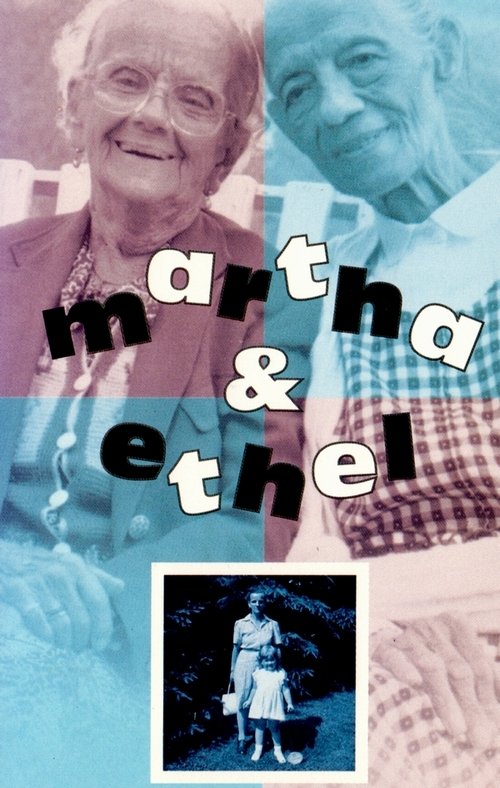
1994
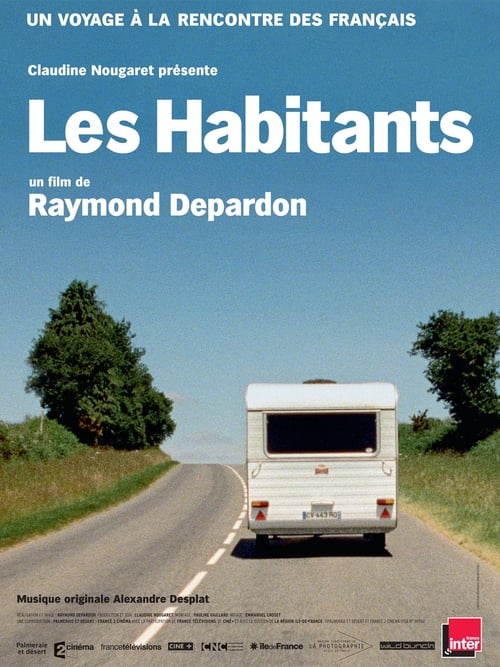
2016
1985
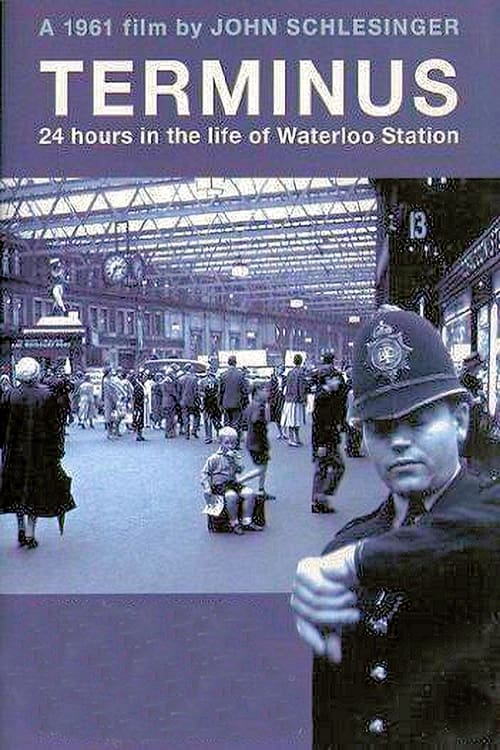
1961

1983
1994
No reviews yet. Be the first to share your thoughts on this movie!
Use the rating form above to leave a star rating and optional review.