Mouse-Taken Identity
1957
No user ratings available yet
Representation score: 0.5 out of 10
Representation Score
Minimal
1954
ApprovedDirector
Robert McKimson
Runtime
7 minutes
Average Rating
No ratings yetNew Showbiz Analysis
Bell Hoppy exemplifies mid-century slapstick animation, emphasizing physical comedy over social commentary. The narrative centers on the repetitive misfortunes of Sylvester and the natural behaviors of his animal characters. Since the film focuses on situational irony and traditional comedic structures, it does not engage with contemporary identity politics. Characters exist primarily within a framework of physical humor rather than a social context. Overall, the film reflects the era's typical animation clichés, without addressing multi-layered themes or diverse representation.
Category Breakdown
There are no identifiable LGBTQ+ characters or themes in the film. The story revolves around the predator-prey relationship between Sylvester and Hippety Hopper.
Gender roles are not explored deeply in the slapstick plot. The anthropomorphic characters do not challenge traditional gender hierarchies.
The cast is uniform, consisting solely of animal characters. There is no indication of racial or ethnic diversity in the animation.
The story adheres to traditional mid-century comedic clichés. It does not address systemic issues or challenge Western cultural norms.
Sylvester's lisp is used solely for comedic effect. It lacks complexity and does not explore the lived experiences of those with speech impediments.
Present on Screen
Limited or Absent
Official Synopsis
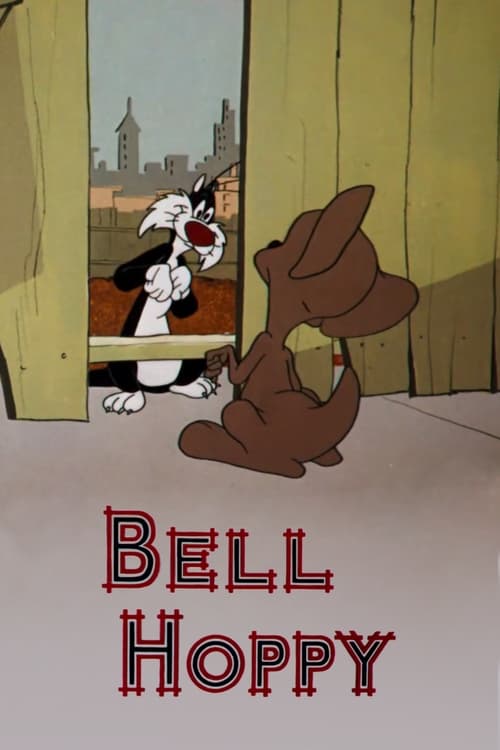
Sylvester has been "blackballed" out of membership to the Loyal Order of Alley Cats Mouse and Chowder Club again. To gain the long-coveted membership, the Grand Master offers to let the lisping puddy tat place a big bell around the neck of the largest mouse he can find, so the cats can pounce on the mouse when they hear the bell. Just as that's going on, Hippety Hopper escapes from a city zoo truck. It's not long before he encounters the hapless Sylvester. Each attempt to place the bell around Hippety's neck ends with Sylvester wearing the bell (and the cats pounding the puddy into submission). In the end, Sylvester finally does get the bell around Hippety's neck, but by the time the cats are ready to pounce on the baby kangaroo-mistaken-for-a-giant-mouse, Hippety has been recaptured. The oblivious cats end up jumping in front of the city zoo truck! Sylvester now gets to serve as Loyal Order's Grand Master.
1957
1948
1952
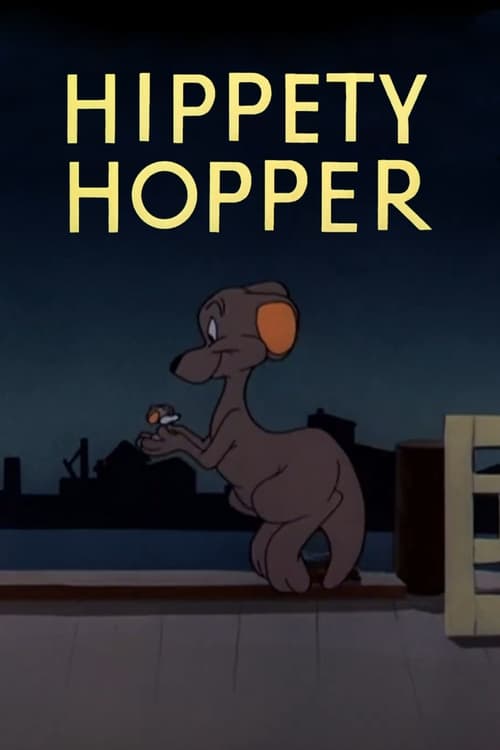
1949
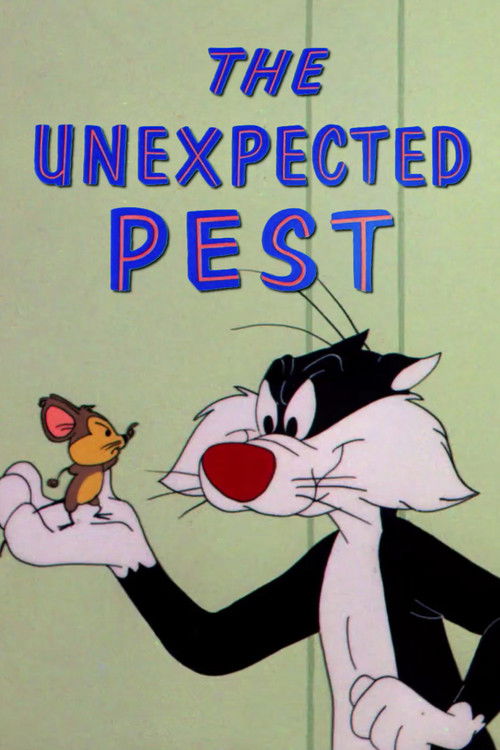
1956
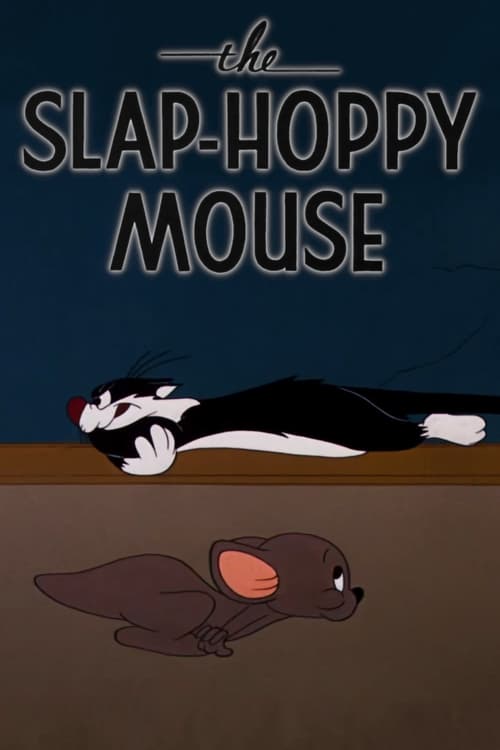
1956
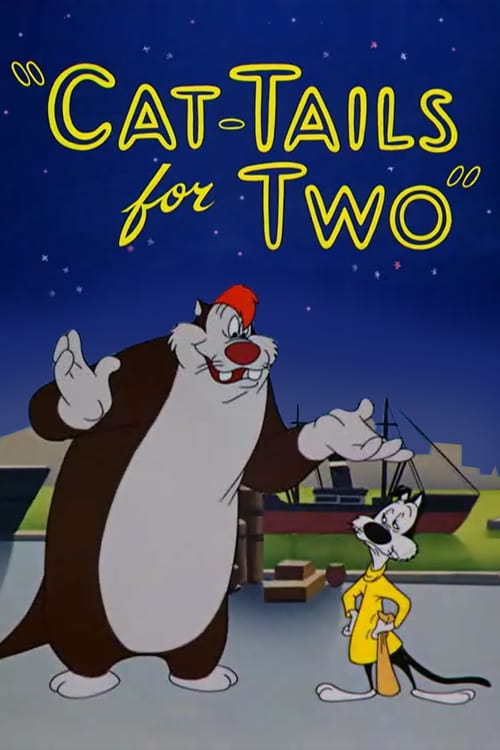
1953
1949
No reviews yet. Be the first to share your thoughts on this movie!
Use the rating form above to leave a star rating and optional review.