Pure Hearts
2006
No user ratings available yet
Diversity score: 4.9 out of 10
1978
RDirector
Reinhard Hauff
Runtime
108 minutes
Average Rating
No ratings yetSynopsis
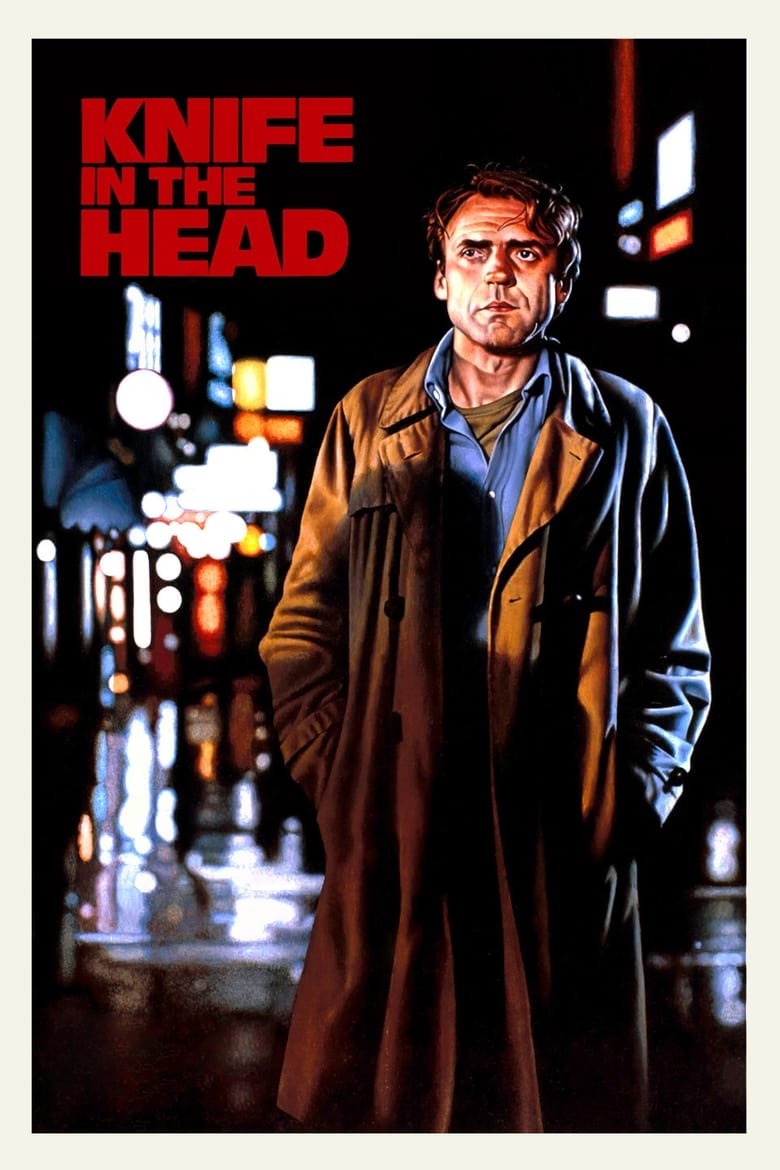
One night when seeking his estranged wife, Hoffmann goes to the youth center where she works. The police are there rounding up radicals who frequent the center - Hoffmann runs into the building and ends up being shot in the head. He awakens with brain trauma, partially paralyzed and unable to speak. The police accuse him of stabbing an officer; the radicals herald him as an innocent victim of police brutality. During his slow recovery at the hospital, Hoffmann must piece together his life and struggle to remember the events of that night.
Overall Score
Fair
Category Breakdown
LGBTQ+ Representation
The film focuses on the protagonist's internal psychological state and his relationship with his estranged wife. It lacks depictions of non-cisnormative identities or same-sex intimacy.
Gender Representation
The narrative centers on male alienation and psychological trauma. While the protagonist's wife acts as a catalyst, she functions more as a narrative device than an independent agent.
Racial & Ethnic Diversity
The cast is predominantly white and German, reflecting its specific historical context. The film maintains a homogeneous depiction of the West German urban environment.
Religious & Cultural Diversity
The film critiques traditional Western institutions by framing the police as an aggressive force. It presents a sophisticated portrayal of systemic friction and moral relativism.
Disability Representation
The protagonist's journey is defined by paralysis and aphasia. The film integrates these limitations into the core narrative to explore themes of agency and identity.
Strengths
Areas for Improvement
AI Analysis
Knife in the Head is a character study that prioritizes systemic critique over demographic variety. It succeeds by deconstructing institutional authority and providing a nuanced look at a victim of state violence. The film uses the protagonist's fractured memory to challenge the reliability of legal and social structures. However, the film remains limited by its narrow demographic focus. It adheres to the heteronormative and homogeneous social structures of 1970s West Germany, offering little representation for LGBTQ+ or ethnically diverse populations.
2006

1971
1961
1982
2004

1970
1968
1967
1982
2014

2013
2002
No reviews yet. Be the first to share your thoughts on this movie!
Use the rating form above to leave a star rating and optional review.