The Dog Days of Winter
2019
No user ratings available yet
Representation score: 3.3 out of 10
Representation Score
Good
2017
Director
Jean-Christophe Roger, Julien Chheng
Runtime
48 minutes
Average Rating
No ratings yetNew Showbiz Analysis
Ernest & Celestine's Winter replaces aggressive archetypes with a model of mutual aid. By subverting the predator-prey dynamic, the film fosters nuanced, interdependent relationships that feel modern and inclusive. The narrative avoids rigid social hierarchies, focusing on character-driven exploration and a gentle, fable-like lens. This approach offers a fresh perspective on companionship and survival. While the film adheres to a conventional fable format, it refrains from relying on traditional dominance structures, offering a new outlook on coexistence and thriving together.
Category Breakdown
The film highlights a strong, platonic friendship between Ernest and Célestine. Though it doesn't explicitly depict queer identities, it explores emotional bonds that go beyond typical social roles.
Célestine actively participates in both domestic and survival tasks, showing independence and strength. The film presents a balanced partnership where emotional intelligence and work are shared equally.
By using animal species as metaphors, the film challenges social hierarchies and emphasizes communal survival and coexistence over inherent differences.
The story focuses on communal care and simple living, avoiding material wealth or strict institutional rules. It highlights the subjective experience of seasons and finding joy amid hardships.
No specific physical or neurodivergent disabilities are identified. However, the themes of hibernation and vulnerability serve as metaphors for bodily fragility and navigating an indifferent world.
Present on Screen
Limited or Absent
Official Synopsis
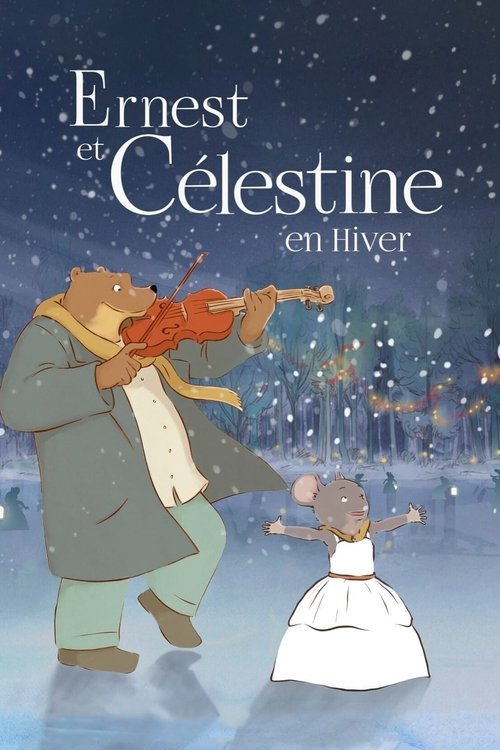
Ernest is a big bear from Charabie. He likes playing music and eating marmalade. He lives with Celestine, a little orphan mouse, and they share his house. Our two friends never get bored! When the first snowflakes start to fall they need to prepare for Ernest’s hibernation: they must take care of Bibi, their wild goose, who will fly away before the big winter, prepare cakes for Ernest and go to the mice’s ball to celebrate the first day of winter.
2019

2017
2017
2012
2021
2002
2018
2018
No reviews yet. Be the first to share your thoughts on this movie!
Use the rating form above to leave a star rating and optional review.