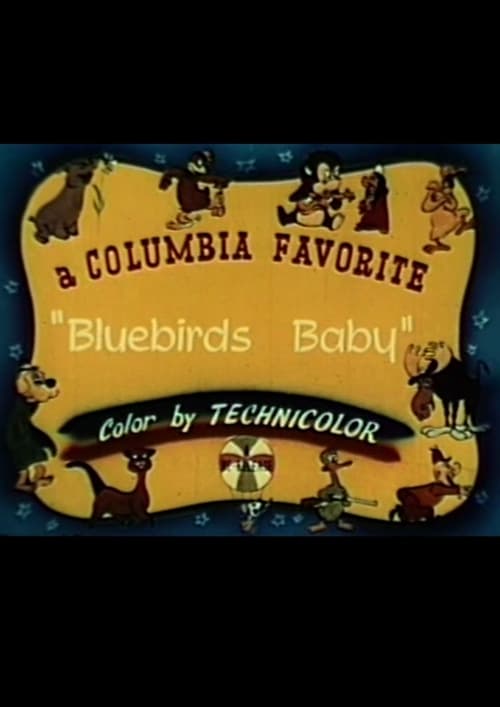
Bluebird's Baby
1938
No user ratings available yet
Representation score: 0.4 out of 10
No Poster Available
Representation Score
Limited
1936
ApprovedDirector
Ben Harrison
Runtime
8 minutes
Average Rating
No ratings yetNew Showbiz Analysis
Doctor Bluebird is a product of its era, functioning as a traditional, escapist short. The narrative relies on simple, restorative clichés to drive its plot forward. While the film addresses physical injury, it lacks the complexity needed to disrupt social hierarchies. It reinforces mid-century storytelling patterns centered on communal harmony and moral simplicity. Ultimately, the film provides a standard experience for 1936 animation, prioritizing escapism over intentional representation or social subversion.
Category Breakdown
The film does not depict any LGBTQ+ identities or same-sex relationships. It follows conventional, asexual character types typical of the 1930s.
The story centers on physical recovery through music without addressing gendered power dynamics. Women in the film do not have prominent roles or challenge traditional gender norms.
The cast includes anthropomorphic animals and a character named Scrappy. There is no indication of a multi-ethnic cast or any challenge to standard casting practices.
The plot follows a moralistic fable structure centered on communal support. It adheres to traditional values and does not deconstruct Western institutions or secularism.
A physical injury serves as the central plot point. However, the disability is treated as a temporary device resolved by whimsy rather than a lived experience.
Present on Screen
Limited or Absent
Official Synopsis
Scrappy hurt his leg and is sad because he can't go fishing. The bluebirds from Happyland realize this and put on a song and dance show, helping heal poor Scrappy's hurt leg and foot.
1938
1936
1939
1952
1947
1938
1953
1935
No reviews yet. Be the first to share your thoughts on this movie!
Use the rating form above to leave a star rating and optional review.