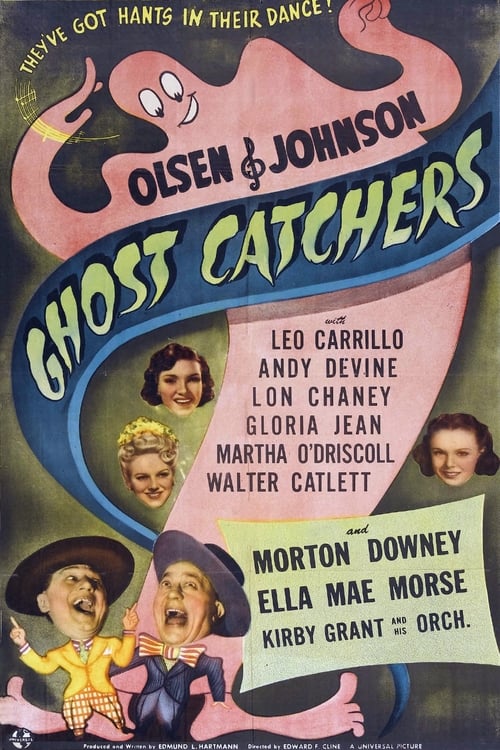
Ghost Catchers
1944
No user ratings available yet
Representation score: 1.4 out of 10
Representation Score
Minimal
1940
ApprovedDirector
David Butler
Runtime
97 minutes
Average Rating
No ratings yetNew Showbiz Analysis
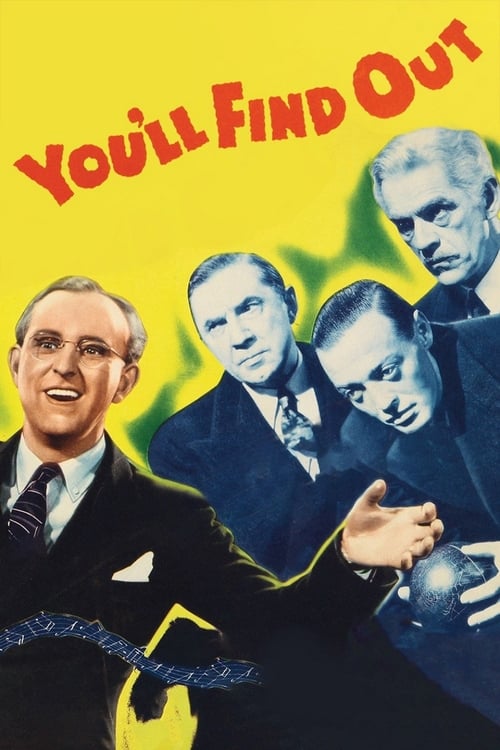
You'll Find Out operates as a typical product of its era, emphasizing traditional narrative structures and demographic norms. It serves as escapist entertainment that adheres to the established studio system hierarchies of 1940. The film lacks the intention to challenge social hierarchies. Instead, it stays within the conventional cultural frameworks of mainstream cinema, focusing on musical comedy and mystery clichés. Overall, the production reflects the homogeneous and straight-centered standards of the time, offering little in the way of diverse representation or social subversion.
Category Breakdown
The film does not include any representation of LGBTQ+ identities or non-assuming gender matches what was assigned at birth gender expressions. It follows traditional romantic storylines typical of 1940s studio comedies.
Although a female heiress is central to the plot, she is portrayed as someone who needs protection. The narrative likely reinforces traditional gender roles and the damsel-in-distress cliché.
The casting reflects the homogeneous demographics of 1940s Hollywood. There is no indication of significant non-white involvement in the main cast.
The story focuses on a high-society birthday party and a musical band, upholding conventional Western social structures and morality without critique.
There is no evidence of characters with visible or invisible disabilities in the narrative.
Present on Screen
Limited or Absent
Official Synopsis
The manager of Kay Kyser’s band books them for a birthday party bash for an heiress at a spooky mansion, where sinister forces try to kill her.
1944
1948
1944
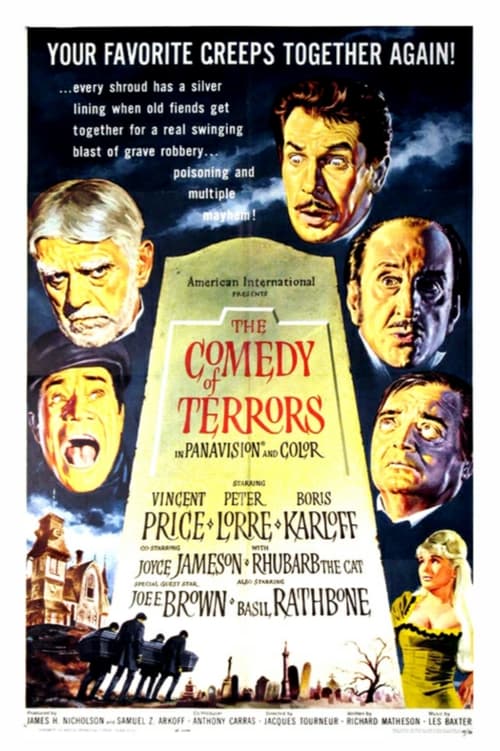
1964
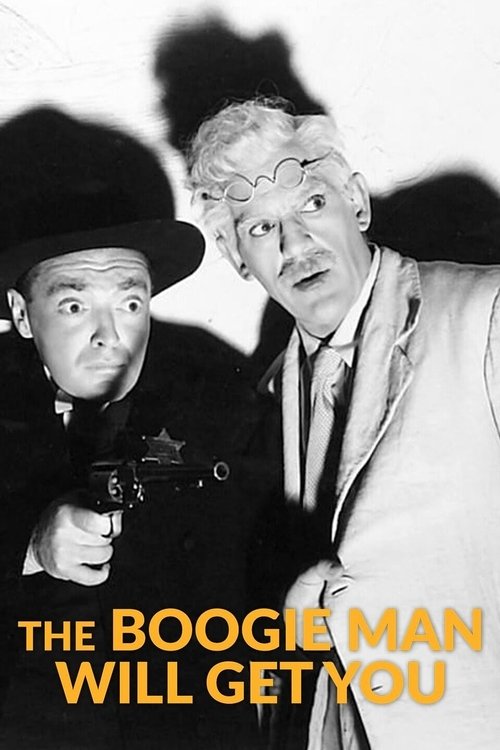
1942
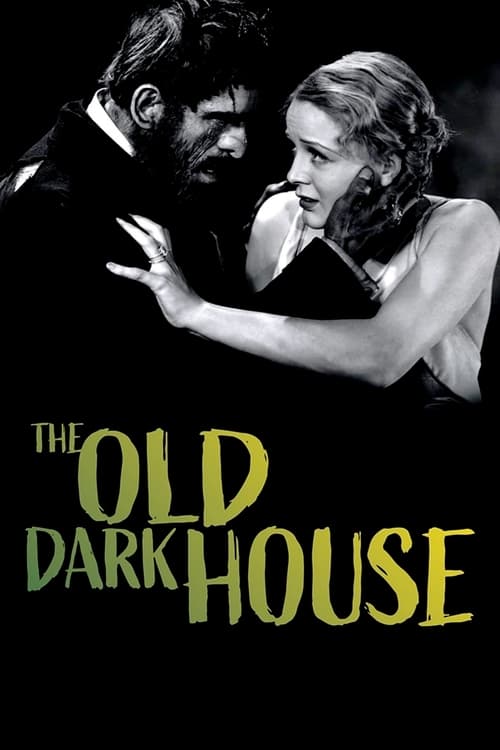
1932
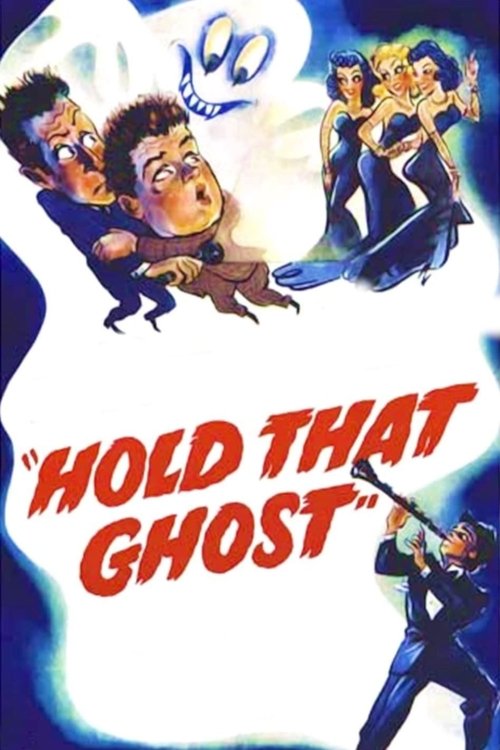
1941
1921
No reviews yet. Be the first to share your thoughts on this movie!
Use the rating form above to leave a star rating and optional review.