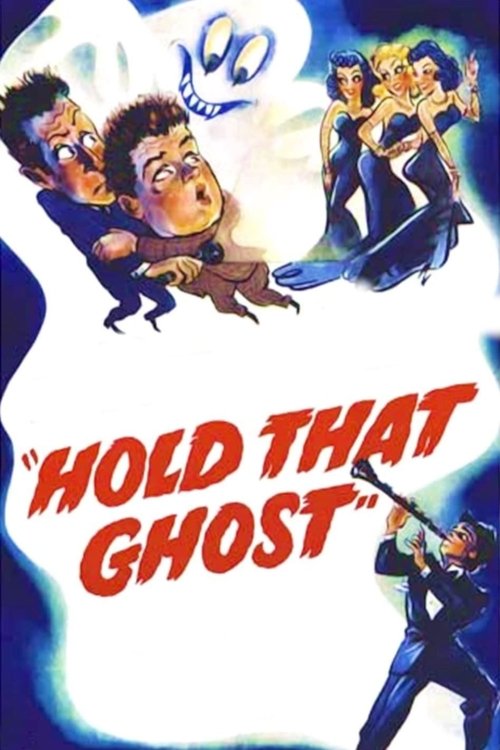
Hold That Ghost
1941
No user ratings available yet
Representation score: 2.0 out of 10
Representation Score
Limited
1942
NRDirector
Lew Landers
Runtime
67 minutes
Average Rating
No ratings yetNew Showbiz Analysis
The film is a genre-driven screwball comedy that largely adheres to the social and racial norms of its era. While it offers a slight departure from tradition through its female protagonist, it lacks intentionality in challenging broader social hierarchies. Representation is limited by the historical context of 1942 production. The narrative focuses on Western-centric themes and traditional domestic conflicts rather than diverse perspectives. Ultimately, the film functions as a standard genre piece. It provides minor disruptions to domestic clichés but fails to engage with meaningful racial, cultural, or disability representation.
Category Breakdown
The film does not include any LGBTQ+ characters or narratives. The story revolves around a divorced woman and her ex-husband, sticking to the traditional family structures of the 1940s.
Winnie Layden shows some women's ability to drive the story by trying to run a hotel. However, the story is mainly driven by male scientists and their skeptical views.
The casting reflects the homogeneity of 1942 Hollywood. There are no non-white actors or engagement with racial diversity.
The story uses mad scientist clichés and wartime scientific themes. It follows the conventional morality and social structures of the early 1940s.
Professor Billings embodies the eccentric genius archetype through his electrical experiments. There are no characters with disabilities portrayed with nuanced ability to act.
Present on Screen
Limited or Absent
Official Synopsis
A young divorcee tries to convert a historic house into a hotel despite its oddball inhabitants and dead bodies in the cellar.
1941
1964
1941
1966
1940
1948

1946
1966
No reviews yet. Be the first to share your thoughts on this movie!
Use the rating form above to leave a star rating and optional review.