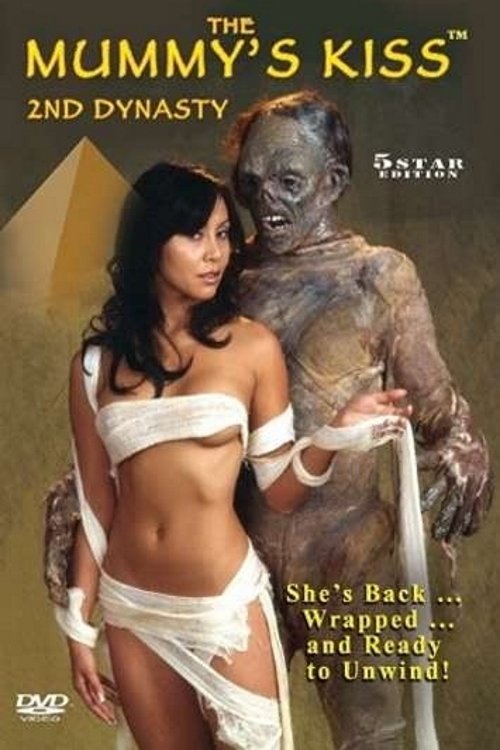
The Mummy's Kiss: 2nd Dynasty
2006
No user ratings available yet
Representation score: 2.6 out of 10
Representation Score
Limited
2008
Not RatedDirector
Donald F. Glut
Runtime
81 minutes
Average Rating
No ratings yetNew Showbiz Analysis
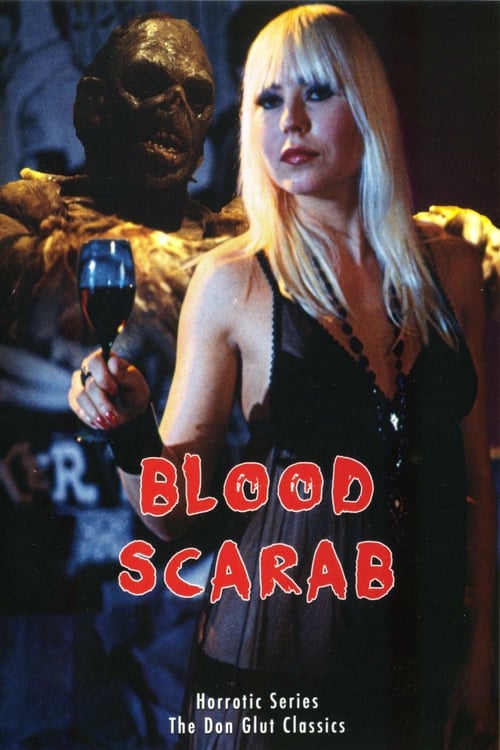
Blood Scarab operates as a conventional genre sequel that prioritizes mythological continuity over social subversion. The narrative structure relies heavily on established horror clichés, particularly the blend of European vampiric lore and Egyptian mysticism. While the film features a central female protagonist in Countess Elizabeth Bathory, her role is framed through traditional predator archetypes. The incorporation of Egyptian deities and mummies serves the supernatural plot rather than providing a deeper exploration of non-Western identities. Ultimately, the film functions as a standard exploitation piece. It lacks the depth or progressive narrative intent needed to challenge traditional social hierarchies or represent diverse lived experiences.
Category Breakdown
The film does not include any LGBTQ+ characters or narratives. The plot revolves around a blood pact and supernatural curses, sticking to a traditional horror framework without any queer undertones.
Countess Elizabeth Bathory is a central female protagonist who plays a significant role in driving the story. However, her character follows the established 'femme fatale' or supernatural predator archetype.
The story combines European vampirism with Egyptian mythology. These elements serve as genre devices rather than offering a nuanced exploration of racial or ethnic identity.
The narrative relies on ancient curses and supernatural morality. It leans into traditional Western horror clichés rather than challenging Western institutional norms or secular themes.
There is no mention of characters with visible or invisible disabilities, neurodivergence, or chronic illnesses within the narrative.
Present on Screen
Limited or Absent
Official Synopsis
To exist in daylight, Countess Elizabeth Bathory -- the infamous Blood Countess and widow of legendary vampire Count Dracula -- makes a blood pact with an Egyptian goddess involving three lovely victims and a living Mummy. A centuries-old craving collides with an ancient curse in this horrific climax to Frontline Entertainment's Countess Dracula and Mummy's Kiss movie series!
2006

1973
2003
1970

1973
2005
1975
1957
No reviews yet. Be the first to share your thoughts on this movie!
Use the rating form above to leave a star rating and optional review.