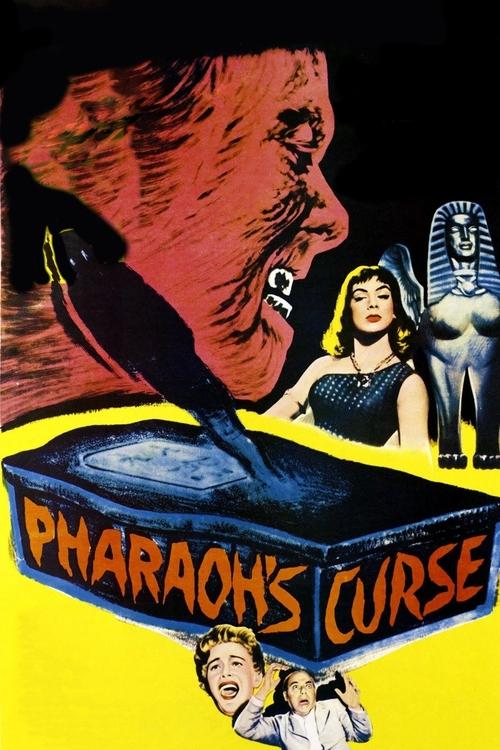
Pharaoh's Curse
1957
No user ratings available yet
Representation score: 1.7 out of 10
Representation Score
Minimal
1966
UnratedDirector
William Grefé
Runtime
87 minutes
Average Rating
No ratings yetNew Showbiz Analysis
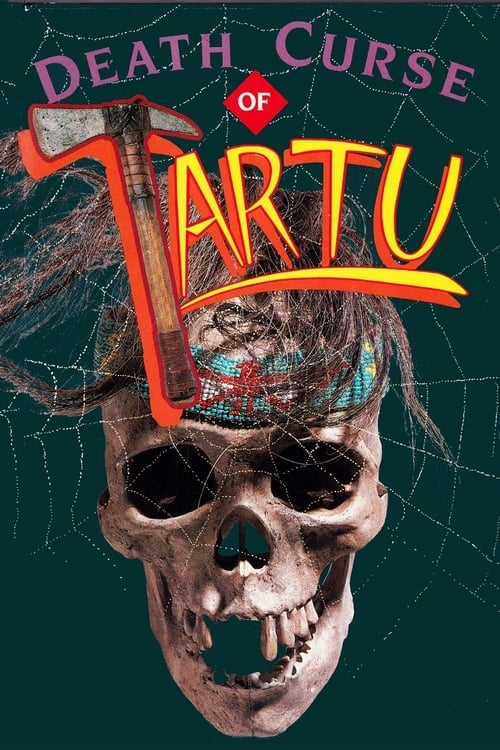
Death Curse of Tartu is a product of the 1960s exploitation circuit, prioritizing genre thrills over social complexity. The film relies heavily on established archetypes that reinforce the status quo of its era. Representation is limited by a narrative structure that centers on a white protagonist group encountering a 'primitive' curse. This creates a clear divide between Western explorers and indigenous mysticism, leaning into colonialist clichés. Ultimately, the film functions as a traditional horror piece. It uses cultural and ethnic elements as plot devices for tension rather than as opportunities for meaningful or progressive character development.
Category Breakdown
The film does not include any LGBTQ+ characters or non-straight identities. It follows the traditional social structures typical of 1960s exploitation cinema.
Female characters likely serve as secondary figures or victims within the horror framework. The narrative seems to rely on traditional mid-century gender roles.
Indigenous characters are portrayed as mystical or antagonistic forces through a lens of 'othering.' This reliance on folkloric clichés lacks nuanced character depth.
The story centers on Western scientific pursuits clashing with indigenous mysticism. This setup reinforces a colonialist perspective rather than offering moral relativism.
There is no mention of characters with visible or invisible disabilities in the narrative.
Present on Screen
Limited or Absent
Official Synopsis
A group of student archaeologists venture into the Florida Everglades to look for fossils, but come across an area cursed by a Native American witch doctor.
1957
1960
1957
1964
1972
1960
1959

1988
No reviews yet. Be the first to share your thoughts on this movie!
Use the rating form above to leave a star rating and optional review.