Pasteur
1922
No user ratings available yet
Representation score: 1.5 out of 10
Representation Score
Fair
1956
Director
Georges Franju
Runtime
14 minutes
Average Rating
No ratings yetNew Showbiz Analysis
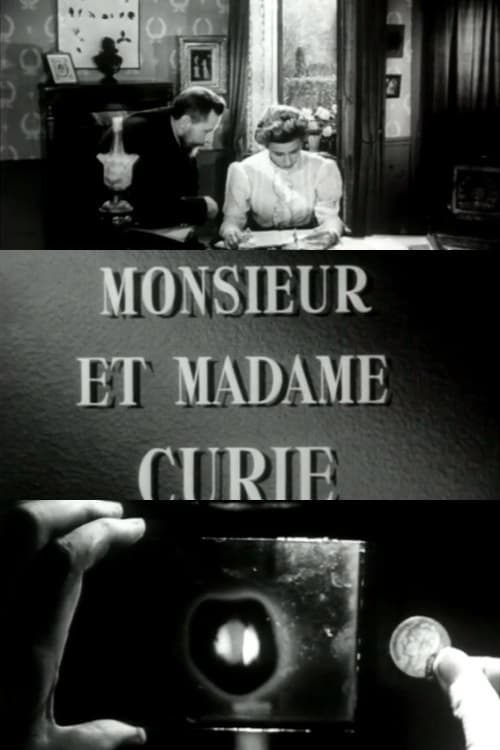
Georges Franju’s biographical study succeeds by challenging traditional gender roles. By portraying Marie Curie as an independent thinker rather than a supporting figure, the film highlights her struggles against scientific barriers. However, the film is constrained by the demographic homogeneity of its historical setting. It lacks racial and LGBTQ+ diversity, reflecting the era’s social structures and the academic environment of the French Third Republic. Ultimately, the work is a sophisticated character study. It prioritizes deep intellectual portrayal over broad social inclusion, focusing on the personal costs of scientific advancement.
Category Breakdown
The film focuses solely on the historical partnership of Marie and Pierre Curie. It adheres to the conventions of the late 19th century without any queer undertones.
The narrative challenges mid-century expectations by highlighting Marie Curie’s intellectual independence. She is shown as a key driver of discovery and an equal partner to her husband.
The cast and setting are predominantly white, reflecting the historical context of the French Third Republic. The film does not actively seek to include diverse racial backgrounds.
The film follows a conventional Western biographical format. It emphasizes the importance of scientific progress and the personal sacrifices made to achieve it.
The story includes the physical toll of radiation exposure. These elements are presented as part of the biography rather than as characters with their own choices.
Present on Screen
Limited or Absent
Official Synopsis
The life and work of the pioneering scientists, told through the words of Marie Curie.
1922

2018

2016

2020
1997
2008
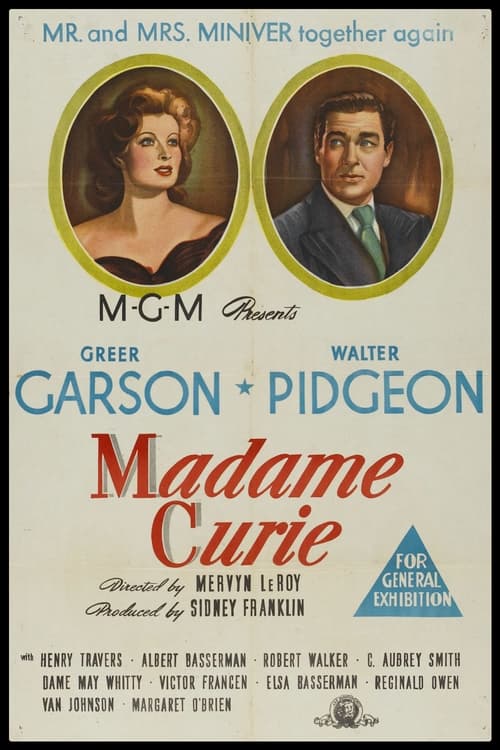
1943
2017
No reviews yet. Be the first to share your thoughts on this movie!
Use the rating form above to leave a star rating and optional review.