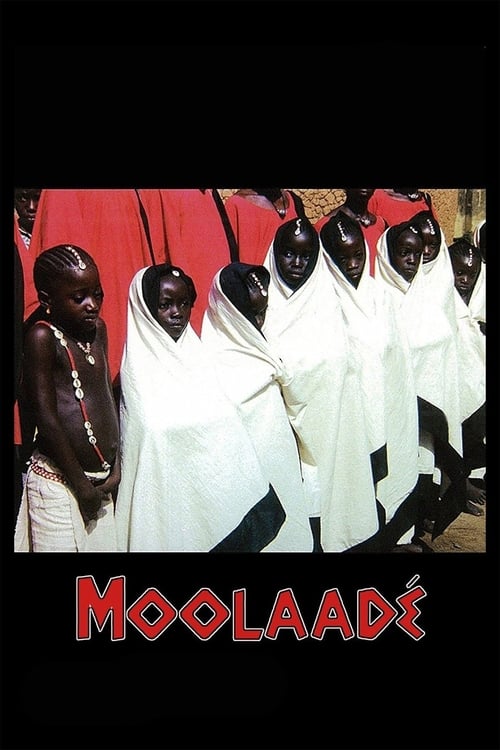
Moolaadé
2004
No user ratings available yet
Representation score: 5.0 out of 10
No Poster Available
Representation Score
Good
1989
Director
Cheick Oumar Sissoko
Runtime
107 minutes
Average Rating
No ratings yetNew Showbiz Analysis
Cheick Oumar Sissoko uses cinema to critique social structures, particularly focusing on the disruption of traditional power hierarchies. The film highlights two women who act as catalysts for change, challenging the rigid norms of their village society. By framing rebellion as a necessary step towards progress, the film shifts the focus from maintaining the status quo to promoting individual ability to act. While the film excels in gender and cultural authenticity, it lacks specific representation of LGBTQ+ identities or disabilities.
Category Breakdown
The film does not explicitly confirm any queer themes or non-straight relationships. However, there is potential for exploring social issues through its narrative of rebellion.
Female characters play key roles in driving the story, disrupting traditional village hierarchies and prioritizing their own will.
This Malian film provides an authentic, non-Western perspective centered around African social dynamics. It challenges the Western-centric viewpoint by focusing on local culture.
The film critiques restrictive communal norms, emphasizing individual freedom over maintaining traditional village institutions or religious practices.
There is no indication of the portrayal of physical or neurodivergent characters in the film's storyline.
Present on Screen
Limited or Absent
Official Synopsis
Two women rebel against the traditions of a village society.
2004
2019
2001
2000
1986
2017
2016

2005
No reviews yet. Be the first to share your thoughts on this movie!
Use the rating form above to leave a star rating and optional review.